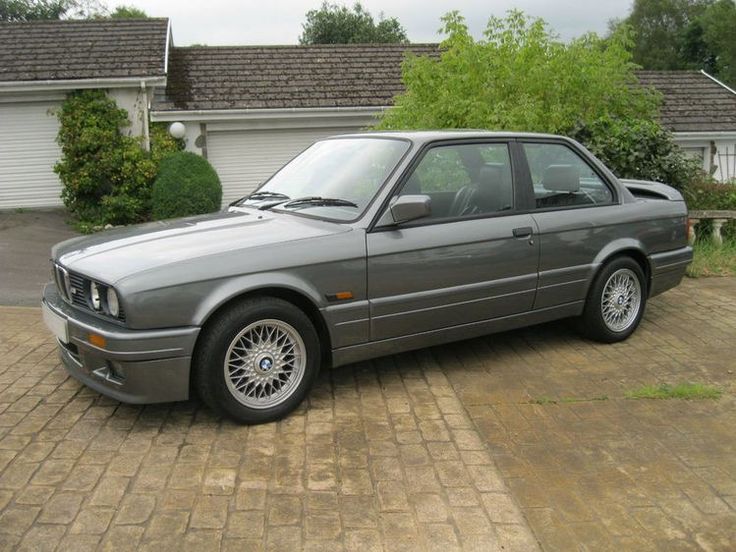
1984 BMW E30 318i Manual Coupe: The Ultimate Timeless Driving Machine
The 1984 BMW E30 318i manual coupe represents a pivotal moment in driving history, a time when BMW’s philosophy of creating a supremely balanced sports sedan was condensed into a two-door format. This specific year sits at a fascinating crossroads for enthusiasts, marking the transition from the earlier 2.0-liter M10 engine to the more modern M40 iteration, which brought with it improvements in efficiency and drivability. Owning one of these coupes is about more than just transportation; it is about engaging with a mechanical link to a past era when a driver’s involvement was paramount, and the tactile feedback through the unassisted steering wheel was a constant reminder of the road ahead.
The Heart of the Machine: The M10 Engine
Pulling the hood of a 1984 318i coupe reveals the soul of the vehicle: the naturally aspirated 1.8-liter M10 inline-four engine. Producing a modest 84 horsepower and 119 lb-ft of torque, these figures might seem underwhelming by modern standards, but the real magic lies in how the power is delivered. The M10 was not built for brute force; it was engineered for high-revving smoothness and reliability. The engine’s cast-iron block mated to an aluminum head allows it to rev freely, encouraging the driver to coax the instrument cluster toward its 6,500 rpm redline. This is not an engine for lazy highway cruising; it is a dance partner that rewards commitment and rewards it with a thrilling, linear surge of power that feels both honest and engaging.
Engineering Simplicity and Maintenance
Mechanics and DIY enthusiasts often hold the M10 in high regard for its straightforward design. Diagnosing an issue is rarely a shot in the dark, as problems typically manifest through sound and sensation rather than cryptic error codes. The top-mounted distributor, while a potential point of ignition failure, is easily accessible for tuning or replacement. Fuel delivery is handled by a reliable carburetor, a system that, while sensitive to modern low-grade fuel blends, is largely mechanical and thus less prone to complex electronic faults. This simplicity translates to lower long-term maintenance costs and a greater sense of connection between driver and machine, a core tenet of the original BMW driving experience.


The Manual Transmission Experience
Arguably the most defining characteristic of the 1984 318i coupe is its Getrag 242 five-speed manual transmission. This is not a mere option; it is the fundamental interface between the driver and the road. The shift gate is precise and tactile, requiring little effort to throw into the next gear. The clutch pedal, while demanding a firm initial bite, provides excellent feedback and smooth engagement. Driving a manual 318i is an exercise in rhythm, requiring the driver to manage RPMs and gear selection to achieve the best performance. This constant physical interaction eliminates the passivity of modern drive-by-wire systems, making every journey an active participation.
- Close-ratio gearing for optimal acceleration
- Light, communicative steering (no power assist)
- Minimalist, analog interior with easy-to-read gauges
- Lightweight chassis for agile cornering
- Durable rear-wheel-drive layout
Design and Handling Dynamics
The E30 coupe’s design is a masterclass in functional aesthetics. The sweeping fenders, flat dashboard, and pop-up headlights are not just stylistic choices but are integral to the car’s identity. The compact wheelbase and near 50/50 weight distribution create a handling package that is remarkably neutral and predictable. When pushed to the limit, the 318i exhibits oversteer in a way that feels playful rather than malicious, allowing for a controlled drift through a corner with a touch of opposite lock. This forgiving nature, combined with precise steering, makes the car approachable for novice drivers while offering endless refinement for experienced pilots.


Interior and Practicality
Step inside the snug cockpit, and you are greeted by an atmosphere of purposeful minimalism. The interior is a haven of driver-focused ergonomics, with the steering wheel, gear knob, and three-spoke rim positioned perfectly for direct access. While the rear seats are relegated to a narrow convenience for children, the trunk space is generous for a coupe, offering surprising utility for weekend getaways. The build quality is solid, with rattles being the primary complaint for cars of this vintage. Investing in a rubber engine mount replacement is often recommended to restore the pristine feel of the original driving dynamics, isolating the driver from excessive vibration while maintaining feedback.
The Collector’s Perspective and Modern Appeal
Today, the 1984 BMW E30 318i manual coupe is experiencing a significant resurgence in value, driven by a new generation of enthusiasts who view cars as experiences rather than mere appliances. Its affordability compared to its M20-powered siblings, like the 325i, makes it an excellent entry point into the world of vintage BMWs. While rust remains the arch-nemesis of any car of this era, finding a solid example is a rewarding hunt. The combination of lightweight construction, engaging mechanics, and historical significance as a precursor to the legendary E36 M3 gives the 318i coupe a unique and enduring appeal that continues to turn heads at car shows and on backroads alike.




Related Articles

1990 BMW E30 Coupe: The Ultimate Timeless Driving Machine Guide
The BMW E30 Coupé, particularly the 1990 model year, represents a significant moment in driving history. As the successor to the beloved E21 3-Series, the E30...

2025 BMW E46 3.0i Coupe: Ultimate Driving Machine Review & Guide
The BMW E46 3-series, specifically the 3.0 i Coupe model, represents a pinnacle of driving dynamics and engineering excellence from the early 2000s. This...

Classic Convertible BMW: Timeless Style, Ultimate Driving Machine
The classic convertible BMW represents the pinnacle of driving excitement, merging the brand’s legendary engineering with the pure, unfiltered joy of open-air...

For Sale: Manual BMW F10 M5 – Ultimate Driving Machine
The search for a manual BMW F10 M5 for sale often leads enthusiasts down a path of passionate debate and careful consideration. This specific model represents...

1984 BMW 318i 2 Door: Classic Driving Dynamics & Timeless Style
The 1984 BMW 318i stands as a pivotal entry in the lineage of the legendary 3 Series, representing the brand's unwavering commitment to the "Ultimate Driving...

1984 BMW 635 CSI E24: The Ultimate Driving Machine Icon
The BMW 635 CSI E24, particularly the 1984 model year, represents a pinnacle of touring car racing history and a significant chapter in the Bavarian brand's...