1st Gen Toyota Tundra Guide: Specs, Reviews, and Maintenance Tips
The first-generation Toyota Tundra, introduced for the 1999 model year, stands as a monumental achievement in American automotive history. It was the Japanese automaker's calculated and deliberate entry into the full-size pickup truck segment, a market long dominated by domestic behemoths like the Ford F-150 and Chevrolet Silverado. Born from the platform of the rugged Toyota Tacoma, the Tundra was engineered to deliver a blend of Toyota's legendary reliability, surprising capability, and a level of refinement that was uncommon in its class at the time. Its arrival signaled a shift, compelling the established American manufacturers to up their game in terms of power, technology, and overall quality control.
Design and Exterior Evolution
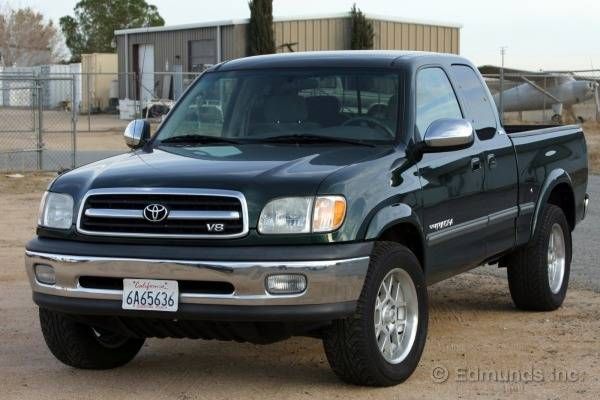
The first-gen Tundra (often referred to as the XK30/XK40) presented a bold and muscular design that was instantly recognizable. Its wide, imposing stance, large trapezoid grille, and distinctive headlamps gave it a presence that was both confident and capable. Unlike its smaller sibling, the Tacoma, the Tundra was designed from the ground up as a true full-size truck, resulting in a significantly longer bed and a cab that could comfortably accommodate three passengers in the front row. Over its production run from 1999 to 2006, the first generation saw a subtle mid-cycle refresh for the 2004 model year, which brought a revised front bumper, updated headlights, and a more modern interior dashboard to keep the truck looking fresh and competitive.
Available Body Styles and Configurations
Recognizing that buyers have diverse needs, Toyota offered the first-generation Tundra in several configurations to suit different lifestyles and requirements. The lineup typically included:


- Regular Cab: The most basic and traditionally styled option, featuring two full-size doors and a single row of seating, maximizing cargo bed space.
- Extended Cab: A popular compromise that added rear-quarter windows and small rear jump seats, providing limited access to rear passengers while retaining most of the bed utility.
- Crew Cab: The most spacious and family-friendly choice, with four full-size doors and a full rear bench, making it a true multi-purpose vehicle for work and play.
Performance, Capability, and Towing
Under the hood, the first-generation Tundra was engineered to be a serious workhorse, offering a range of powertrains that solidified its reputation for reliability and strength. The standard powertrain was a robust 3.4-liter V6 engine, producing respectable power for its class. However, the true performance anchor was the available 4.7-liter, all-aluminum V8 engine, a unit that became synonymous with Tundra prowess. This powerplant was mated to a smooth-shifting 5-speed automatic transmission. The Tundra's capability was further proven by its impressive towing capacity, with the V8-equipped models easily handling trailers, boats, and recreational vehicles well over 5,000 pounds, making it a dependable partner for weekend adventures and serious hauling tasks alike.
Payload Capacity and Bed Options
For those who need to transport heavy loads, the first-gen Tundra delivered with confidence. Depending on the specific configuration and bed length, the truck boasted a maximum payload capacity in the range of 1,500 to over 1,700 pounds. This allowed it to haul everything from construction materials and heavy equipment to livestock and furniture with ease. The bed was available in multiple lengths, typically a standard 5.5-foot short bed and a more versatile 6.5-foot full bed, constructed from durable, high-strength steel designed to resist scratches, dents, and corrosion, ensuring longevity even in the most demanding conditions.


Interior Comfort and Technology
Stepping inside the first-generation Tundra, one would find an interior that was a significant step up from the work-focused cabs of its predecessors. While not overflowing with luxury, it was far more refined than many competitors. The cabin was designed with functionality and driver comfort in mind, featuring supportive bucket seats in the crew cab and bolstered seating in the extended cab. Quality materials, such as durable plastics and available leather seating surfaces on higher trims, contributed to a more pleasant driving experience. Instrumentation was clear and easy to read, with analog gauges flanking a central multi-information display that could provide vital data on fuel economy, tire pressure, and other vehicle diagnostics.
Key Features and Available Amenities
Depending on the trim level, buyers could enjoy a host of features that enhanced convenience and safety. Popular amenities included:
- Power windows and door locks
- Cruise control for highway confidence
- A premium AM/FM/CD audio system
- Keyless entry for quick access
- Air conditioning for climate control comfort
- Available leather-trimmed seating surfaces
- Anti-lock braking system (ABS) for improved safety
Reliability, Ownership Costs, and Legacy
One of the most enduring strengths of the first-generation Toyota Tundra lies in its reputation for reliability and low cost of ownership. Toyota's meticulous engineering and use of high-quality components meant that these trucks were built to last, often surpassing 200,000 miles with proper maintenance. This durability translated into strong long-term value, as first-gen Tundras command respectable resale values even today. For owners, the peace of mind that comes with a Toyota badge meant fewer unexpected trips to the repair shop and a truck that was ready for work or play at a moment's notice. Its combination of capability, comfort, and dependability has cemented the first-generation Tundra's status as a classic in the full-size pickup segment, with a loyal following among enthusiasts who appreciate its no-nonsense approach to truck ownership.




Related Articles

2005 Toyota Sienna Maintenance Tips: Essential Guide for Owners
The 2005 Toyota Sienna stands as a cornerstone of the minivan segment, representing a specific moment in automotive history where practicality met relative...

Toyota Corolla Cross Hybrid: The Ultimate Guide to Specs, Price & Reviews
The Toyota Corolla Cross Hybrid represents a significant evolution in the compact SUV segment, blending the Corolla's legendary reliability with the...

2018 Toyota Tundra Bolt Pattern: Complete Guide & Specs
Understanding the specifics of your vehicle's construction is fundamental for any owner, especially when it comes to critical components like the wheels. For...

Ultimate FJ40 Land Cruiser Toyota Guide: Specs, Off-Road Tips & Restoration
The FJ40 Land Cruiser represents the foundational era of Toyota's legendary off-road lineage, establishing a benchmark for durability and adventure that...

Blue Toyota Aygo: Complete Guide to Specs, Price & Reviews
The blue Toyota Aygo represents a compelling segment of the urban mobility market, offering a blend of practicality, efficiency, and distinctive style. This...

Clean Toyota Sera: Ultimate Maintenance Guide & Restoration Tips
The Toyota Sera represents a fascinating niche within the automotive world, often described as a sophisticated blend of coupe, hatchback, and roadster. For...