2003 BMW X3 Curb Weight: Exact Specs & Towing Capacity
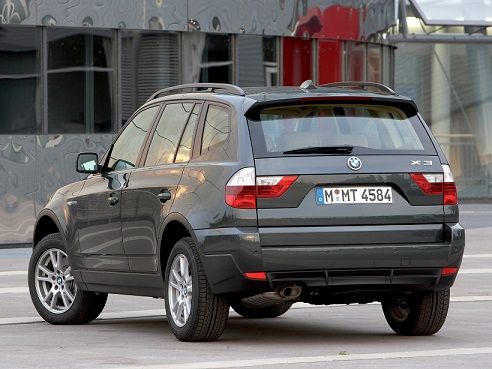
Understanding the 2003 BMW X3 curb weight is essential for anyone considering this pioneering Luxury SUV. As BMW's first foray into the Sports Activity Vehicle segment, the E83 X3 set the standard for blending sporty driving dynamics with practical utility. The specific weight of this model year impacts everything from fuel efficiency and braking distance to handling precision and overall performance, making it a critical specification for enthusiasts and practical buyers alike.
2003 BMW X3 Base Curb Weight Specifications
The manufacturer's listed curb weight for the 2003 BMW X3 varies depending on the specific engine and trim level equipped. The base model, often equipped with the 2.5L inline-five, typically sits in a specific range that provides a benchmark for the lineup. Heavier models, such as the X3 M5i featuring the more robust 3.0L inline-six, naturally carry additional mass due to the larger powertrain and enhanced components. Knowing the exact configuration is the first step in determining the precise weight of your vehicle.
Weight Distribution and Engineering Philosophy
BMW engineered the X3 with a near 50/50 weight distribution in mind, a core principle of their driving philosophy. This balance is crucial for the SUV's renowned handling characteristics, allowing it to corner with a level of stability and poise that defies its size. The placement of the engine, transmission, and the positioning of the driver and passengers all contribute to this dynamic balance, ensuring the weight serves the vehicle's sporty aspirations rather than hindering them.


Factors Influencing the 2003 X3's Curb Weight
Several key components contribute to the final curb weight figure of the 2003 BMW X3. The choice of engine is the most significant variable, with the 2.5L five-cylinder being lighter than the 3.0L inline-six. Furthermore, the inclusion of optional equipment such as the Premium Package, which added leather upholstery, premium audio, and advanced electronics, added incremental pounds. Even the type of glass used in the panoramic moonroof and the construction of the all-season tires can subtly influence the total weight.
| Specification | 2.5i (Base) | 3.0i (M5i) |
|---|---|---|
| Engine | 2.5L I5 | 3.0L I6 |
| Approx. Curb Weight | ~3,900 lbs (1,770 kg) | ~4,100 lbs (1,860 kg) |
| Drive | RWD / xDrive | xDrive |
How Drivetrain Choices Add Mass
The transition from rear-wheel drive (RWD) to the available intelligent all-wheel drive (xDrive) system adds complexity and weight. The xDrive system incorporates an electronically controlled multi-plate clutch and additional drive shafts, which contribute to the overall mass of the 3.0i models. This added weight is a trade-off for the superior traction and confidence-inspiring grip provided by the all-weather capability, a key selling point for the X3.


When comparing the 2003 BMW X3 curb weight to its competitors, it sits within a competitive and class-defining range. The blend of performance, luxury, and usability meant that the X3 was never just about being lightweight; it was about achieving the right balance of strength, comfort, and dynamics. This specific model year established a legacy that future X3 generations would build upon, making an understanding of its original specifications vital for historical context and practical ownership.




Related Articles

2003 BMW 745i Curb Weight: Key Specs & Towing Capacity
Understanding the 2003 BMW 745i curb weight is essential for appreciating the engineering and performance dynamics of this legendary luxury sedan. While the...

2021 Toyota Sienna Curb Weight: Find Exact Specs & towing Capacity
Understanding the curb weight of your 2021 Toyota Sienna is essential whether you are planning a long-distance road trip, navigating city streets, or simply...

2004 BMW Z4 Curb Weight: Exact Specs & Towing Capacity
Understanding the 2004 BMW Z4 curb weight is essential for anyone considering ownership or performance modification of this iconic roadster. The specific...

2015 BMW 7 Series Sedan Curb Weight: Specs & Towing Capacity
When discussing the engineering of the 2015 BMW 7 Series sedan, curb weight is a critical metric that influences everything from fuel efficiency to handling...

2002 BMW Z3 Curb Weight: Specs, Guide & Towing Capacity
When discussing the engineering and performance attributes of the early 2000s sports car landscape, the 2002 BMW Z3 holds a significant place. Understanding...

2007 BMW 335i Convertible Curb Weight: Specs & Towing Capacity
Understanding the 2007 BMW 335i convertible curb weight requires looking at the specific engineering that defines this model year. This particular vehicle...