2007 BMW X3 HP: Ultimate Power & Performance Guide
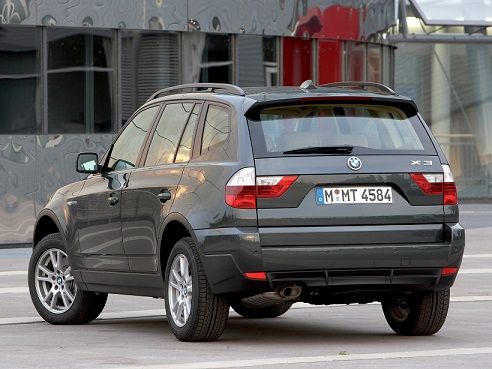
The 2007 BMW X3 represents a pivotal moment in the evolution of the luxury compact SUV, bridging the gap between the spirited driving dynamics of a Bavarian sedan and the practicality of higher-riding family transport. While not the absolute first of its kind, the E83 X3 solidified the segment's popularity with its refined blend of performance, comfort, and everyday usability. For enthusiasts and potential buyers today, understanding the specific characteristics, capabilities, and nuances of the 2007 model year is essential to appreciating its place in automotive history.
Performance and Driving Dynamics
Under the hood, the 2007 BMW X3 offered a selection of powertrains that catered to different priorities, with the available 3.0L inline-six engine being the heart of the sporty variants. This naturally aspirated unit, producing approximately 215 to 230 horsepower depending on the specific market and model trim, delivered a linear and engaging power curve. The true magic, however, lay in its sophisticated all-wheel-drive system, known as xDrive, which masterfully distributed torque between the front and rear wheels. This intelligent system ensured exceptional traction in various weather conditions while maintaining the near-perfect weight distribution and balanced handling synonymous with BMW's core engineering philosophy.
Refined Interior and Practical Luxury
Step inside the 2007 X3, and the emphasis on driver-centric ergonomics becomes immediately apparent. The cabin is a testament to BMW's commitment to luxury, featuring high-quality materials such as rich plastics, supple leather, and meticulously finished surfaces. The iDrive system, although in its first generation, provided intuitive control over the audio, navigation, and climate settings from a central console-mounted controller. While the rear seating area is best suited for occasional use due to its snugness, the trunk offers a respectable 13.9 cubic feet of cargo space, expandable by folding the rear seats, making it a genuinely practical choice for urban dwellers and weekend travelers alike.


Technology and Safety Features
For its time, the 2007 X3 was well-equipped with cutting-edge technology that enhanced both convenience and safety. Standard features included anti-lock braking systems (ABS), electronic stability control (ESC), and a comprehensive airbag suite to protect occupants. Optional advanced packages brought intelligent cruise control, which could maintain a set following distance, and a premium Harman Kardon or Bowers & Wilkins audio system that delivered concert-hall-quality sound. The availability of run-flat tires was another thoughtful addition, allowing the driver to continue safely for a limited distance and at a reduced speed in the event of a puncture.
Fuel Efficiency and Real-World Performance
Considering its performance-oriented chassis and capable powertrain, the 2007 BMW X3 managed its fuel resources with reasonable efficiency. Owners can expect an approximate range of 18 to 22 miles per gallon in the city and 24 to 28 miles per gallon on the highway, figures that align with its class competitors of the era. These estimates are influenced by driving style, road conditions, and the specific engine variant, but they provide a realistic expectation for daily commuting and longer road trips without excessive stops at the pump.


Design Language and Exterior Presence
The exterior design of the 2007 X3, styled by BMW's legendary designer Claus Luthe, strikes a harmonious balance between athleticism and elegance. Its low-drag coefficient of 0.32 not only contributed to better fuel economy but also enhanced high-speed stability. The iconic kidney grille, flanked by adaptive bi-xenon headlights, ensures the vehicle is instantly recognizable as a BMW. Available options like M Sport suspension and larger alloy wheels further allowed owners to tailor the aesthetic and handling characteristics to their personal taste.
Market Position and Legacy
Upon its introduction, the 2007 BMW X3 competed directly with the Audi Q5 and later the Mercedes-Benz GLK-Class, setting a benchmark for the premium compact SUV segment. Its success helped legitimize the idea that a driver’s car could also be a versatile family hauler without compromising performance. Today, a well-maintained 2007 X3 is a sought-after classic, valued for its robust construction, engaging driving experience, and the timeless design that has aged remarkably well in the modern automotive landscape.


Related Articles

Ultimate Guide to BMW Big Car Models: Power, Luxury, and Performance
When enthusiasts and families begin their search for a commanding presence on the road, the phrase "BMW big car" often emerges as a benchmark for luxury...

Ultimate F30 BMW Tuner Guide: Maximize Power & Performance
When enthusiasts talk about unlocking the true potential of the BMW F30, the conversation quickly turns to the F30 BMW tuner. This specific generation of the 3...

Ultimate G82 BMW M4 Engine Guide: Power, Performance, and Specs
The heart of the BMW M4 is its meticulously engineered g82 bmw m4 engine, a turbocharged inline-six that represents the pinnacle of modern performance...

Unleash BMW E90 335i Power: The Ultimate Performance Exhaust Guide
For the BMW E90 335i owner chasing a more visceral driving experience, the performance exhaust is arguably the most effective and immediate modification...

Ultimate Guide to BMW B57 Diesel: Power, Performance & Reliability
The BMW B57 engine represents a significant evolution in BMW's powertrain strategy, marking the brand's commitment to sophisticated diesel technology. This...

Ultimate BMW K1 Fairing Guide: Performance Parts & Installation Tips
The BMW K1 fairing represents a significant evolution in motorcycle aerodynamics, designed specifically for the high-performance K1 model introduced in the...