2008 BMW X3 Gas: Specs, Fuel Economy & Performance Guide
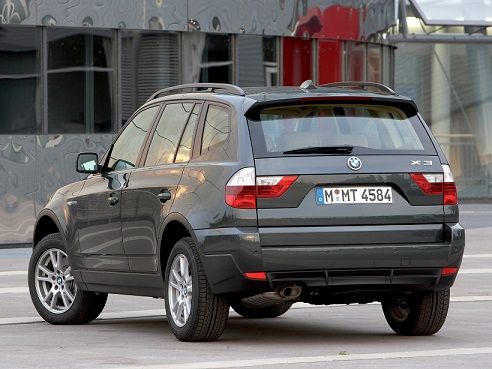
Owning a 2008 BMW X3 means embracing a specific era of Bavarian engineering that sits perfectly between the practicality of a crossover and the spirited handling BMW is famous for. This specific model year represents a mature point in the first-generation X3's lifecycle, offering a blend of performance, luxury, and daily usability that remains compelling in the used market. For buyers considering this durable SUV, understanding the nuances of the available 2008 BMW X3 gas powertrains is essential to finding the right match.
The Heart of the 2008 X3: Engine Options and Performance
The primary distinction between 2008 BMW X3 trims lies under the hood, where two distinct gas engine choices dictated the driving dynamics. Buyers had to decide between the efficient four-cylinder and the more powerful inline-six, each delivering the responsive, high-revving nature BMW is known for. The available powertrans defined not just speed but the fundamental character of the drive, making the selection process critical for enthusiasts.
3.0L Inline-Six: The Performance Benchmark
At the top of the lineup sat the 3.0L inline-six gasoline engine, producing 260 horsepower and 215 lb-ft of torque. This unit provided a linear surge of power that made passing effortless and kept the engine note crisp and engaging at high RPMs. While fuel economy was not its strongest suit, this powertrain delivered the authentic BMW driving experience that fans of the brand sought in the X3.


2.5L Inline-Four: The Efficient Compromise
For those prioritizing efficiency without completely abandoning the BMW driving dynamics, the 2.5L inline-four was the ideal choice. Generating 177 horsepower and 177 lb-ft of torque, this engine offered smoother daily commuting and better MPG, particularly in urban environments. It proved that you could own a BMW badge and still maintain a relatively practical approach to fuel consumption.
Fuel Economy and Real-World Driving
Fuel economy for the 2008 BMW X3 gas models varies significantly based on engine selection, transmission type, and driving habits. The four-cylinder variant typically delivered a more tolerable figure in the low 20s MPG combined, while the thirstier six-cylinder usually resided in the mid-teens. It is important to note that these are estimates, and actual results can fluctuate based on maintenance history and tire pressure.


| Engine | Horsepower | City MPG | Highway MPG |
|---|---|---|---|
| 2.5L Inline-Four | 177 hp | 16 | 22 |
| 3.0L Inline-Six | 260 hp | 15 | 20 |
Maintenance Considerations for the Gas X3
Preserving the performance of a 2008 BMW X3 gas model requires diligence, as these vehicles age. BMW's turbocharged and high-revving engines demand strict adherence to service intervals, particularly concerning oil changes. Using high-quality synthetic oil and replacing the cabin air filter regularly are simple procedures that significantly impact the longevity and smoothness of the inline-six powerplant.
Trim Levels and Feature Differentiation
Beyond the engine, the 2008 model year offered several trims—Base, xLine, and M Sport—each with distinct aesthetic and technological packages. The M Sport package, in particular, is highly sought after today, featuring larger wheels, a lowered suspension, and enhanced braking systems. These cosmetic and mechanical upgrades contribute to the overall value and desirability of the X3.
Why the 2008 X3 Remains Relevant
Despite being over 15 years old, the 2008 BMW X3 gas models retain a certain appeal due to their balanced blend of luxury, safety, and handling. The interior craftsmanship remains superior to many modern competitors, and the iDrive system, while dated, is user-friendly once mastered. For the driver who values engagement over blind utility, this X3 generation continues to be a solid investment.




Related Articles

2016 BMW 428i HP: Specs, Performance, & Fuel Economy Guide
Examining the 2016 BMW 428i horsepower figures reveals a machine perfectly calibrated for everyday luxury and engaging driving dynamics. This specific model...

2024 Toyota Prius Specs: The Ultimate Guide to Fuel Efficiency & Performance
The 2024 Toyota Prius represents the pinnacle of hybrid engineering, seamlessly blending practical daily-driver functionality with cutting-edge efficiency...

2024 Hyundai HB20: Complete Specs, Fuel Economy & Pricing Guide
The Hyundai HB20 represents a significant pillar in the Brazilian automotive market, serving as a direct connection between the brand’s global engineering...

2008 BMW E46: Ultimate Guide to Specs, Performance & Value
The 2008 BMW E46 represents a pivotal moment in the lineage of the iconic 3 Series, sitting comfortably between the revered E46 M3 and the technologically...

2024 BMW X5 E70 3.0D Specs: Performance, Fuel Economy & Features
The BMW X5 E70 3.0d stands as a significant chapter in the evolution of the Bavarian SUV, offering a blend of luxury, capability, and efficiency that defined...

2012 Toyota RAV4 Hybrid: The Ultimate Guide to Specs, Fuel Economy & Reliability
The 2012 Toyota RAV4 Hybrid represents a significant moment in the evolution of the compact crossover, merging the practicality of the RAV4 with the...