2008 BMW X3 Rear Differential: Troubleshooting, Repair & Replacement Guide
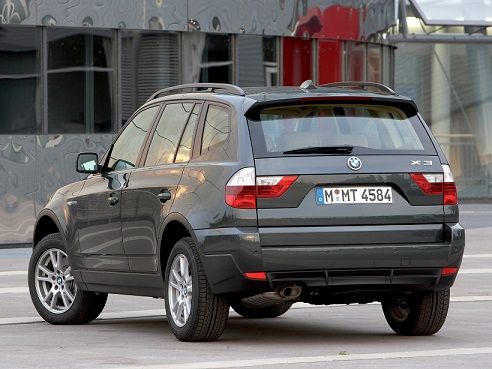
The 2008 BMW X3 represents a pivotal moment in the crossover SUV timeline, blending sporty dynamics with practical utility. At the heart of this driving experience lies a robust mechanical system, with the rear differential playing a critical role in power delivery and handling. Understanding the specifications, function, and common issues associated with the 2008 X3 rear differential is essential for owners and enthusiasts who value the Bavarian brand's commitment to precision.
Mechanical Function and Role
In the 2008 BMW xDrive system, the rear differential is more than just a component that splits engine power; it is the central hub for torque vectoring and traction management. This unit is specifically a planetary gear differential integrated into the rear axle assembly. Its primary function is to distribute power between the two rear wheels, allowing them to rotate at different speeds during cornering. This prevents tire scrub and maintains grip, which is fundamental to the X3's engaging driving dynamics, especially in models equipped with the optional performance differential.
Drivetrain Integration
The rear differential in the 2008 X3 is mated directly to the rear driveshaft and connects to the half-shafts that turn the wheels. It works in tandem with the transmission and the xDrive system's control module. Sensors monitor wheel speed and steering angle, allowing the system to detect understeer or oversteer. In specific situations, the system can actively manage torque distribution, sending more power to the outer rear wheel during a turn to enhance cornering stability and agility.


Specifications and Technical Details
While the exact gear ratios can vary slightly depending on the model year and market, the 2008 X3 rear differential is engineered to handle significant torque loads. The casing is typically a high-strength aluminum alloy, which provides durability while keeping weight down. The ring and pinion gear set is designed for quiet operation and efficient power transfer. Owners should be aware of the rear axle gear ratio, as this number impacts fuel economy, acceleration, and top speed.
| Specification | Details |
|---|---|
| Type | Pepilier Gear Differential (often with optional limited-slip) |
| Function | Distributes power to rear wheels; enables variable torque distribution via xDrive |
| Common Gear Ratio | Approx. 3.31:1 to 3.73:1 (Depends on engine and model) |
Common Issues and Maintenance
Like any complex mechanical component, the 2008 X3 rear differential requires attention over time. The most common issue reported by owners revolves around the rear differential fluid. BMW specifies a specific type of lubricant, and failing to adhere to the change interval can lead to premature wear of the internal gears and bearings. Neglecting this maintenance can result in noisy operation, such as whining or grinding, and eventually lead to differential failure.


Seal Leaks and Wear
Another point of concern is the rear pinion seal. Over the years, the seals can harden and crack, leading to oil leaks. A small amount of leakage might not immediately affect performance, but it allows the lubricant to drop to critical levels. If you notice a puddle of oily fluid beneath the car or a consistent drop in fluid level on the dipstick, addressing the seal replacement promptly is crucial to avoid catastrophic damage to the ring and pinion gears.
Performance and Upgrade Potential
For drivers looking to extract more performance from their 2008 X3, the rear differential is a prime area for modification. BMW offered an optional "M Sport Differential" on certain models, which features a higher final drive ratio and a limited-slip mechanism. This unit improves aggressive acceleration out of corners and is a popular upgrade for those seeking a sportier feel. Aftermarket solutions, such as clutch-style or torsen limited-slip differentials, are also available for enthusiasts aiming to enhance traction and cornering precision.
Ratio Considerations
Changing the rear gear ratio, often referred to as "re-gearing," is a common practice among BMW tuners. A shorter ratio (higher numerical value, such as 3.73:1) can improve acceleration and responsiveness from a standstill, which is beneficial for turbocharged models. However, this can negatively impact top-end fuel efficiency and increase engine rpm at cruising speeds. Any modification to the driveline should be done with a comprehensive understanding of the trade-offs involved.




Related Articles

2004 Toyota Tundra Differential: Repair, Replacement & Troubleshooting Guide
The 2004 Toyota Tundra differential is a critical powertrain component responsible for managing the speed difference between the left and right driving wheels...

2008 BMW 3 Series 328i Sedan Front Bumper: OEM-Style Replacement & Repair Guide
The 2008 BMW 3 Series 328i sedan 4d front bumper represents a critical intersection of design, engineering, and functionality for one of BMW’s most successful...

2006 Toyota Sienna AWD Rear Differential: Complete Guide & Repair
The 2006 Toyota Sienna AWD rear differential is a critical component within the vehicle's all-wheel-drive system, responsible for distributing power to the...

2000 BMW 740IL Rear Bumper: OEM-Style Replacement & Repair Guide
The 2000 BMW 740il rear bumper is more than just a piece of plastic; it is a critical component of the vehicle's structural integrity, safety profile, and...

2008 BMW 528xi Rear Differential: Repair, Replace, or Rebuild?
Driving a 2008 BMW 528xi offers a unique blend of luxury, performance, and all-weather capability, largely thanks to its intelligent all-wheel-drive system...

2016 Hyundai Santa Fe Differential Repair & Replacement Guide
The Hyundai Santa Fe 2016 represents a significant evolution for the brand’s mid-size SUV, offering a blend of refined efficiency, spacious comfort, and...