32 Style BMW E36: The Ultimate Guide to the Iconic Compact M3 Look
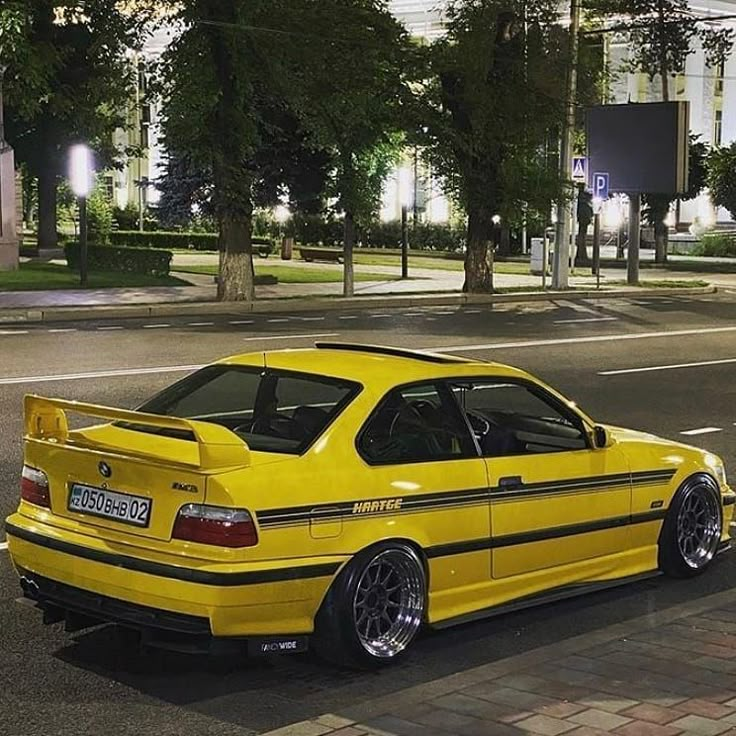
The 32 style BMW E36 represents a fascinating niche within the broader E36 platform, specifically referring to the high-performance variants produced from 1990 to 1999. While the E36 chassis is celebrated for its handling dynamics and driver-focused engineering, the "32" designation points directly to the heart of these machines: the legendary M50B30 engine. This specific inline-six unit, found in models like the E36 M3, delivered a perfect balance of naturally aspirated power and responsive high-rev performance that has cemented its status as a classic. Understanding the nuances of this generation is key for enthusiasts looking to appreciate or restore these iconic vehicles.
The Heart of the Machine: The M50B30 Engine
At the core of every 32 style BMW E36 lies the M50B30, a technological marvel of its time. This double overhead cam (DOHC) engine featured variable valve timing via the VANOS system, a rarity in the early 1990s, which optimized power across the rev range. Producing 215 horsepower in its standard European specification, the M50B30 was mated to a robust 5-speed manual transmission. The engineering focus was on high-rev performance and linear power delivery, characteristics that define the驾驶 experience of a true BMW. The integration of lightweight components like an aluminum intake manifold and a sump pan helped keep the rotating assembly light and responsive.
Key Engine Specifications
| Specification | Detail |
|---|---|
| Configuration | Inline-6, Naturally Aspirated |
| Displacement | 2,979 cc |
| Horsepower | 215 hp @ 6,000 rpm |
| Torque | 210 lb-ft @ 3,500 rpm |
| Valvetrain | DOHC, 4 valves per cylinder |
Design and Aerodynamics: Form Follows Function
Visually distinguishing the 32 style from other E36 trims are specific aesthetic cues that signal its performance pedigree. The front bumper features prominent, flared wheel arches and integrated fog lights, while the iconic kidney grille is typically finished in a body color with a subtle M emblem. The rear is characterized by a subtle lip spoiler and dual exhaust tips that hint at the performance lurking beneath. Inside, the driver is greeted by a sport-oriented cockpit featuring Recaro bucket seats, a three-spoke steering wheel wrapped in leather, and an array of M-specific gauges designed for easy reading at a glance. These design elements were not merely cosmetic; they were integral to the car’s high-performance identity.


Chassis Dynamics and Driving Dynamics
The E36 platform, and the 32 style specifically, is often cited as one of the best-handling BMWs ever produced. The chassis layout, featuring a near 50/50 weight distribution, provides exceptional balance and neutrality. The suspension setup, with MacPherson struts up front and a multi-link rear axle, offers a remarkable compromise between comfort and sharp, responsive handling. When pushed, the car communicates its limits clearly through the steering and chassis, inspiring driver confidence. The combination of the precise manual transmission and the responsive steering creates a connection to the road that feels both immediate and engaging, making every drive an event.
The Appeal of the E36 M3
Within the 32 style family, the E36 M3 stands as the pinnacle of the lineup. As BMW’s homologation special for touring car racing, it was built to be a legitimate track weapon that was also street-legal. The M3 took the core M50B30 engine and refined it to another level, often with higher rev limits and more aggressive tuning. Owning an E36 M3 is about more than just transportation; it's about joining a community of enthusiasts who value analog driving dynamics and timeless motorsport heritage. These cars have proven their durability over decades, with many examples still running strongly with proper maintenance. They offer a unique blend of usability, reliability, and thrilling performance that is hard to match in today's modern automotive landscape.


Maintenance and Ownership Considerations
Owning a 32 style BMW E36, particularly an M3, can be a rewarding experience, but it requires a commitment to proper care. While the M50 engine is generally robust, it is susceptible to specific issues common to age and high mileage. Potential buyers should be aware of items like the valve cover gasket, which can leak, and the rear main seal. Electrical gremlins, while not as prevalent as in earlier BMWs, can still appear. Sourcing parts is relatively easy due to the model's popularity, and the aftermarket support for upgrades is extensive. Regular maintenance using high-quality fluids and addressing minor issues promptly will ensure that this classic continues to deliver the engaging driving experience it was designed for.
Legacy and Modern Relevance
The legacy of the 32 style BMW E36 is immense, serving as a bridge between the analog purity of the past and the digital complexity of the present. In an era of turbocharged engines and automated transmissions, the raw, mechanical feel of an M50B30 is more special than ever. These cars have become highly sought-after by collectors and drivers who appreciate engineering excellence and driving fun. They offer an affordable entry point into the world of premium German performance cars without the demands of newer, more complex technology. For the passionate tinkerer and the weekend warrior alike, the 32 style E36 remains a benchmark for what a sports sedan should be.


Related Articles

BMW E30 Style 5: Ultimate Guide to Capturing the Classic Look
The BMW E30 represents a golden era of driving dynamics, and the pursuit of the perfect E30 style 5 setup captures the imagination of enthusiasts worldwide...

2024 Toyota Hatchback GR: The Ultimate Guide to Performance and Style
For owners and enthusiasts of Toyota's agile urban runabouts, the phrase "Toyota hatchback GR" instantly conjures a specific driving experience. This...

Ultimate BMW G8X Bumper Guide: Performance, Style & Fitment
For the discerning owner of a G80 or G82 M Series, the bmw g8x bumper is far more than a piece of plastic; it is the foundational element of the car's...

BMW M Series Grill Stripes: Ultimate Guide To Perfect Fit And Style
The BMW M Series grill stripe is more than just a cosmetic accessory; it is a defining statement of performance intent. For enthusiasts, these bold stripes...

BMW X5 E45 Drive: Ultimate Guide to Owning & Driving the Iconic SUV
The BMW X5 E45 represents a significant chapter in the evolution of the luxury SUV, marking the debut of BMW’s first-generation X5 model that laid the...

2017 Toyota Corolla Hatchback: The Ultimate Compact Car Guide
The Toyota Corolla has long been a symbol of reliability and practicality, and the 2017 model year continued this legacy with a specific focus on efficiency...