The Ultimate Best Tune for BMW M4 Coupe CSR2 Guide
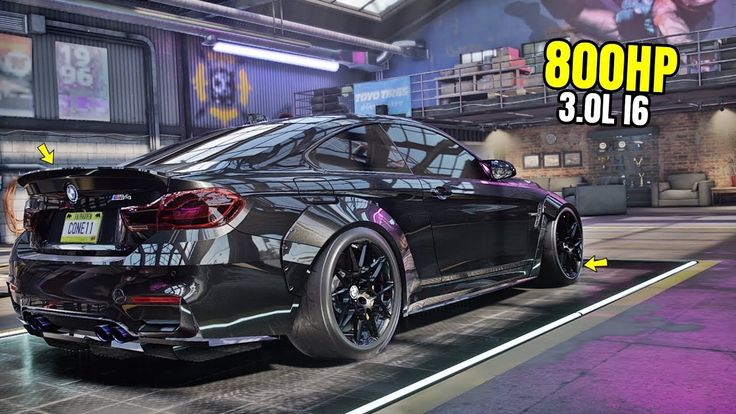
Getting the most out of your BMW M4 Coupe CSR2 requires a nuanced approach to tuning, as this digital icon carries the intense driving spirit of its real-world counterpart into the competitive realm of mobile racing. While the in-game representation captures the aggressive stance and powerful presence of the F82 M4, achieving peak performance demands more than just admiring the virtual carbon fiber; it necessitates a strategic calibration of its engineering to shave crucial seconds off lap times. This guide dissects the optimal setups, component choices, and driving techniques that transform the M4 Coupe CSR2 from a visually stunning toy into a relentless weapon on both circuit and street tracks.
Understanding the M4 Coupe CSR2's Core Dynamics
The foundation of any successful BMW M4 CSR2 tuning strategy lies in understanding its inherent virtual characteristics within the CSR2 framework. The car's performance index is built around a blend of raw power and handling dynamics that mimic the real model's balance between a fierce turbocharged engine and a sophisticated suspension. Unlike pure powerhouses, the M4 thrives on precision, making setup adjustments that enhance its cornering grip and stability absolutely critical. Players need to recognize that its all-wheel-drive system, while providing immense power, requires careful management to avoid understeer or oversteer when pushing the limits on demanding circuits.
Suspension and Damping: The Key to Cornering Confidence
One of the most impactful adjustments for the M4 Coupe is its suspension configuration. To harness its power effectively, focus on stiffening the suspension to minimize body roll during high-speed cornering. A lowered ride height is essential for improving aerodynamic grip and center of gravity, allowing the car to slice through corners with authority. Fine-tuning the damping settings, particularly on the anti-roll bars, helps the car maintain consistent tire contact with the track surface, translating power into forward motion rather than wheel spin. This setup creates a stable platform where the driver can confidently apply maximum throttle out of corners.


When adjusting these settings, prioritize the front and rear anti-roll bars to balance the car's rotation. An under-stiffened rear bar can induce oversteer, while an over-stiffened front bar can cause understeer. The ideal configuration often involves a medium-to-high front bar and a slightly softer rear bar, promoting a neutral balance that allows the driver to correct with subtle steering inputs. This balance is crucial for maintaining momentum through esses and high-speed chicanes, where the car's responsiveness is tested.
Tire and Gear Ratio Optimization for Maximum Grip and Acceleration
Tire selection plays a pivotal role in the M4's performance, acting as the literal grip between the car and the track. High-performance compound tires are non-negotiable for maximizing cornering speeds and braking efficiency. Combining these with an appropriate wheel setup ensures that the power delivery is transmitted effectively without sacrificing traction. Equally important is the gear ratio configuration; a shorter final drive ratio can enhance off-the-line acceleration, crucial for gaining positions at the start, while a well-balanced set of gear ratios ensures the engine stays within its optimal power band on straights and through corners.


| Component | Recommended Setting for Circuit | Recommended Setting for Sprint |
|---|---|---|
| Suspension Stiffness | High (Prioritize Cornering) | Medium-High (Balance) |
| Anti-Roll Bar (Front) | High | Medium |
| Anti-Roll Bar (Rear) | Medium | Medium |
| Tire Compound | Soft or Performance | Performance or Medium |
Mastering the Art of the Drift and Brake Tune
For players who favor a more aggressive, dynamic driving style, particularly on street tracks and circuits with tight hairpins, a drift-oriented tune can unlock the M4's playful side. This involves intentionally softening the suspension and adjusting the brake balance to encourage controlled oversteer. The goal is to facilitate smooth, fluid drifts that maintain speed through corners, turning challenging sections into opportunities for showcasing driving skill. However, this approach requires significant practice to manage the car's rotation and prevent spins, especially in wet conditions.
A complementary brake tune focuses on optimizing the brake bias and pressure to suit the specific demands of a track. For circuits with long, high-speed corners, increasing the brake bias towards the rear can help stabilize the car and reduce understeer. Conversely, tracks demanding rapid, late braking might benefit from a more balanced brake setup to ensure consistent performance and confidence when decelerating. The interplay between the suspension setup and brake tuning is critical for achieving a car that feels predictable and responsive in all situations.
The Driving Technique: Syncing Man with Machine
Ultimately, even the most meticulously crafted BMW M4 CSR2 setup is only as effective as the driver's ability to execute. Success with this vehicle demands a harmonious blend of throttle control, precise steering, and anticipatory braking. Drivers must learn to modulate the throttle smoothly to prevent wheelspin, especially when exiting tight corners where the car's eagerness to accelerate can break traction. Equally important is the initiation of a drift, which requires a delicate balance of steering lock and counter-steering to correct the car's attitude without losing excessive speed.


Adapting to the track layout is another crucial element of mastering the M4. On technical circuits with many slow-speed corners, the setup should prioritize mechanical grip and stability, whereas faster, flowing tracks may allow for a more aggressive setup that emphasizes top speed and oversteer. The ability to read the track and adjust driving lines accordingly separates a competent player from one who truly masters the BMW M4 Coupe CSR2, turning every race into a demonstration of skill and precision.




Related Articles

Ultimate Best Tune Setup for Toyota GR Supra CSR2 Guide
Getting the most out of your Toyota GR Supra CSR2 starts long before you hit the track. The foundation of any competitive run lies in a deliberate and...

Toyota GR Supra CSR2 Tune: Ultimate Setup Guide & Best Sounds
The Toyota GR Supra has always been a beacon for driving enthusiasts, and the quest for the perfect setup often leads owners to explore the world of...
CSR2 BMW M4 Coupe Stage 5 Tune: Ultimate Tuned Performance Guide
The CSR2 BMW M4 Coupe Stage 5 tune represents the absolute zenith of performance engineering for the F82 platform, transforming the already formidable German...

CSR2 Toyota GR Supra Best Tune: Top Setup Guide
For the Toyota Supra community, particularly those embracing the chaos of CSR2, the quest for the perfect setup is a relentless journey. The fourth-generation...

CSR2 Toyota GR Supra Tune Stage 5: Ultimate Power Guide
For the dedicated Toyota enthusiast, the CSR2 Toyota GR Supra tune stage 5 represents the absolute zenith of virtual performance refinement. This isn't just...

CSR2 BMW M2 G87 Coupe M Performance: Ultimate Tuning Guide & Secrets
The BMW M2 CS (G87) Coupe represents the pinnacle of the current generation M2, stripping away excess to deliver an uncompromising, track-focused driving...