Between Mercedes Benz and BMW: Which Luxury Car Wins?
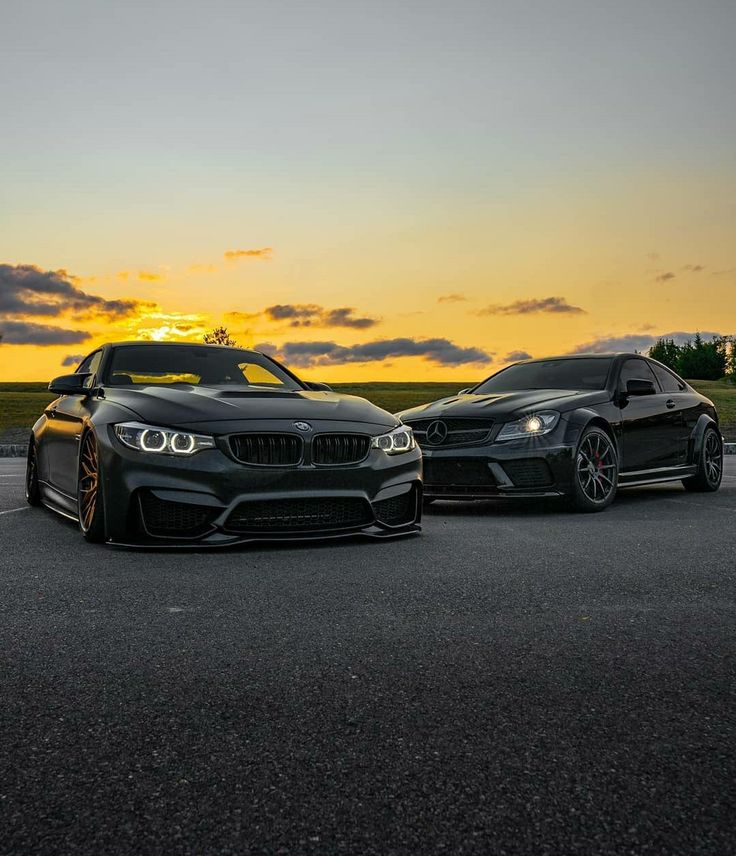
When comparing Mercedes-Benz and BMW, you are not just looking at two luxury brands; you are examining two distinct philosophies of engineering and design. Mercedes-Benz positions itself as the pinnacle of comfort, safety, and opulent grandeur, aiming to provide a serene sanctuary on wheels. BMW, conversely, anchors its identity in the mantra of "Ultimate Driving Machine," prioritizing razor-sharp handling, precise feedback, and a visceral connection between the driver and the road. This fundamental divergence shapes everything from the chassis tuning to the interior ambiance, making the choice between them less about which is better and more about which philosophy aligns with your personal automotive ethos.
To understand the modern rivalry, one must acknowledge the historical roots of each brand. Mercedes-Benz traces its lineage to the invention of the automobile itself, carrying a legacy of innovation such as the crumple zone and the safety cage, which established a benchmark for safety that the industry still follows. BMW, while also with aviation origins, forged its reputation in the motorcycles and small, nimble cars of the post-war era. This heritage is not merely a footnote; it is a living DNA that dictates the core behavior of their vehicles today, with Mercedes-Benz often focusing on shielding the passenger from the world and BMW focusing on immersing the driver within it.
The Driving Dynamics Divide
BMW's Athletic Precision
BMW has meticulously cultivated its image as the driver's car, and the feeling is evident the moment you turn the key. The steering is weighty and communicative, providing a tangible connection to the tarmac that reveals every nuance of the road surface. Their chassis setup leans toward stiffness, particularly in their signature M Sport suspensions, which minimizes body roll and keeps the car planted through aggressive cornering. This focus on handling creates a sense of poise and agility that makes even the largest BMW sedan feel remarkably quick and responsive, appealing to enthusiasts who view the drive itself as the primary source of enjoyment.


Mercedes-Benz's Effortless Comfort
In contrast, Mercedes-Benz typically prioritizes a smooth, isolating, and exceptionally comfortable ride. Their suspension is often tuned to absorb road imperfections with a floaty, almost liquid quality, transforming the cabin into a refuge from the chaos of the commute. The steering is usually lighter and more effortless, aided by advanced electric power steering that provides perfect feedback for parking and low-speed maneuvering without the heaviness found on a sports-focused rival. This engineering approach results in a driving experience that feels serene, stable, and controlled, particularly at speed, where the car inspires confidence through its planted, unwavering demeanor rather than its agility.
Design Language and Interior Atmosphere
The visual and tactile experience of being inside a Mercedes-Benz versus a BMW tells a story of different priorities. Mercedes-Benz interiors are designed to be sanctuaries, emphasizing high-quality materials, expansive leather surfaces, and a sense of spaciousness. The adoption of the Twin-Steer double-spoke steering wheel in their current flagship models is a powerful symbol of this design language, aiming to create a commanding, futuristic cockpit that feels both luxurious and technologically advanced. The ambient lighting and sweeping dashboards are crafted to impress onlookers and provide a relaxing environment for the passengers.


BMW interiors, while undeniably luxurious, have traditionally favored a more driver-centric and utilitarian aesthetic. The iDrive infotainment system, centered on a large central dial, is a testament to this, placing technology and functionality at the heart of the cabin rather than the steering wheel itself. While recent models have embraced more premium materials and larger touchscreens, the overall mood often remains more focused on the driver, with supportive sport seats and a cockpit-like arrangement that reinforces the feeling of being behind the helm of a precision instrument rather than a rolling luxury lounge.
The Performance Hierarchy: AMG vs. M
Both brands have performance subdivisions that represent the peak of their engineering capabilities, yet their approaches differ significantly. Mercedes-AMG is the high-performance division, and its cars are often described as theatrical and overwhelming. Think of the snarling exhaust notes, the aggressive body language, and the immense, turbocharged power that delivers a surge of acceleration almost violently. AMG vehicles are about spectacle and brute force, offering an experience that is loud, proud, and intensely thrilling.
BMW's M division, however, approaches performance with a different creed: purity. The BMW M cars are engineered to be the perfect balance of power, handling, and driver engagement. While they are undoubtedly fast, their genius lies in how that speed is delivered. The steering remains exceptionally sharp, the chassis balanced, and the powerband perfectly tuned for an exhilarating but manageable experience. An M car feels like the ultimate expression of a sports car, where the thrill comes just as much from threading through traffic with ballet-like precision as it does from hitting a top speed.


| Feature | Mercedes-Benz Philosophy | BMW Philosophy |
|---|---|---|
| Core Focus | Comfort, Safety, Luxury | Driving Dynamics, Agility, Precision |
| Ride Quality | Smooth, isolated, floaty | Firm, taut, connected |
| Steering Feel | Light, effortless, tech-focused | Weighty, communicative, sporty |
| Interior Ambiance | Expansive, serene, tech-forward | Driver-centric, functional, sporty |
| Performance Character | Powerful, theatrical, imposing |




Related Articles

BMW vs Mercedes-Benz: Which Luxury Brand Wins?
When comparing two of the most prestigious names in the automotive world, the question “is BMW better than Mercedes-Benz” rarely has a simple yes or no answer...

Mercedes Benz vs BMW: Which Luxury Car Wins?
Choosing between a Mercedes-Benz and a BMW is less about finding a definitive winner and more about identifying which philosophy aligns with your driving...
BMW 5 Series vs Mercedes-Benz E Class: Which Luxury Sedan Wins?
For buyers navigating the premium sedan segment, the comparison between the BMW 5 Series and the Mercedes-Benz E Class is almost unavoidable. These two...

Mercedes Benz GLE vs BMW X6 Specs: Which Luxury SUV Wins?
Choosing between the Mercedes-Benz GLE and the BMW X6 often comes down to personal philosophy. Both SUVs represent the pinnacle of luxury, performance, and...

Mercedes Benz GLE vs BMW X5: Which Luxury SUV Wins?
Choosing between the Mercedes-Benz GLE and the BMW X5 means deciding between two of the most accomplished luxury SUVs on the market. Both vehicles deliver...

2024 BMW X5 vs 2024 Mercedes-Benz GLE Specs: Which Luxury SUV Wins?
When comparing the 2024 BMW X5 and the 2024 Mercedes-Benz GLE Class, you are looking at two of the most sophisticated luxury SUVs on the market. Both vehicles...