BMW 2800 CS Alpina: The Ultimate Guide to the Rare German Performance Icon
The BMW 2800 CS Alpina represents a rare and fascinating convergence of Munich’s poised grand touring and the burgeoning expertise of Germany’s independent tuning houses. Emerging in the early 1960s, this model is far more than a badge-engineered curiosity; it is a meticulously developed performance iteration that showcased BMW’s engineering prowess alongside Alpina’s meticulous craftsmanship. For enthusiasts and historians alike, the 2800 CS Alpina stands as a significant chapter in the evolution of the Bavarian Sports Wagon, bridging the gap between comfortable coupe and a genuinely rapid mount.
The Genesis of a Collaboration
To understand the 2800 CS Alpina, one must first appreciate its foundation: the BMW 2800 CS. Introduced in 1961, this model was BMW’s flagship coupe, characterized by its restrained Italianate Giorgetto Giugiaro design and a smooth, confident ride derived from its 2.8-liter M316 engine. Alpina, then a young company founded by Burkard Bovensiepen, saw potential in this platform. Their philosophy centered on enhancing the driver’s experience through a balanced approach that prioritized drivability and long-distance comfort alongside increased performance. The result was a partnership that respected the car’s inherent elegance while injecting a new level of dynamism.
Engine Enhancements and Mechanical Upgrades
The heart of the transformation lies under the hood. Alpina’s engineers did not simply race to the highest displacement; they focused on improving volumetric efficiency and reliability. The standard 2.8-liter inline-six was bored and stroked to create a more powerful 2.9-liter unit. This modification, combined with a specialized Solex carburetion setup and a free-flowing exhaust system, coaxed output to a robust 170 horsepower. This increase, while seemingly modest by modern standards, provided a significant improvement in both top-end grunt and mid-range punch, allowing the coupe to sprint from 0-60 mph with newfound urgency. Crucially, the modifications were designed to maintain the effortless high-speed stability that made the original 2800 CS a classic.


Mechanical upgrades were equally comprehensive to handle the extra power and deliver a cohesive driving experience. The suspension setup was subtly enhanced, with stiffer springs and recalibrated shock absorbers improving body control without sacrificing the plush ride quality BMW was known for. Alongside this, an upgraded clutch and a more robust transmission were fitted to ensure the power reached the rear wheels efficiently and durably. The brakes, a critical component for a heavier coupe, were also reviewed to provide confident stopping power, giving the driver the assurance needed to explore the car’s expanded performance envelope.
A Distinctive Presence
Visually, the BMW 2800 CS Alpina is often distinguished by a subtle yet purposeful detail: a classic three-spoke Alpina steering wheel. This signature element immediately connects the cabin to the tuner’s heritage and serves as a tactile reminder of the car’s unique provenance. While the exterior largely retained the graceful lines of the BMW original, the presence of the Alpina script on the bootlid and the bespoke wheel centers signaled its special status. The overall impression was one of heightened purpose; the car looked more alert and engaged, ready for the open road without appearing overly aggressive.


| Specification | BMW 2800 CS (Standard) | BMW 2800 CS Alpina |
|---|---|---|
| Engine | 2.8L M316 I6 | 2.9L M316 I6 (Bored & Stroked) |
| Power Output | 160 hp | 170 hp |
| Key Feature | Italian Elegance | Enhanced Performance & Reliability |
| Target Driver | Comfortable Cruising | Dynamic Grand Touring |
The interior remained a sanctuary of quality, a testament to BMW’s and Alpina’s shared commitment to craftsmanship. Leather upholstery, wood trim, and a logical dashboard layout defined the cabin, ensuring that long journeys were as enjoyable as spirited drives. The Alpina treatment refined the experience rather than replacing it, infusing the serene environment with a newfound sense of purpose through the responsive steering and more immediate throttle response. It was a cocoon designed for both daily usability and spirited weekend outings.
Legacy and Collector Appeal
Today, the BMW 2800 CS Alpina is celebrated as a prime example of the “quiet achiever” archetype. It never sought the spotlight reserved for Ferrari or Porsche, yet its influence on the tuning world is undeniable. The car embodies an era where collaboration between manufacturers and tuners was driven by a passion for engineering excellence rather than commercial spectacle. For collectors, it represents a highly desirable and coherent package: a beautiful, functional, and significantly faster BMW with a documented history of careful modification. Its rarity and the success of the partnership ensure that well-preserved examples command significant respect and value in the classic car market.
Owning a BMW 2800 CS Alpina is to possess a tangible link to a golden age of automotive partnership. It offers the modern classic driver an experience that is both refined and engaging, a car that performs with a grace that feels timeless. It serves as a reminder that some of the most impactful automotive evolutions were not born in boardrooms, but in the dedicated workshops of artisans who understood that true performance is about harmony, not just horsepower. The legacy of the 2800 CS Alpina is a testament to the enduring appeal of a perfectly balanced grand tourer.


Related Articles
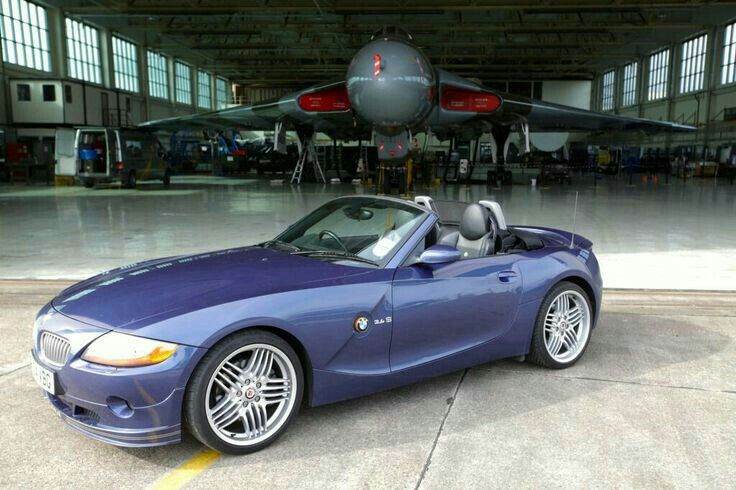
2009 BMW Z4 Alpina: The Ultimate Guide to the Rare Performance Icon
The 2009 BMW Z4 Alpina represents the pinnacle of the second-generation Z4 lineup, a model that often gets overshadowed by the flashier M models yet offers a...

2024 BMW 850 V12 Alpina: The Ultimate Guide to the Rare German Powerhouse
The BMW 850i V12 represents a moment where Bavarian engineering met unbridled luxury, creating a Grand Tourer that defined an era. While the standard 8-series...

BMW 325i E30 Hartge: Ultimate Tuned German Performance Guide
The BMW 325i E30 remains a benchmark of driving dynamics, a testament to engineering focused on balance and precision. Among the many influential iterations of...

2024 BMW E39 Alpina: The Ultimate Guide to the Legendary Performance Sedan
The e39 bmw alpina represents a pinnacle of touring car engineering, merging the raw reliability of a 5 Series platform with the meticulous hand-crafted...

Ultimate Guide to the BMW E46 M3: The Definitive Series 3 Performance Icon
The BMW E46 M3 represents the pinnacle of the Compact M car lineage, a model that has become a benchmark for engaging driving dynamics and a cultural icon in...

Ultimate BMW G30 Icon Guide: Sleek Design & Performance Secrets
The BMW G30 icon represents far more than a simple designation; it is the visual and mechanical signature of a modern touring sedan that redefined expectations...