BMW and Mercedes PFP: The Ultimate Luxury Profile Picture Showdown
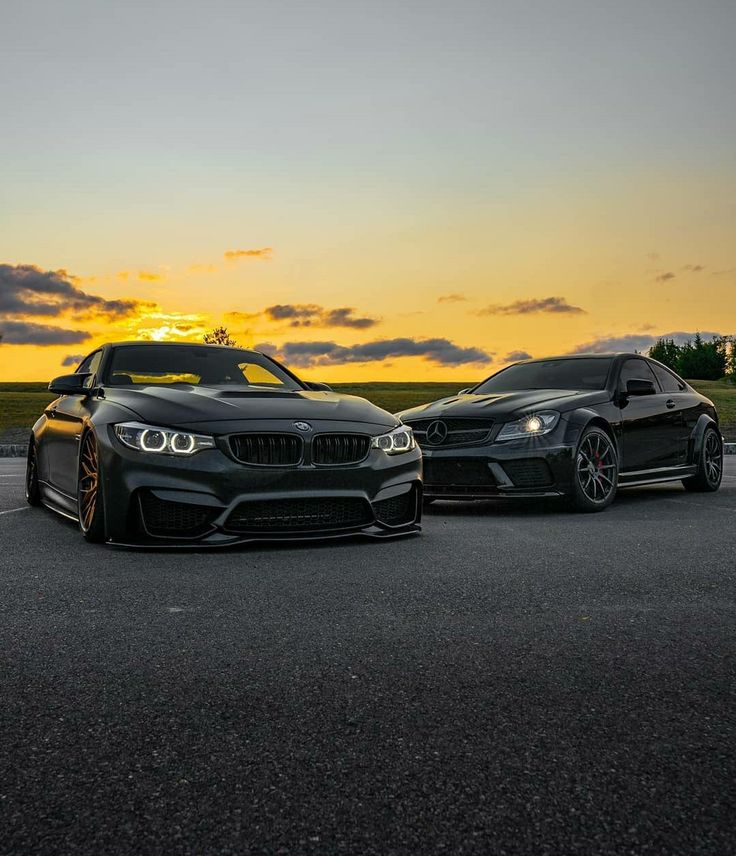
For many enthusiasts and prospective luxury car buyers, the conversation often centers on the two titans of the German engineering world: BMW and Mercedes-Benz. Comparing these brands, sometimes stylized as "bmw and mercedes pfp" in online communities, is less about declaring a winner and more about understanding distinct philosophies. Both offer compelling promises of performance, prestige, and precision, but they cater to subtly different drivers. Deciding which aligns with your identity and driving habits requires a deep dive beyond the badge.
The Heritage Divide: Performance vs. Comfort
The historical roots of each brand play a significant role in their modern-day identity, especially when searching for images or profiles related to "bmw and mercedes pfp". BMW's foundation was built on the "Ultimate Driving Machine" ethos, with a core focus on the internal combustion engine and rear-wheel-drive dynamics. This legacy ingrains a sense of agility, responsiveness, and participatory excitement into their DNA. Mercedes-Benz, conversely, pioneered the safety cage, crumple zones, and luxury comfort, prioritizing the well-being of the occupant and providing a serene, stable, and often more opulent experience. This fundamental difference shapes everything from the steering feel to the cabin atmosphere.
Engineering Philosophies Under the Hood
When you pop the hood, the "bmw and mercedes pfp" rivalry becomes tangible in their engineering choices. BMW typically tunes its inline-six and V8 engines to deliver a more linear and engaging power band, emphasizing high-rev performance and a connection between the driver and the machine. Their suspension setups often favor handling and precision, even in their sportiest trims. Mercedes-Benz engineering leans toward maximizing refinement, smoothness, and advanced technology integration. Their engines are often tuned for effortless torque and plushness, while their sophisticated air suspension and multi-chamber systems aim to erase road imperfections, creating a floating, quiet sanctuary.


Interior Ambiance and Technological Approach
Step inside, and the contrast in design philosophy for "bmw and mercedes pfp" enthusiasts becomes even clearer. BMW cabins are traditionally driver-focused, with the stalk shifter, rotary knob (iDrive), and prominent steering wheel placing control at your fingertips. The dashboard often angles toward the driver, fostering a cockpit feel. Mercedes-Benz has traditionally embraced a more symmetrical, lounge-like interior, with the driver positioned centrally in some models and a focus on expansive, high-tech displays like the MBUX system. The aim is to create a harmonious, tech-forward environment that feels both luxurious and futuristic, sometimes at the expense of the direct engagement BMW offers.
- BMW: Driver-centric cockpit, sport-tuned seats, emphasis on tactile buttons and analog knobs alongside digital interfaces.
- Mercedes-Benz: Luxury-focused lounge, expansive touchscreens, minimalist design language, and a focus on ambient lighting and premium materials.
- BMW: Tuning prioritizes sharp handling, responsive brakes, and a connected feel to the road.
- Mercedes-Benz: Tuning prioritizes a smooth, quiet, and stable ride, often feeling more planted and serene at high speeds.
Brand Image and Target Demographic
The choice between these marques also speaks to personal identity and how you wish to be perceived within the "bmw and mercedes pfp" digital discourse. A BMW, particularly a 3 or M series, has long been associated with the successful professional who values performance, precision, and a no-nonsense approach. It can signal a driven, active individual who enjoys the process of driving. A Mercedes-Benz, especially in premium or luxury guises like an S-Class or EQE, often projects an image of established success, elegance, and a focus on comfort and status. It suggests an appreciation for refined luxury and the latest technological conveniences.


Making the Modern Choice: Electrification and the Future
The landscape is shifting rapidly with electric vehicles, adding new layers to the "bmw and mercedes pfp" conversation. BMW is pushing its iconic rear-wheel-drive dynamics and performance pedigree into the EV arena with models like the i4 and iX, aiming to replicate the engaging feel of their combustion cars in an electric format. Mercedes-Benz is leveraging its scale and resources to offer spacious, tech-laden electric vehicles like the EQS and EQE, focusing on luxury, range, and cutting-edge features like advanced driver-assistance systems. The future rivalry will center on who can best translate their core philosophies—engagement versus luxury—into the electric age.
The Verdict: It’s About the Journey, Not the Badge
Ultimately, the "bmw and mercedes pfp" comparison doesn't yield a single correct answer. The best choice is entirely subjective and depends on your personal priorities. If you crave an engaging driving experience, sharp handling, and a direct connection to the machine, a BMW is likely your perfect match. If your priority is supreme comfort, cutting-edge technology within a luxurious sanctuary, and a presence that whispers understated elegance, a Mercedes-Benz may be the ideal companion. By understanding the core philosophies that define each brand, you can make a decision that enriches your driving journey for years to come.




Related Articles

Mercedes S560 vs BMW 750i: Ultimate Luxury Sedan Showdown
When comparing the Mercedes S560 and BMW 750i, you are looking at two of the most accomplished entries in the full-size luxury sedan segment. Both vehicles...

Electric Mercedes BMW: Ultimate Luxury EV Showdown
The conversation around sustainable luxury mobility has evolved significantly, and the electric Mercedes BMW segment stands at the very forefront of this...

Mercedes S Class vs BMW 7 Series: The Ultimate Luxury Sedan Showdown
When comparing flagship sedans, the Mercedes S-Class and BMW 7 Series stand as the undisputed leaders, representing the pinnacle of luxury, performance, and...

BMW 7 Series vs Mercedes S Class: The Ultimate Luxury Showdown
Choosing between the BMW 7 Series and the Mercedes-Benz S-Class means deciding between two of the most refined and technologically advanced luxury sedans in...

Mercedes Benz vs BMW Commercial Showdown: The Ultimate Luxury Battle
The term "Mercedes-Benz BMW commercial" immediately evokes a specific world of luxury automotive marketing. These two German titans have long defined the...

BMW X7 vs Mercedes G-Wagon: The Ultimate Luxury SUV Showdown
When comparing two of the most imposing presence vehicles on the road, the BMW X7 vs G Wagon debate highlights distinct philosophies of luxury and adventure...