BMW Cabriolet Z1: Ultimate Guide to the Rare Open-Top Icon
The BMW Cabriolet Z1 represents a fascinating, if brief, chapter in the Bavarian manufacturer’s history, occupying a unique space between the iconic roadster and the practical convertible. Launched in 1989 and produced until 1991, this vehicle was never intended for mass-market dominance but rather for a discerning clientele seeking a raw, open-air driving experience coupled with the precision engineering BMW is famous for. Its innovative, manually removable soft-top and distinctive design set it apart from every other car on the road at the time.
From a technical standpoint, the Z1 was a serious performer hidden beneath its playful exterior. It was built on the E30 platform, sharing its core structure and legendary suspension with the BMW 3 Series (E30) sedan and coupe, providing a foundation of balanced handling that enthusiasts revere to this day. The standard 2.0-liter four-cylinder engine delivered 110 horsepower, mated to a smooth 5-speed manual transmission, sending power to the rear wheels. This setup allowed the Z1 to sprint from 0 to 60 mph in just over 8 seconds, a respectable figure for a car prioritizing light weight and driver engagement over brute power.
The Revolutionary Removable Roof
The most iconic feature of the BMW Cabriolet Z1 is undoubtedly its roof, a technological marvel for its era. Forget today’s automated systems; the Z1’s top was designed to be stored entirely within the car’s chassis. By opening the flush-fitting doors and panels, the driver could physically remove the complete roof structure, including the inner lining, and stow it in the trunk. This clever system created a genuine targa-top experience, offering the freedom of a full convertible while eliminating the inconvenience of a separate, bulky storage unit. The process, though requiring effort, became a memorable ritual for its owners.


Design and Craftsmanship
Designed by Belgian designer Claus Luthe, the Z1’s exterior was a bold departure for BMW. Its low-drag, wedge-shaped profile, accentuated by prominent wheel arches and pop-up headlights, gave it a futuristic and aggressive stance that remains striking even by modern standards. The commitment to the design philosophy extended to the door handles, which were also removed along with the roof, leaving flush apertures when the top was down. This obsessive attention to creating a seamless, aerodynamic canvas when the roof was stored demonstrated BMW’s engineering prowess and willingness to prioritize form following radical function.
| Specification | Detail |
|---|---|
| Production Years | 1989-1991 |
| Body Style | 2-door roadster |
| Drivetrain | Rear-wheel drive |
| Engine | 2.0L M20 I4 |
| Horsepower | 110 hp |
| Unique Feature | Removable structural roof panels |
While the standard model was a delight, the BMW M1 Z1 was the high-performance crown jewel. Introduced in 1990, this homologation special was built to meet Group B rally regulations and was a direct evolution of the legendary M1 supercar. Visually, it was a force to be reckoned with, featuring a wide body, aggressive front and rear bumpers, a large rear wing, and iconic Motorsport colors. Under the hood, the familiar 2.0-liter four-cylinder was turbocharged, unleashing a formidable 276 horsepower and transforming the playful Z1 into a true thoroughbred of the road.


Owning a BMW Cabriolet Z1 is about joining an exclusive circle of automotive aficionados. With production figures for the standard model hovering around 8,000 units and the M1 Z1 being an even rarer sight with only about 5,700 produced, these cars command respect and collector interest. They represent a time when BMW was willing to take bold design risks and prioritize the visceral joy of driving above all else. For the fortunate few who own one, the Z1 is not merely a mode of transport but a piece of rolling art that connects them directly to the golden era of analog motoring.
Today, the BMW Cabriolet Z1 stands as a cult classic, its value and desirability steadily climbing among collectors and used car markets alike. Its combination of everyday usability, thanks to its compact 3 Series roots, and its weekend-topper open-air character makes it a uniquely satisfying ownership proposition. It serves as a powerful reminder that automotive innovation isn't always about adding more technology, but sometimes about brilliantly reimagining a fundamental concept—the open-top driving experience—with intelligence and flair.


Related Articles
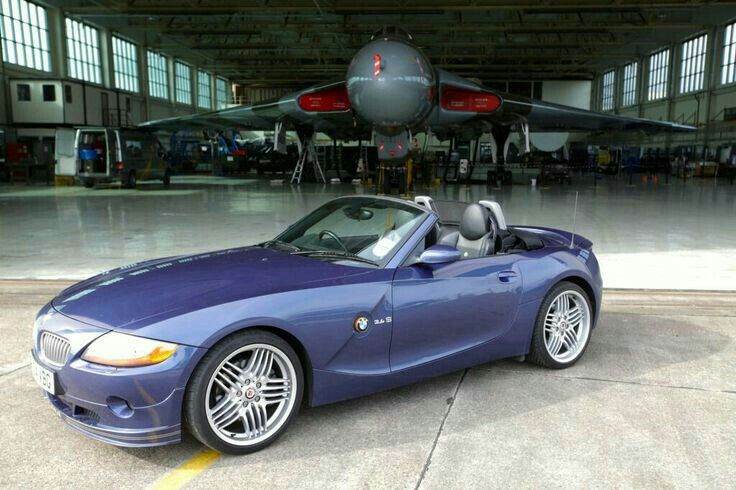
2009 BMW Z4 Alpina: The Ultimate Guide to the Rare Performance Icon
The 2009 BMW Z4 Alpina represents the pinnacle of the second-generation Z4 lineup, a model that often gets overshadowed by the flashier M models yet offers a...

BMW Cabriolet Z5: Ultimate Open-Top Luxury SUV Guide
The BMW Cabriolet Z3, often affectionately referred to as the "Zeta," represents a pivotal moment in BMW's history, marking the brand's triumphant return to...

2024 BMW Coupe Cabriolet: Ultimate Open-Top Luxury Guide
The allure of the BMW coupe cabriolet is a concept that has captivated drivers for decades. It represents the perfect fusion of a classic coupe's low, athletic...

2024 BMW 850CSi Cabrio: The Ultimate Guide to Owning the Open-Top Luxury Icon
The BMW 850CSi remains one of the most intoxicating expressions of the late-model E31 generation 8 Series. This Italian-market icon was never intended to be a...

Toyota Prius Hybrid: The Ultimate Guide to Owning the Eco-Friendly Icon
The Toyota Prius hybrid represents a cornerstone of automotive innovation, establishing the blueprint for modern mass-market electrified vehicles. Since its...

Ultimate BMW GTR M3 Hot Wheels: Collector's Guide & Rare Finds
The BMW GTR M3 Hot Wheels is more than just a toy car; it is a meticulously engineered miniature capturing the essence of BMW's legendary motorsport pedigree...