BMW E36 3 Series 4-Cylinder: The Ultimate Driving Machine Guide
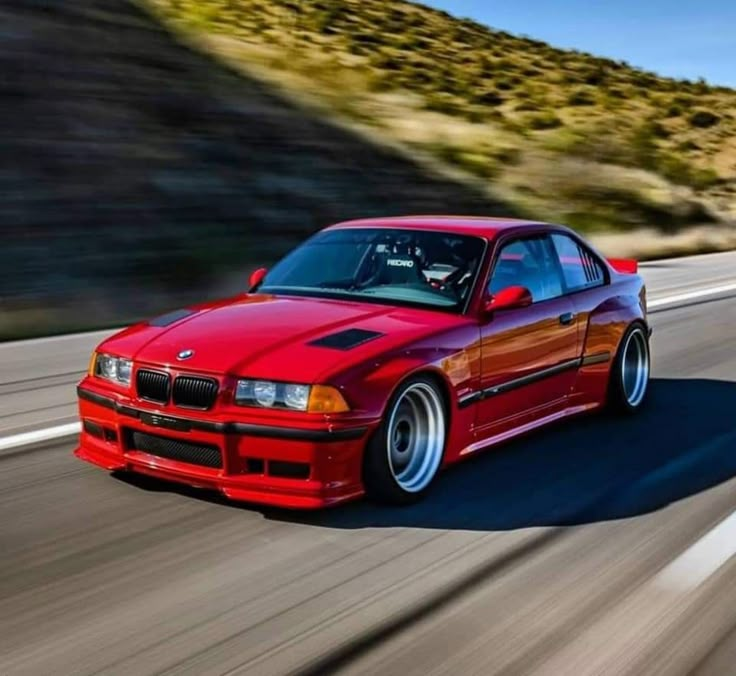
The BMW E36 series represents a pivotal era in the evolution of the Bavarian brand, marking a decisive shift toward modern engineering and driver-focused dynamics. Launched in 1990, the E36 platform moved away from the E30’s rear-wheel-drive purity, embracing a front-engine layout that allowed for greater cabin space and technological integration. This generation is often remembered for its clean lines, robust chassis engineering, and the introduction of groundbreaking features like the pioneering head-up display. While the E36 encompasses a range of sedan, coupe, and touring variants, the BMW E36 seria 4 remains a specific point of interest for enthusiasts seeking a balance of practicality and performance within this iconic lineage.
The E36 Platform: Engineering Evolution
Understanding the BMW E36 seria 4 requires a look at the platform itself. The E36 chassis was a significant departure from its predecessor, utilizing a semi-monocoque construction that improved rigidity while reducing weight. This platform was designed from the outset to be modular, accommodating a variety of engines from the efficient M40 inline-four to the legendary M50 and high-performance M3 units. The introduction of technologies like double-wishbone front suspension and a refined multi-link rear axle provided a level of handling precision that felt class-leading in the mid-1990s. This focus on dynamics is precisely why the E36 platform maintains such a strong reputation among driving enthusiasts today.
Design and Aerodynamics
The styling of the E36, particularly the sedan or "serie" as referenced, was a masterclass in late-20th-century design. The low-drag coefficient of 0.30 Cd was achieved through a sloping nose, integrated grille design, and flush-fitting windows. The BMW E36 seria 4 benefitted from this streamlined profile, which not only improved high-speed stability but also gave the car a distinctly modern and aggressive stance. Inside, the driver-centric cockpit wrapped the pilot in a functional environment, a philosophy that prioritized control and visibility over mere luxury, setting the standard for the era’s premium compact sedans.


Performance and Driving Dynamics
While the BMW E36 seria 4 might not be the first model that comes to mind when thinking of BMW M performance, the series offered a compelling blend of daily usability and spirited capability. Base models equipped with the M40 engine provided reliable and efficient transport, while the available M50B25 engine delivered a robust 172 hp, transforming the sedan into a competent sports sedan. The true performance heart of the E36 lineage, however, resided in the M3 variant. Packing a high-revving redline and track-proven handling, the E36 M3 established a benchmark for compact performance cars that remains relevant. The responsive steering and well-balanced chassis ensured that power was delivered precisely where the driver intended.
Technology and Innovation
One of the most enduring legacies of the BMW E36 is its suite of technological innovations. This was the era when BMW began to solidify its reputation for integrating cutting-edge electronics into a reliable mechanical package. The E36 was a pioneer in the widespread adoption of the iDrive system—though early versions were admittedly complex—and it introduced standard features like dual airbags and advanced traction control to the segment. The head-up display, which projected speed and navigation data onto the windshield, was a standout feature that enhanced safety by keeping the driver’s eyes on the road, a testament to BMW’s forward-thinking approach during the E36’s production run.


Reliability and Maintenance Considerations
For potential buyers of a used BMW E36 seria 4, understanding the long-term ownership costs is essential. Generally, these vehicles are regarded as reliable if they have been maintained properly. The M50 engine, in particular, is known for its durability, often exceeding 200,000 miles with basic preventative maintenance. However, like any German car from this era, attention to rubber hoses, coolant systems, and suspension bushings is crucial. The drain plug on the oil pan is a known vulnerability, and it is wise to inspect this area during a pre-purchase inspection. When cared for, the E36 offers a driving experience that aging modern cars sometimes struggle to replicate.
The Enduring Legacy
The BMW E36 platform laid the groundwork for the modern 3 Series, influencing generations of drivers with its blend of accessibility and performance. The journey from the E30 to the E36 marked BMW’s transition into the modern era without sacrificing the core principles of mechanical engagement. The sedan variants, including those specific trims often sought after for their balance of luxury and sport, remain sought after in the used market. Today, the BMW E36 seria 4 stands as a symbol of a time when automotive engineering focused on the driver’s connection to the machine, proving that compelling design and engaging dynamics are timeless.




Related Articles

BMW GT Series 4: The Ultimate Driving Machine Review & 2024 Specs
The BMW 5 Series Gran Turismo represents a fascinating intersection of luxury, performance, and practicality within the premium segment. Often misunderstood...

2024 BMW 220i M Sport: The Ultimate Driving Machine Review & Specs
The BMW 2 Series BMW 220i M Sport represents the pinnacle of accessible luxury in the premium compact segment, blending the sharp aesthetics of the M Sport...

2013 BMW E92: The Ultimate Driving Machine Guide & Specs
The 2013 BMW E92 represents the peak of the E90/E92/E93 generation, a model line widely regarded as the last of the true, driver-focused BMWs. This specific...

2020 BMW 3 Series GT: The Ultimate Driving Machine & Sedan Review
The 2020 BMW 3 Series represents a pivotal moment for the iconic sedan, blending refined performance with cutting-edge technology. This specific model year...

2024 BMW 3 Series Competition SUV: The Ultimate Driving Machine
The BMW 3 Series Competition SUV represents the pinnacle of sporty practicality, seamlessly blending the agile DNA of the iconic 3 Series with the commanding...

2024 BMW M240i G42: The Ultimate Driving Machine Guide
The G42 M240i BMW represents a compelling entry point into the world of premium performance sedans, striking a balance between everyday usability and engaging...