Unlock Peak BMW Performance: The Ultimate Flash Tuner Guide
For the dedicated BMW enthusiast, the quest for the perfect driving experience is a perpetual one. It involves a blend of art, science, and a deep understanding of the machinery beneath the hood. A BMW flash tuner represents the sophisticated evolution of this pursuit, moving beyond simple modifications to unlock the full, hidden potential of your engine control unit (ECU). This process involves directly interfacing with the vehicle's software to optimize parameters that govern everything from power delivery to fuel efficiency.
At its core, a BMW flash tuner is a specialized tool designed to read, modify, and rewrite the software configuration of your engine. Think of the stock ECU map as a cautious, one-size-fits-all setting designed to meet global emissions and durability standards. A flash tune customizes this map to align perfectly with your specific modifications and driving habits. Whether you've installed a performance air intake, a high-flow exhaust, or more substantial upgrades like a turbocharger, a flash tuner is the critical component that allows your engine to safely and effectively leverage these physical changes. It's the bridge between hardware upgrades and tangible performance gains.
How a BMW Flash Tuner Works: From Data to Power
The process begins with a connection. Modern BMW flash tuners connect directly to the vehicle's OBD-II port, accessing the ECU via a standardized diagnostic link. Using sophisticated software on a laptop or dedicated handheld device, the tuner reads the current calibration file. This file contains hundreds, if not thousands, of data points, including fuel injection timing, ignition advance, boost pressure targets for turbocharged engines, and valve control parameters. The tuner then uses this data as a foundation, making precise adjustments to create a new, optimized map. This new map is subsequently written, or "flashed," back to the ECU, replacing the factory settings and unleashing the new performance characteristics.


Decoding the Complexities: What Gets Modified?
The magic of a BMW flash tune lies in the granular control it offers over the engine's fundamental processes. For a turbocharged BMW, boost pressure mapping is often the most significant change. The tuner can safely increase the target boost level, pushing more air into the combustion chamber to generate more power. This is accompanied by precise adjustments to ignition timing, ensuring the air-fuel mixture ignites at the perfect moment for maximum efficiency and power. The fuel delivery map is also meticulously adjusted to provide the necessary additional fuel to support the increased airflow, preventing the engine from running dangerously lean. Furthermore, parameters like throttle response, air/fuel correction factors, and even overboost strategies are fine-tuned to create a cohesive and responsive driving experience.
The Tangible Benefits: More Than Just Horsepower
While a significant increase in horsepower and torque is the most celebrated outcome, the advantages of a BMW flash tuner extend far beyond a simple number on a power graph. One of the most immediately noticeable improvements is in throttle response. The engine feels more alive and eager, with lag virtually eliminated as the ECU optimizes the valve timing and boost delivery. This results in a more connected and engaging drive, whether you're navigating city streets or carving through mountain roads. For turbocharged models, the elimination of turbo lag and the delivery of power in the mid-to-upper RPM range can transform the character of the car, making it feel more of a high-performance machine than a comfortable cruiser.


It's also important to note that a professionally executed flash tune can contribute to better fuel efficiency, particularly in real-world driving conditions. By optimizing the air-fuel mixture and eliminating the need for the engine to work as hard to deliver power, the ECU can operate more efficiently. This is especially true during steady cruising speeds. Of course, these efficiency gains are often realized when the driver takes advantage of the improved efficiency rather than consistently pushing the newly unlocked performance envelope. The tuner allows for a more intelligent use of the engine's capabilities, ensuring that power is delivered precisely when it's needed.
Navigating the Process: Professional Tuning vs. DIY Solutions
When it comes to flashing your BMW, there are two primary paths: professional tuning services and do-it-yourself (DIY) solutions. Professional tuning, offered by specialized garages or performance shops, provides the highest level of safety and optimization. An experienced tuner will have access to a wide range of pre-configured maps, the expertise to diagnose potential issues, and the ability to perform data logging to fine-tune the map based on real-world performance and sensor feedback. This route ensures that your engine is tuned specifically for your car's hardware, its current condition, and your desired driving style. It is the premium, worry-free approach to performance optimization.
For the more technically inclined, DIY tuning via handheld devices like the BMeter2 or KessV2 offers a compelling middle ground. These devices come with pre-made maps created by tuning communities, which can provide significant performance improvements over the stock setting. The process is generally straightforward: plug in the device, select a map, and flash the ECU. While this is a cost-effective way to get started, it carries a higher degree of risk. Without the dynamic adjustments and safety checks of a professional, you are relying entirely on the quality and suitability of the pre-loaded map for your specific engine. For those who choose this path, a thorough understanding of the process and a willingness to monitor engine parameters closely is essential for a safe and successful outcome.


Related Articles

Unlock Peak BMW Performance: The Ultimate ECU Tuner Guide
The landscape of modern BMW performance is defined not just by powerful engines and precise handling, but by the sophisticated software that orchestrates every...
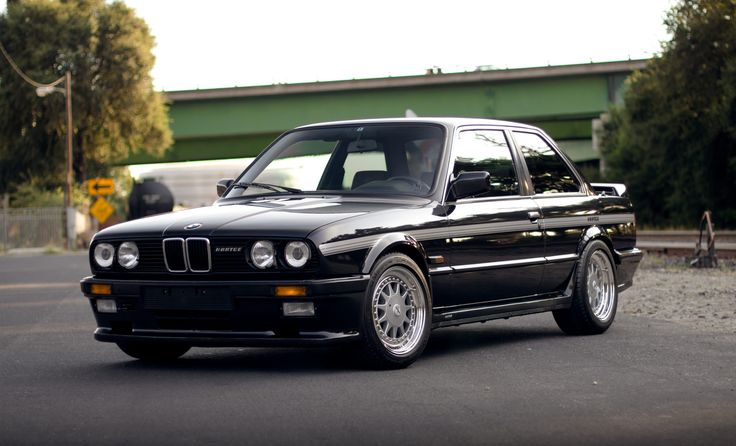
Unlock Peak Performance: The Ultimate Hartge BMW Tuner Guide
For enthusiasts seeking to unlock the full potential of their BMW, the name Hartge resonates with authority and performance pedigree. As a highly respected...

Unlock Peak Performance: The Ultimate Custom BMW Tuner Guide
For the discerning BMW owner, the journey does not end at the showroom floor. It begins there. The stock configuration, while a marvel of German engineering...

Unlock Peak Performance: The Ultimate BMW Tuner Guide for G Power Enhancement
For BMW enthusiasts seeking to extract additional performance, refinement, and presence from their machine, the name G Power resonates deeply. As an official...

Unlock Peak Performance: The Ultimate BMW G80 Tuner Guide
For the owner of a BMW G80 M3 or G80 M4, the journey doesn't end at the factory warranty sheet. These German performance icons arrive from the dealership with...

Unlock Peak Power: The Ultimate JP Performance Toyota GT86 Upgrade Guide
The JP Performance Toyota GT86 represents the pinnacle of driver-focused engineering, merging Subaru’s boxer engine precision with bespoke aerodynamic...