BMW M1 Group 4: The Ultimate Rare Racing Icon Unveiled
The BMW M1 Group 4 represents the pinnacle of BMW's foray into Group 4 racing homologation, a machine born from the fierce competition of the late 1970s. More than just a road-legal version of a race car, it is a meticulously engineered bridge between the factory's racing ambitions and the demands of the touring car circuit. Its creation was a direct response to the FIA's Group 5 regulations, which effectively rendered the previous generation of 3.0 CSL obsolete on the track, forcing BMW to rethink its strategy for international motorsport dominance.
The Genesis of a Legend: Homologation Special
To compete under Group 4 rules, BMW needed to produce a minimum of 400 road-going units, a significant investment for a niche model. The M1 Group 4, therefore, became a homologation special, a car defined by its racing purpose rather than mass-market appeal. Every element of its design was scrutinized for both track performance and regulatory compliance, resulting in a vehicle that looked aggressive and functioned with brutal efficiency. This was not a car for the casual enthusiast; it was a tool for professionals and serious amateurs willing to pay a premium for entry into BMW's racing heritage.
Design and Engineering Philosophy
Visually, the M1 Group 4 is a study in purposeful aggression, setting it apart from its sibling, the road-going M1. The most iconic feature is its massive rear wing, a functional airfoil designed to generate immense downforce at high speeds, keeping the rear tires planted on the twisting circuits of Europe. Flanking this are deep front air dams and side skirts, which manage airflow to reduce drag and lift. The pop-up headlights, a necessity for the original M1 to comply with safety regulations, were often swapped for fixed units in the Group 4 variant to improve aerodynamics and reduce complexity, giving the car a more intense, focused stare.


Under the skin, the mechanicals were taken directly from the production M1, ensuring a foundation of provenance and performance. The legendary 3.5-liter inline-six engine, mounted in a mid-rear configuration, remained the heart of the machine. However, for the Group 4 cars, BMW engineers extracted maximum power, tuning the Bosch L-Jetronic fuel injection and racing exhaust to deliver a thrilling and responsive power curve. This layout, combined with a lightweight chassis and race-inspired suspension, guaranteed razor-sharp handling and a driving experience that was as demanding as it was rewarding.
Racing Pedigree and Legacy
Despite its impressive credentials, the M1 Group 4's racing career was ultimately overshadowed by political and regulatory turmoil within the FIA. The class for which it was designed was quickly phased out, and BMW, disillusioned by the shifting goalposts, withdrew from international touring car racing shortly after its introduction. Consequently, the car's true competitive potential was largely unrealized on the grandest stage, its impact felt more in the development of future M models than in trophy cabinets. However, this rarity and its short-lived competitive life only add to its allure among collectors and historians.


Today, the BMW M1 Group 4 is celebrated as one of the most exotic and desirable models in the entire BMW lineup. Its combination of racing heritage, stunning aesthetics, and mechanical drama places it in a rarefied air alongside the greatest automotive icons of the 1970s and 80s. For enthusiasts, seeing one glide past is a reminder of a bygone era where manufacturers battled not just for sales, but for supremacy on the world's most challenging race tracks, with the M1 Group 4 standing as a proud and powerful symbol of that ambition.
Key Specifications at a Glance
| Specification | Details |
|---|---|
| Engine | 3.5L Inline-Six |
| Configuration | Mid-Engine, Rear-Wheel Drive |
| Power Output | Approx. 470 hp (351 kW) |
| Production Total | ~10 units (estimated) |


Related Articles

The Ultimate Scarab Green BMW E39 M5: A Rare Gem Unveiled
The scarab green BMW E39 represents a pinnacle of automotive engineering and design, capturing the essence of 1990s German performance. This specific color, a...

BMW M3 E46 NFS Most Wanted: The Ultimate Street Racing Icon
The BMW M3 E46 NFS Most Wanted is more than just a high-performance sedan; it is an icon of a specific era in automotive history, immortalized by a digital...
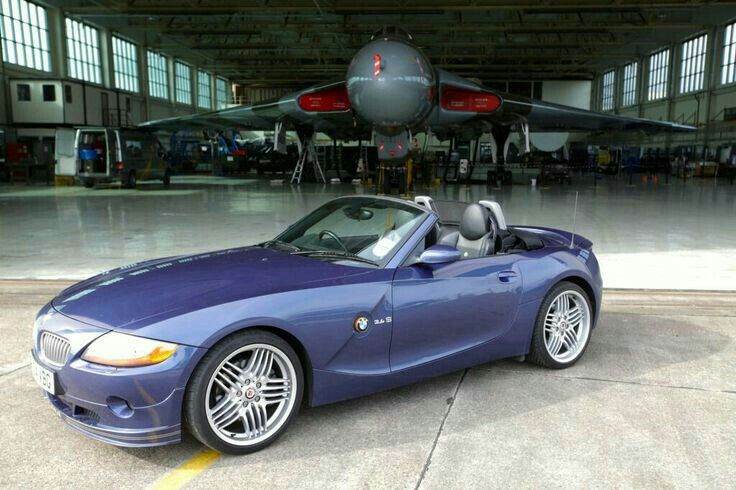
2009 BMW Z4 Alpina: The Ultimate Guide to the Rare Performance Icon
The 2009 BMW Z4 Alpina represents the pinnacle of the second-generation Z4 lineup, a model that often gets overshadowed by the flashier M models yet offers a...

Toyota Prius Hybrid: The Ultimate Guide to Owning the Eco-Friendly Icon
The Toyota Prius hybrid represents a cornerstone of automotive innovation, establishing the blueprint for modern mass-market electrified vehicles. Since its...

Ultimate BMW GTR M3 Hot Wheels: Collector's Guide & Rare Finds
The BMW GTR M3 Hot Wheels is more than just a toy car; it is a meticulously engineered miniature capturing the essence of BMW's legendary motorsport pedigree...

1998 Toyota Supra MK4 For Sale: The Ultimate Twin-Turbo Icon
The 1998 Toyota Supra MK4 remains one of the most desirable sports cars from the late 1990s, blending raw performance with daily-drive practicality. For...