1990 BMW M3 4-Door: Rare Collector's Gem Performance Icon
The BMW M3 E30 1990 4-door sedan represents a fascinating and often misunderstood chapter in BMW’s performance history. While the two-door coupé is the iconic image that dominates collective memory, the four-door offering catered to a specific market demanding both speed and practicality. As we look back at the model year 1990, we see a car that was a technological marvel, packing race-bred engineering into a family-friendly package. This was a time when the line between the track and the street was thrillingly blurred, and the 4-door M3 embodied that ethos perfectly.
The E30 Platform: A Legend's Foundation
To understand the 1990 M3 4-door, you must first appreciate the platform it was built upon: the legendary E30. Launched in the early 1980s, the E30 chassis was the backbone of the original 3 Series and was renowned for its near-perfect 50/50 weight distribution and razor-sharp handling. The M division took this already excellent driving machine and transformed it into a high-revving, track-focused weapon. The 1990 model year benefited from incremental updates and refinements, ensuring the platform was at its peak performance and reliability. The 4-door variant, while heavier than its coupe sibling, maintained the core driving dynamics that made the E30 a favorite among driving enthusiasts and professional racers alike.
Engine Specifications and Performance
Under the hood, the 1990 BMW M3 4-door housed the S14 engine, a 2.3-liter inline-four that was a masterpiece of motorsport engineering. For the 1990 model year, this naturally aspirated powerhouse produced 192 horsepower and 163 lb-ft of torque, numbers that were staggering for a family sedan of the time. This allowed the M3 to sprint from 0 to 60 mph in just over 7 seconds, a remarkable figure. The engine was mated to a close-ratio 5-speed manual transmission, sending power to the rear wheels through a robust limited-slip differential. The result was a car that felt alive and communicative, rewarding precise inputs with confidence-inspiring handling.


Design and Practicality
Visually, the 1990 M3 4-door stood out from the crowd. While sharing the aggressive front grille and flared wheel arches with the coupe, the sedan’s longer body provided significantly more rear legroom. This was a key selling point, transforming the M3 from a two-seat sports car into a genuine daily driver capable of comfortably transporting a family. The trunk, while smaller than a standard 3 Series, was still far more usable than the coupe’s tiny hatch. The addition of factory options like the limited-slip differential and the M-specific suspension meant buyers got a car that was as practical as it was performant.
- Iconic S14 Engine: The 2.3L inline-four producing 192 hp.
- RWD Dynamics: Perfect 50/30 weight distribution for agile handling.
- Everyday Usability: A rare blend of a race car and a grocery-getter.
- Crisp Interior: Recaro seats, a three-spoke sport steering wheel, and M-specific gauges.
- Motorsport Heritage: Born from the legendary European Touring Car Championship.
The Driving Experience
Driving a 1990 BMW M3 4-door is an exercise in purity. The steering is weighty and precise, the gearshift is short and tactile, and the engine note is a glorious scream that crescendos as you redline each shift. Unlike modern cars that often prioritize comfort over sportiness, the M3 4-door (and the E30 platform in general) offers a raw, unfiltered connection to the road. It demands engagement and rewards skill, making every drive an event. It’s a car that encourages you to carve through corners rather than simply point it down the highway, proving that driving fun doesn’t need four doors or an automatic transmission.


Legacy and Collector Status
Today, the BMW M3 E30 1990 4-door is highly sought after by collectors and enthusiasts. Its status as a rarer variant—the coupe was the dominant production model—has elevated its desirability. Finding a clean, numbers-matching example is a challenge, but one that is immensely rewarding. These cars represent the last of a breed: simple, driver-focused machines that prioritized engineering excellence over luxury and technology. They are a testament to BMW’s commitment to building the ultimate driving machine, a philosophy that continues to define the brand to this day. Owning one is not just about possessing a fast car; it’s about becoming a custodian of automotive history.


Related Articles

Alpina BMW 1990: Rare German Performance Legend
The Alpina BMW 1990 represents a fascinating and significant chapter in the history of high-performance motoring, marking a period when the collaboration...

The Ultimate Guide to the BMW E30 M3 4-Door: Power, Precision, and Rare Find
The BMW E30 M3 4-door represents a fascinating and often misunderstood chapter in the evolution of the legendary 3 Series. While the two-door coupe is the...
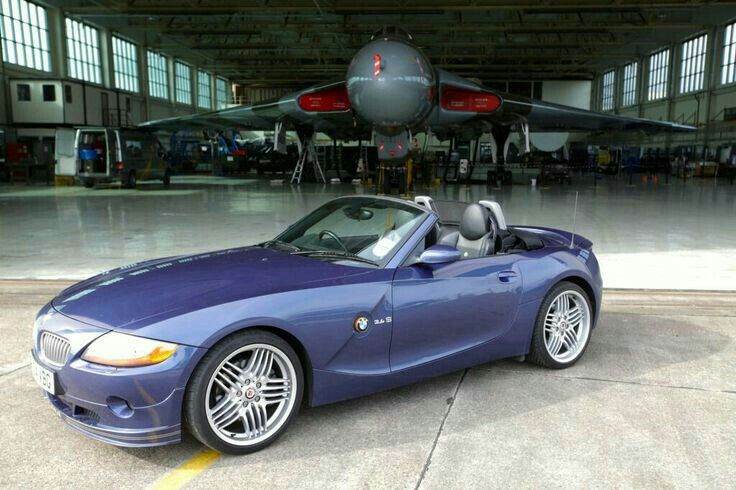
2009 BMW Z4 Alpina: The Ultimate Guide to the Rare Performance Icon
The 2009 BMW Z4 Alpina represents the pinnacle of the second-generation Z4 lineup, a model that often gets overshadowed by the flashier M models yet offers a...

Rare BMW E30 4-Door Sedan For Sale – Ultimate Collector’s Guide
The search for a BMW E30 4 door for sale often feels like a hunt for a specific piece of automotive history. While the E30 is most famous as a two-door sedan...

2024 BMW 6 Series Gran Coupe: The Ultimate 4-Door Luxury Performance Sedan
The BMW 6 Series Gran Coupe represents the pinnacle of sporty four-door luxury, seamlessly blending the aggressive aesthetics of a coupe with the practical...

2024 BMW M8 4-Door Price: Cost, Specs & Performance Review
For enthusiasts and luxury buyers alike, the BMW M8 represents the pinnacle of the 8-series lineup. This high-performance grand touler combines breathtaking...