BMW M5 vs M4: Ultimate Performance Showdown 2024
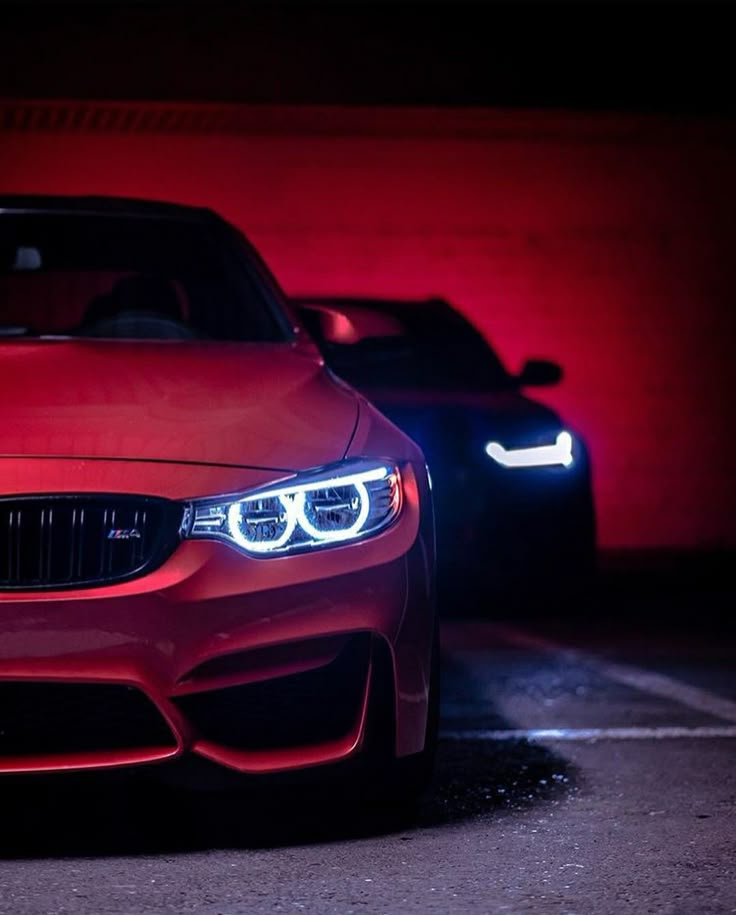
Choosing between the BMW M5 and the BMW M4 is one of the most coveted dilemmas in the performance car world. Both represent the pinnacle of the Bavarian brand’s engineering, delivering heart-thumping power, razor-sharp handling, and an intoxicating blend of daily usability and outright speed. While the M4 stands as the charismatic, agile hunter, the M5 acts as the supreme grand tourer, effortlessly conquering both canyon roads and interstate highways. Deciding which one belongs in your driveway requires a deep dive into how they differ in philosophy, performance, and real-world practicality.
The Heart of the Matter: Performance and Dynamics
At the core of the BMW M4 sits a 3.0-liter twin-turbocharged inline-six, producing 503 horsepower and 479 lb-ft of torque in its Competition guise. This power is sent exclusively to the rear wheels, creating a focused and engaging driving experience that feels connected and immediate. The M4’s shorter wheelbase and lighter curb weight make it exceptionally nimble, darting through corners with a precision that feels almost telepathic. The steering is weighted perfectly, and the chassis balance is so neutral that pushing the car to its limits feels natural, whether on a quiet backroad or a racetrack.
The BMW M5, however, throws an entirely different beast under the hood. It retains the same 4.4-liter twin-turbocharged V8 found in the X5 M, but here it sings a sweeter song, unleashing a ferocious 617 horsepower and 553 lb-ft of torque. This brute force is distributed to all four wheels via an M xDrive system, providing breathtaking acceleration that pins you to your seat with ruthless efficiency. While it can feel larger and more imposing than the M4, the M5’s advanced torque vectoring and adaptive suspension transform this potential liability into a thrilling asset. The result is a car that devours fast corners with the confidence of a sedan, offering a level of planted stability that the M4 simply cannot match on longer straights.


Handling and Driving Dynamics
The driving dynamics of the M4 are its primary calling card. Its near 50/50 weight distribution, combined with a shorter wheelbase, translates to a car that feels lively and flickable through a series of corners. The available adaptive M suspension is sharp and responsive, soaking up bumps while maintaining a composed and planted demeanor. The optional electromagnetic damper control takes this a step further, allowing for pre-defined drive modes that adjust the valving in milliseconds, from relaxed comfort to a taut, race-inspired firmness that makes the M4 a joy on any winding road.
The BMW M5, conversely, is a study in controlled power. Its greater mass is evident, but the magic lies in how M has tamed it. The active rear steering, for example, is a revelation. At low speeds, it turns the front wheels slightly in the opposite direction to aid maneuverability, while at higher speeds, it turns them in the same direction to tighten the turning radius and enhance high-speed stability. The M5 feels like a driver’s car that simply doesn’t care, gliding through high-speed corners with a serene confidence that the M4 can only dream of. It’s less about flicking a wrist and more about carving a path with effortless authority, a testament to its sophisticated chassis engineering.


Everyday Usability and Practicality
Beyond the thrill of the drive, the M4 positions itself as a far more practical daily driver. Its compact, two-door coupe design slips into tight parking spots with ease, and the rear seats, while not spacious, can genuinely fit two average-sized adults on a short trip. The trunk is reasonably sized, and the overall form factor feels more aligned with a sporty 3 Series than an E60 M5. You can comfortably drive an M4 to work, navigate crowded city streets, and even embark on a weekend getaway without feeling overwhelmed by its presence.
The BMW M5, by its very nature, is a grand tourer. It trades some maneuverability for an intoxicating blend of luxury and performance. The E60 generation, in particular, is renowned for its near-perfect comfort, transforming even the longest journeys into first-class experiences. The trunk is cavernous, easily swallowing multiple sets of golf clubs or a week's worth of luggage without complaint. While the rear seats are more for show than frequent use, the M5’s true practicality shines in its ability to be a comfortable, high-performance cruiser for the entire family. It’s a car designed to cover vast distances without a trace of fatigue, a stark contrast to the M4’s more intense, focused mission.
The Verdict: Which BMW M is for You?
Deciding between these two icons isn't just about specs on a page; it’s about aligning the car with your lifestyle and driving desires. If your passion is sharp, involved driving, and you value a car that feels accessible and fun whether carving mountain roads or navigating city traffic, the BMW M4 is your unambiguous champion. It is the purest expression of BMW’s M division philosophy in this segment—a focused weapon that delivers maximum excitement with minimum compromise on usability.


Conversely, if you crave immense power and a supremely comfortable ride that can switch from serene cruiser to a high-performance machine in an instant, the BMW M5 is the undisputed king. It is a car that refuses to compromise, offering supercar-caliber performance wrapped in a luxurious, practical sedan. Choosing the M5 means accepting its larger stature in exchange for a level of refinement and capability that is simply unmatched. Ultimately, the best car is the one that not only meets your expectations on paper but also ignites a spark every time you turn the key and press the pedal.




Related Articles

BMW X4M vs X6M 2024: Ultimate Performance SUV Showdown
Choosing between two high-performance SUVs often leads enthusiasts to a critical BMW showdown: the X4 M versus the X6 M. While both vehicles share the same...

2024 BMW Horsepower Showdown: Ultimate Speed & Performance Guide
When enthusiasts discuss the pinnacle of automotive engineering, the conversation frequently returns to the pursuit of power. To understand a BMW horsepower...

2024 Toyota Hatchback GR: The Ultimate Guide to Performance and Style
For owners and enthusiasts of Toyota's agile urban runabouts, the phrase "Toyota hatchback GR" instantly conjures a specific driving experience. This...

The Ultimate 2024 Hybrid BMW i3 Review: Specs, Price & Performance
The hybrid BMW i3 represents a fascinating evolution in the electric mobility narrative, bridging the gap between pure electric driving and the practicality of...

2024 BMW M5 Gran Coupe Competition: Ultimate Sedan Showdown
The BMW M5 Gran Coupe Competition represents the zenith of BMW’s ambitious sedan program, a machine that trades the purity of a coupe for the ruthless...

Toyota vs Tundra: The Ultimate Showdown for Best Pickup Truck 2024
When evaluating full-size pickup trucks, the conversation inevitably circles back to the Toyota Tundra. While the American market has long been dominated by...