2024 BMW M1 Neo: The Ultimate Guide to the Rare Automotive Icon
The BMW NERA M1 represents a fascinating divergence from the iconic M1 race car that captured motorsport imagination in the late 1970s and early 80s. While the original Brabham-Alfa Romeo M1 was a revolutionary Group 5 sports prototype, the NERA project is a distinct, modern reinterpretation conceived for a new era of engineering and style. Born from the creative mind of Italian design house Neri & Bonacini, this vehicle is not a factory-produced model but a bespoke, one-off showcase of advanced composite technology and forward-thinking automotive design. Its very existence speaks to a period when automakers and coachbuilders dared to imagine radical alternatives to conventional sports car construction.
The Radical Chassis: A Monocoque Masterpiece
At the heart of the NERA M1's innovation lies its chassis, a structure that abandons traditional steel or aluminum space frames entirely. The entire monocoque is constructed from a complex pre-preg carbon fiber composite, a material more commonly found in aerospace engineering at the time of its conception. This choice was not merely for weight savings, although the resulting tub is remarkably light, but for its incredible rigidity and ability to be molded into a highly sophisticated, organic shape. The design eliminates the need for a separate chassis, integrating the load-bearing structure directly with the bodywork to create a cohesive and incredibly stiff platform.
Engineering for the Future
The integration of chassis and bodywork was a bold engineering statement. By using carbon fiber, Neri & Bonacini were able to create complex curves and internal structures that would be impossible with conventional materials. This approach allowed for a lower center of gravity and a more optimized distribution of mass than was feasible with a traditional tubular frame. The result was a car that promised not only superior handling but also a level of safety and structural integrity that was forward-thinking for the early 1980s. The material choice signaled a clear vision for the future of automotive manufacturing, even if the high cost of carbon fiber would long limit its widespread adoption.


Performance and Drivetrain: The Heart of an Icon
Powered by the legendary BMW M10 four-cylinder engine, the NERA M1 retained the soul of its German predecessor. This naturally aspirated four-cylinder, sourced from BMW's prolific 3 Series, was mounted longitudinally at the rear, providing a perfect weight distribution for a vehicle of its advanced layout. While the exact output was a modest 265 horsepower, the lightweight nature of the car, courtesy of its composite chassis, meant that the power-to-weight ratio was highly competitive. The engine’s responsive nature and the finely tuned suspension ensured that the NERA M1 was as engaging to drive as it was breathtaking to look at.
Suspension and Handling Dynamics
Complementing its powerful heart, the NERA M1 featured a sophisticated double-wishbone suspension setup at both the front and rear. This configuration, paired with inboard mounted brakes, was a design choice typical of high-performance machinery of the era, aimed at minimizing unsprung weight and maximizing thermal efficiency. The combination of the rigid carbon fiber chassis and this advanced suspension gave the car razor-sharp turn-in and exceptional feedback through the steering. Drivers could harness the full potential of the M10 engine with confidence, knowing the chassis was more than capable of managing the dynamics of spirited driving.


A Design Icon Forged in Carbon
The exterior design of the NERA M1 is perhaps its most enduring legacy, a timeless piece of automotive sculpture that remains strikingly modern decades after its creation. The sharp creases, flowing lines, and deep-set headlights give it an aggressive yet elegant presence, often compared to a futuristic race car frozen in time. The design language is pure late-70s futurism, with clean surfaces and a low, aggressive stance that speaks to its performance intent. It is a car that looks fast even when standing still, a testament to Neri & Bonacini's mastery of form following function.
Interior: Minimalism Meets Innovation
Inside, the NERA M1 embraces a philosophy of focused performance. The cockpit is stripped of unnecessary luxury, centering the driver with a compact, race-inspired interior. The use of lightweight materials extends beyond the exterior shell, with a minimalist dashboard and supportive bucket seats creating a highly focused driving environment. While the original concept may have included luxurious elements, the prevailing ethos is one of a dedicated sports car, where every component serves a purpose. The digital instrumentation, though period-accurate, adds a touch of futuristic flair to the cabin's overall aesthetic.
Legacy and Influence
Though the NERA M1 remained a singular prototype, its influence on the automotive world is undeniable. It served as a powerful proof-of-concept, demonstrating the viability and potential of carbon fiber monocoques long before they became standard in supercars. The car's radical design and advanced engineering captured the imagination of enthusiasts and professionals alike, earning it a place in the pantheon of most important automotive concepts of the 20th century. It stands as a landmark achievement in the history of coachbuilding, a moment where imagination and engineering converged to create something truly unique.


A Bridge Between Eras
The BMW NERA M1 is a compelling bridge between the analogue craft of the past and the digital possibilities of the future. It represents a moment when the rules of automotive design were being rewritten, challenging the established norms of steel and iron with the promise of carbon fiber and composite innovation. For BMW enthusiasts, it offers a unique connection to the heritage of the M1 name, while for design aficionados, it remains an unparalleled example of visionary aesthetics. Its story is a reminder that the most significant automotive leaps are often born not from incremental improvement, but from a complete and fearless reimagining of the possible.


Related Articles

2024 BMW M3 E92 Mineral White: The Ultimate Guide to Specs, Price & Rare Beauty
The BMW M3 E92 Mineral White stands as a timeless icon in the pantheon of driving machines, a testament to BMW’s golden era of the E46 and E92 chassis. This...

2024 BMW Z1 Review: The Ultimate Guide to This Rare Roadster
The BMW Z1 represents a fascinating anomaly in the company's history, a car defined more by its audacious concept than its conventional performance metrics...

2024 BMW E36 Coupe Yellow: Ultimate Guide to the Sleeper Icon
The BMW E36 coupe yellow is an icon of 1990s driving dynamics and timeless style. This specific colorway transforms the already engaging coupe into a rolling...

2024 BMW M3 Drift Car: Ultimate Guide to Drifting the Ultimate Icon
The BMW M3 drift car represents the pinnacle of enthusiast engineering, a machine that transforms the precision of a German sports sedan into an instrument of...
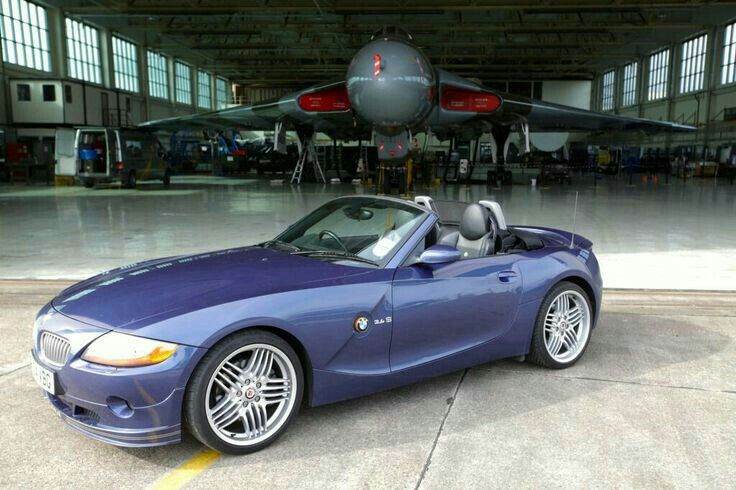
2009 BMW Z4 Alpina: The Ultimate Guide to the Rare Performance Icon
The 2009 BMW Z4 Alpina represents the pinnacle of the second-generation Z4 lineup, a model that often gets overshadowed by the flashier M models yet offers a...

Ultimate JDM BMW E36 Build Guide & Vault 2024
The JDM BMW E36 represents a golden era of Bavarian engineering, capturing the hearts of driving enthusiasts who appreciate the raw blend of motorsport...