Ultimate BMW R90 Cafe Build Guide: Style, Specs & Roadworthy Tips
The BMW R90 Cafe represents a fascinating convergence of engineering precision and timeless cafe racer aesthetics. This model, derived from the venerable R90/6 platform, has captured the imagination of enthusiasts seeking a blend of classic style and modern reliability. Far more than a simple paint job change, the R90 Cafe embodies a philosophy of stripped-back elegance and rider-focused dynamics. Its journey from a vintage workhorse to a meticulously restored icon highlights the enduring appeal of Japanese engineering paired with European riding ergonomics.
Deconstructing the R90/6 Heritage
To truly appreciate the R90 Cafe, one must first understand the legendary platform it is built upon. The BMW R90/6, produced from 1973 to 1976, was a significant evolution in the boxer engine lineage. It featured a reinforced frame, a more powerful 797cc air-cooled flat-twin, and a distinctive design language that set it apart from its predecessors. The foundation of the cafe conversion lies in this robust chassis, which provides the perfect canvas for builders to express their vision of a classic cafe racer.
The Cafe Aesthetic: Form Meets Function
The cafe racer styling is not merely cosmetic; it is a deliberate return to the functional minimalism of 1960s British motorcycle culture. For the R90 Cafe, this translates into several key modifications. The standard fairings are discarded in favor of a simple bikini fairing or none at all, exposing the engine and frame. Clubman-style handlebars are fitted, lowering the riding position and creating a more intimate connection with the road. The visual signature is the elongated silencer, a direct homage to the period racers that competed in events like the Isle of Man TT.


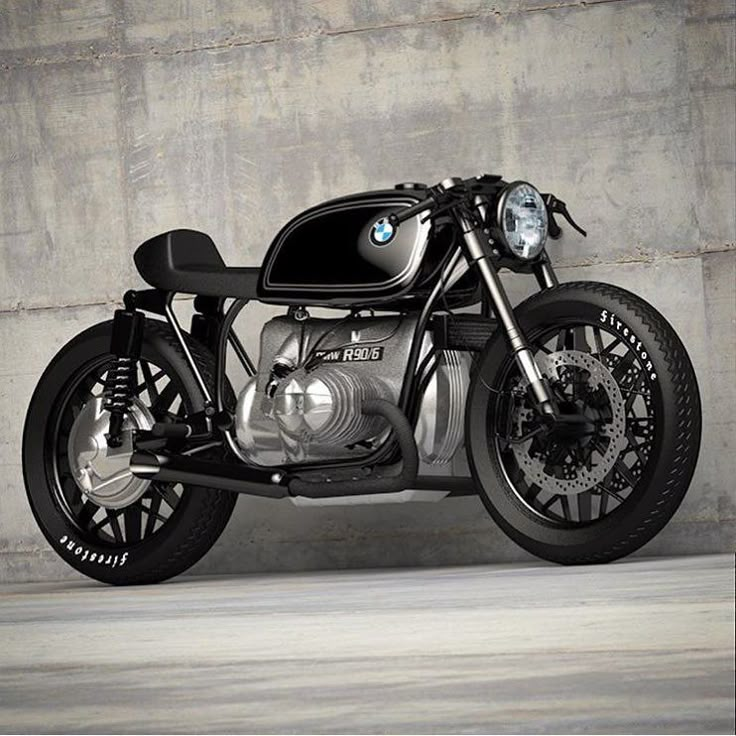
- Integrated seat cowl for a clean, uninterrupted profile.
- Narrow front fender to reduce mud spray and visual weight.
- Chrome or anodized fork crowns and brake discs for enhanced detailing.
- Wire-spoked wheels, often with gold accents, for a classic look.
The Heart of the Machine: Engine and Performance
While the visual transformation is dramatic, the heart of the BMW R90 Cafe remains its air-cooled boxer engine. Many builders opt to retain the stock 797cc engine, appreciating its legendary durability and torquey character. However, performance upgrades are common, ranging from simple K&N filters and larger Bing carburetors to more ambitious camshafts and higher-compression pistons. These modifications unlock additional horsepower and a more linear power band, transforming the relaxed tourer into a more spirited performer that truly sings at speed.
Crafting Your Own R90 Cafe: The Builder's Journey
The beauty of the BMW R90 Cafe platform is the immense room for personalization. It has become a premier canvas for custom builders and individual riders alike. The process often begins with sourcing a well-maintained R90/6 frame, which is then stripped down to its essentials. Every component is scrutinized, replaced, or modified. The result is a machine that is uniquely personal, reflecting the builder's taste, whether that is a period-correct restoration or a modern interpretation with contemporary brakes and suspension.


Modern Reliability Meets Vintage Soul
One of the key advantages of choosing a BMW R90 Cafe over a purely vintage motorcycle is the integration of modern technology. Savvy builders frequently incorporate disc brakes to the front, LED lighting, and updated wiring harnesses. This blend yields a motorcycle that retains the soulful, mechanical feel of a classic BMW while offering the safety and convenience expected of a daily rider. The air-cooled engine, while a relic of a bygone era, proves to be remarkably robust and requires significantly less maintenance than its water-cooled counterparts.
Owning an R90 Cafe: Community and Culture
Embarking on an R90 Cafe journey places you within a vibrant and passionate global community. Events, online forums, and dedicated clubs are filled with individuals who share a deep appreciation for this specific model and the cafe racer ethos. Sourcing parts, getting advice on a build, or simply showing off a finished project is a rewarding experience. This culture of knowledge sharing and camaraderie is a significant part of the appeal, turning a motorcycle purchase into an entry into a lifelong hobby.


Related Articles

Ultimate BMW F800ST Cafe Racer Guide: Style, Performance, and Build Tips
The BMW F800ST stands as one of the most versatile and engaging machines in the BMW lineup, and its transformation into a cafe racer is a testament to the...

Ultimate BMW Cafe Racer Fender Guide: Style, Fit & Installation Tips
The search for the perfect bmw cafe racer fender setup is a defining journey for any enthusiast transforming a standard BMW into a café racer icon. This single...

Ultimate BMW Cafe R65 Guide: Specs, Reviews & Builder Tips
The BMW R65 stands as an enduring symbol of German engineering and the golden era of air-cooled boxer engines. Introduced in 1978, this mid-size adventure bike...

Ultimate BMW Enduro Cafe Racer: Speed, Style & Build Guide
The BMW Enduro Cafe Racer represents a fascinating intersection of off-road capability and classic urban styling. This specific niche within the motorcycle...

The Ultimate BMW K100 Cafe Racer Guide: Build, Style & Ride
The BMW K100 represents a fascinating pivot in BMW’s long history of boxer-engine motorcycles, and transforming one into a BMW K100 cafe racer is a project...

Ultimate Guide to the BMW E36: Classic Sedan Specs & Restoration Tips
The BMW E36, specifically the models produced from 1990 to 1999, represents a pivotal moment in automotive history. Often celebrated as the last of the true...