BMW vs Benz: The Ultimate Luxury Car Battle 2024
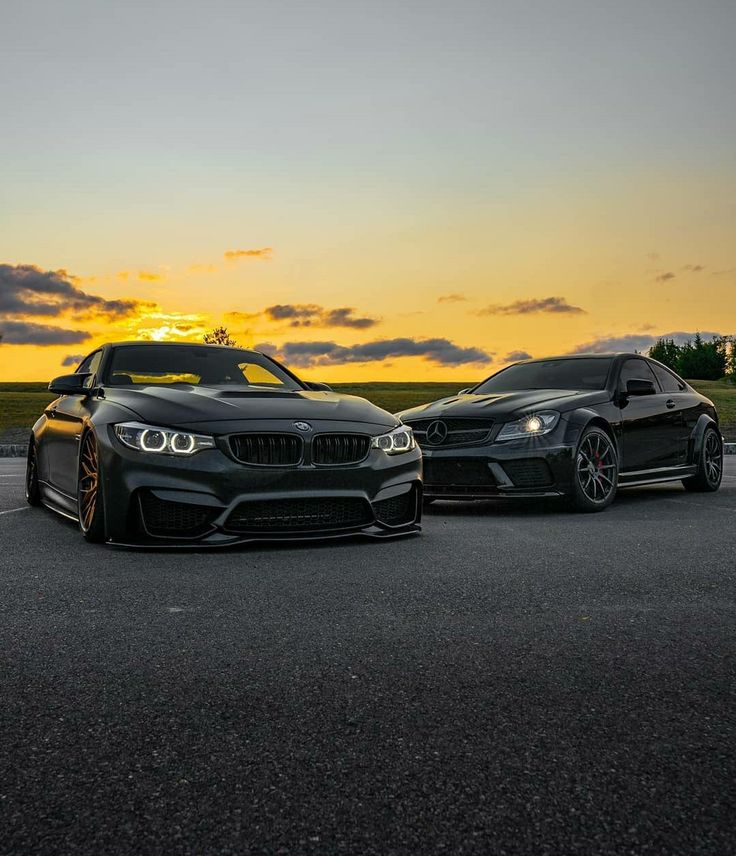
When evaluating German automotive excellence, the conversation almost always converges on two titans: BMW and Mercedes-Benz. For decades, these manufacturers have set the benchmark for engineering, luxury, and performance in the premium segment. Choosing between them is less about identifying a objectively "better" machine and more about determining which philosophy aligns with your personal driving expectations and lifestyle. This comparison dissects the core distinctions to help you navigate the decision.
Heritage and Brand Philosophy: The Heart of the Matter
To understand the rift between these brands, one must first look to their origins. Mercedes-Benz, born in 1926 from the merger of Karl Benz and Gottlieb Daimler, carries the weight of invention; it is the pioneer of the modern automobile. Consequently, its design language often leans toward "Progressive Luxury"—a focus on comfort, safety, and an aura of established prestige. BMW, founded in 1916 as an aircraft engine manufacturer, is fundamentally rooted in the "Ultimate Driving Machine" mantra. While both brands pursue luxury, Mercedes often prioritizes the sanctity of the passenger experience, whereas BMW obsesses over the tactile connection between the driver and the road.
Design Language: Sensual vs. Athletic
The visual identity of each brand is a clear indicator of its priorities. Mercedes-Benz design has evolved into a distinct style of "Snake Byte" aesthetics—characterized by flowing lines, a sense of grand volume, and a commanding front grille that screams presence. The interiors are often dimly lit, focused on营造 a serene, high-tech cocoon. BMW, conversely, adheres to an "Angel Eye" design language that is sharper, more aggressive, and athletic. The interiors are driver-centric, featuring clean dashboards, high-contrast digital displays, and a cockpit setup that positions the driver squarely in the center of the action.


Driving Dynamics: The Core Dichotomy
This is the most critical divergence between the two marques. BMW has engineered its reputation on the suspension setup known as "the Ultimate Driving Machine." Even in their largest SUVs, BMWs typically utilize rear-wheel-drive platforms or sophisticated all-wheel-drive systems that prioritize a 50:50 weight distribution. The result is a steering feel that is precise, communicative, and engaging; the car feels like an extension of your intention. Mercedes-Benz, while offering thrilling performance models like the AMG line, generally tunes its suspensions for a smoother, more compliant ride. The focus here is on isolating the cabin from the road’s imperfections, providing a glide rather than a engage. If you derive joy from cornering, BMW is the choice; if you prioritize arriving in smooth comfort, Mercedes excels.
- BMW: Tight turning radius, responsive steering, firm yet controlled ride.
- Mercedes-Benz: Effortless cruising, isolated cabin, plush ride quality.
Technology and Infotainment
Both brands have embraced digital transformation, but their approaches differ significantly. BMW’s iDrive system has long been the gold standard for logical, keyboard-based rotary navigation. It is widely regarded as the most efficient way to interact with the car’s myriad functions, though it can have a steep learning curve. Mercedes-Benz has bet heavily on its Vertical Display architecture, replacing the traditional screen with two massive, contiguous displays that run edge-to-edge. The interface is visually stunning and leverages augmented reality for navigation, but some users find the touch-based gesture controls less intuitive than a physical knob.


| Feature | BMW | Mercedes-Benz |
|---|---|---|
| Steering Feel | Heavy, precise, communicative | Light, smooth, detached |
| Ride Comfort | Firm, sporty, responsive | Soft, isolating, plush |
| Infotainment | iDrive (Rotary/Button driven) | MBUX (Touchscreen/Gesture driven) |
When it comes to performance, both brands offer formidable options. BMW’s M Division and Mercedes’ AMG division represent the pinnacle of their respective engineering. However, their performance philosophies diverge. BMW M models, such as the M3 or M4, are celebrated for their balance, chassis agility, and naturally aspirated (or twin-turbo) engines that scream and wail under load. Mercedes-AMG cars are brute force machines, often twin-turbo V8s that produce staggering horsepower numbers and deliver a violent, yet controlled, surge of acceleration. BMW offers a scalpel; Mercedes offers a sledgehammer.
Luxury and Interior Quality
Defining luxury is subjective, but both brands execute it differently. Mercedes-Benz has historically been the leader in using premium materials like soft-touch nappa leather, open-pore wood veneers, and ambient lighting to create an atmosphere of opulence. The build quality feels substantial and the cabins are designed to look and feel expensive without relying on the driver to do much. BMW’s luxury is more austere and modern. While the newest generations have adopted significantly more soft-touch materials, the interior often feels more minimalist and driver-focused. The luxury here is derived from the precision of the engineering and the quality of the metals and plastics, rather than the overt display of wealth.
Ultimately, the verdict in the BMW vs. Benz debate is deeply personal. Are you a driving enthusiast who finds joy in the modulation of a clutch pedal and the balance of a chassis rounding a mountain road? If so, the BMW badge is your siren song. Do you value a serene cabin, the latest comfort technology, and a sense of historical gravitas that makes a statement before a word is spoken? Then the Mercedes-Benz lineage is your domain. Neither choice is a compromise; both are simply different paths to the summit of automotive excellence.




Related Articles

Mercedes Benz vs BMW Commercial Showdown: The Ultimate Luxury Battle
The term "Mercedes-Benz BMW commercial" immediately evokes a specific world of luxury automotive marketing. These two German titans have long defined the...

BMW vs Benz vs Audi: Ultimate Luxury Car Showdown 2024
When navigating the premium automotive landscape, the conversation almost always circles back to the German engineering trifecta: BMW vs Benz vs Audi. These...

Audi Q7 vs BMW X5 vs Mercedes GLE: Ultimate Luxury SUV Battle 2024
Choosing between the Audi Q7, BMW X5, and Mercedes-Benz GLE means deciding which philosophy of luxury and performance aligns with your lifestyle. These three...

BMW X7 vs Mercedes-Benz GLS 450: 2024 Showdown - Ultimate Luxury SUV Comparison
When comparing the BMW X7 and the Mercedes-Benz GLS 450, you are looking at two of the most formidable forces in the luxury SUV arena. Both vehicles represent...

2024 Mercedes-Benz GLC: Price, Specs & Reviews | Ultimate Luxury SUV Guide
The Mercedes-Benz GLC represents the pinnacle of compact luxury SUVs, striking a careful balance between engaging dynamics and spacious practicality. As a...

BMW X5 vs Mercedes-Benz GLE 2024: Ultimate Luxury SUV Showdown
Choosing between the BMW X5 and the Mercedes-Benz GLE is often less about which vehicle is objectively better, and more about which philosophy aligns with your...