BMW vs Mercedes: Which Luxury Sedan is Faster? Speed Comparison
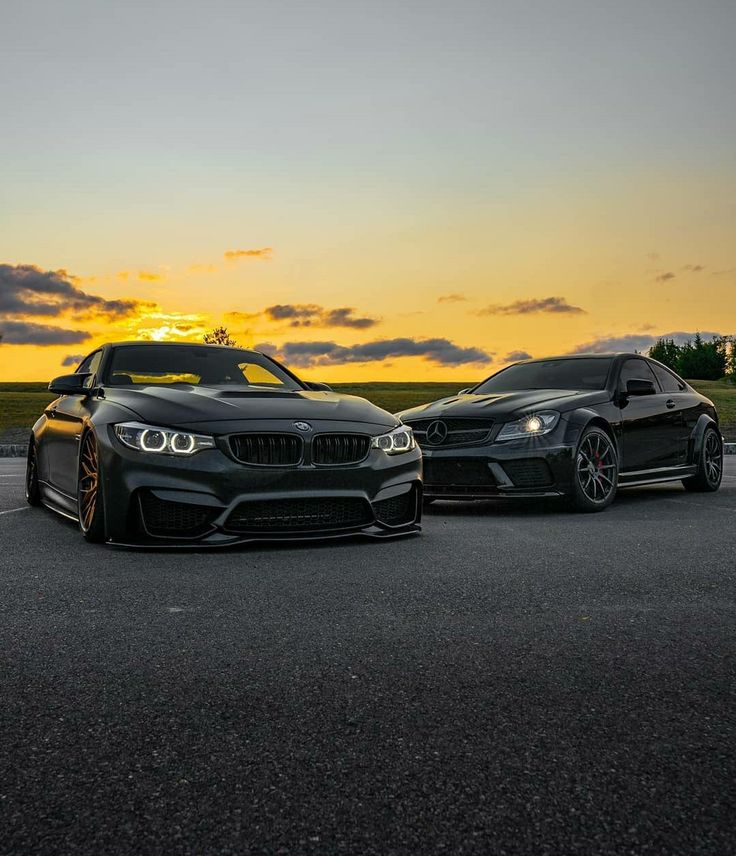
When comparing BMW versus Mercedes performance, the conversation quickly moves beyond simple horsepower figures. While both German manufacturers offer models that blur the line between grand tourer and sports car, the driving philosophies remain distinct. Understanding the nuanced differences in handling, power delivery, and chassis dynamics is essential for any enthusiast trying to choose between these luxury performance titans.
The Driving Dynamics Divide
At the heart of the BMW vs Mercedes faster debate lies a fundamental difference in suspension tuning and weight distribution. BMW has traditionally engineered its vehicles with a focus on rear-wheel drive bias and a near 50:50 weight distribution, creating a sense of balance and agility that feels almost telepathic through the steering wheel. Models like the M3 and M4 utilize a rear-wheel-drive layout that allows the rear end to step out subtly, rewarding driver confidence with a playful yet controlled experience. Mercedes, particularly with its flagship S-Class and GT models, often leans toward a more planted, stable feel, prioritizing a serene and composed ride that isolates the driver from road imperfections.
Power and Acceleration Showdown
In the raw sprint from a standstill, the comparison becomes a battle of engineering pedigrees. BMW’s M division engines, particularly the twin-turbocharged inline-6 found in the M3 and M4, are celebrated for their linear power curves and massive torque bands that push the car forward with relentless consistency. Mercedes-AMG counters with its legendary hand-built V8s, like the 4.0-liter biturbo unit found in the C63, which delivers explosive power and a thunderous exhaust note that shakes the cabin. While BMW often edges out Mercedes in quarter-mile tests with its lighter chassis and superior traction, the difference is marginal and often depends on tire compound and launch control calibration.


| Model | BMW M4 | Mercedes-AMG C63 |
|---|---|---|
| Engine | Inline-6 Turbo | V8 Turbo |
| Drivetrain | RWD / AWD | RWD / AWD |
| 0-60 mph | ~3.9 sec | ~3.8 sec |
The Role of Technology and Innovation
Modern performance cars rely heavily on electronic aids, and this is where the rivalry intensifies. BMW’s M xDrive system represents a sophisticated approach to all-wheel drive, able to send up to 100% of power to the rear wheels for optimal handling dynamics when the road demands it. Mercedes-AMG harnesses the brute force of its performance division heritage with systems like AMG Ride Control, which stiffens the suspension aggressively during hard acceleration. The debate over which technology makes the car faster is ongoing; BMW offers finesse, while Mercedes provides brute stability that inspires confidence on high-speed straights.
Design Language and Aerodynamics
Speed is not just about the engine; it is equally about how the air flows over and under the car. BMW’s recent generations, such as the G82 M4, feature aggressive front splitters and active grille shutters that tighten the airflow around the chassis, reducing drag while increasing downforce at high speeds. Mercedes-CLS-Class and E-Class AMG variants showcase a more flowing, elegant design that cuts through the wind with laminar efficiency. In wind tunnel testing, Mercedes has often held an edge in raw aerodynamics, but BMW’s commitment to lightweight materials like carbon fiber hoods and magnesium wheels helps offset this, contributing to a lower overall weight.


The Verdict on the Track
For the driver who views public roads as a personal racetrack, the BMW advantage becomes clear on twisting mountain roads and tight canyon passes. The direct steering feedback and responsive chassis turn the BMW into an extension of the driver's body, making it the faster choice for those who prioritize cornering speed and progression. However, on a long, high-speed autobahn or a smooth European highway, the Mercedes-AMG’s superior stability and comfort allow the driver to maintain higher average speeds with less fatigue, making it the faster choice for point-to-point journeys where consistency is key.
Ultimately, determining whether BMW or Mercedes is faster requires defining the context of the question. If the metric is lap times around a racetrack, the BMW M division holds a distinct advantage due to its handling prowess and driver engagement. If the metric is comfortable, high-speed cruising with minimal driver fatigue, the Mercedes-Benz S-Class or AMG GT might claim the title. Both brands offer breathtaking performance, but the choice depends entirely on whether the driver seeks the thrill of precision or the assurance of power.




Related Articles
Mercedes vs BMW: Which Luxury Sedan is Faster?
When evaluating performance sedans, the debate between Mercedes and BMW often centers on speed and driving dynamics. While both brands represent German...

2024 BMW 3 Series vs Mercedes C Class: Which Luxury Sedan Wins?
Choosing between the BMW 3 Series and the Mercedes-Benz C-Class for the 2024 model year is a decision that pits two of the most prestigious German sedans...
Which Mercedes Benz is Faster Than BMW M8? Speed Showdown
When comparing modern performance sedans, the question of which Mercedes-Benz is faster than the BMW M8 often leads enthusiasts to consider the pinnacle of...
Between Mercedes and BMW: Which Is Faster? The Ultimate Speed Showdown
When comparing performance metrics, the question between Mercedes and BMW which is faster rarely has a simple answer. The reality is that both German...
Mercedes vs BMW: Which Luxury Car Brand is Best?
Choosing between a Mercedes-Benz and a BMW is less a decision and more a statement of personal priority. Both German marques represent the pinnacle of...

Mercedes S560 vs BMW 750i: Ultimate Luxury Sedan Showdown
When comparing the Mercedes S560 and BMW 750i, you are looking at two of the most accomplished entries in the full-size luxury sedan segment. Both vehicles...