2007 BMW X3 Euro 4: The Ultimate Guide to Specs, Price & Performance
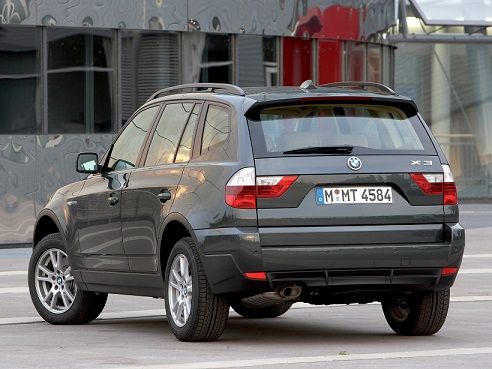
The 2007 BMW X3 represents a significant moment in the evolution of the luxury SUV segment, specifically within the context of European emissions regulations. For enthusiasts and buyers navigating the used market, understanding the nuances of the Euro 4-compliant version is essential. This model year marked the transition to stricter environmental standards across the continent, and the X3 was no exception. Owning one of these vehicles requires specific knowledge about its engineering and compliance status.
The Significance of Euro 4 Compliance
Euro 4 legislation, implemented in 2005 and fully phased in by 2007, drastically reduced permissible levels of nitrogen oxides (NOx) and particulate matter for diesel engines. For the BMW X3, this meant the introduction of sophisticated filtration systems and advanced combustion controls. The primary visual indicator of a 2007 BMW X3 Euro 4 model is the presence of a Diesel Particulate Filter (DPF) on the exhaust system. This component is critical for meeting the new standards and requires specific maintenance protocols to function correctly.
Engine Specifications and Performance
Under the hood, the 2007 model year offered a range of petrol and diesel options, but the Euro 4 designation is most relevant to the diesel variants. The 2.0d and 3.0d engines were common choices, producing respectable torque figures suitable for both urban driving and weekend getaways. The integration of the DPF affected the engine management system, necessitating a recalibration that optimized for lower emissions without sacrificing the responsive driving dynamics BMW is known for.


Maintenance Considerations for High Mileage
Maintaining a 2007 BMW X3 Euro 4 demands attention to specific components that are subject to rigorous regeneration cycles. The DPF requires periodic highway driving to burn off accumulated soot; short trips can lead to blockages and reduced performance. Furthermore, the AdBlue injection system, crucial for meeting Euro 6 standards in later models, was not present, simplifying the maintenance roster but placing importance on using the correct oil that complies with BMW Longlife-01 specifications to protect the diesel particulate filter.
- Monitor DPF warning lights immediately to avoid expensive repairs.
- Use high-quality diesel fuel to prevent injector clogging.
- Perform regular oil changes with manufacturer-approved synthetic oils.
- Inspect the exhaust system for leaks that could trigger emissions faults.
- Verify the functionality of the air suspension if equipped.
Interior Comfort and Technological Features
Inside the cabin, the 2007 X3 offers a blend of premium materials and ergonomic design that remains competitive today. The iDrive system, while now considered early-generation, provides intuitive control over navigation, audio, and climate settings. The available leather upholstery and wood trim contribute to a refined atmosphere, while the supportive seats ensure comfort during long drives, making it a practical choice for families and professionals alike.


Market Value and Investment Potential
When assessing a 2007 BMW X3 Euro 4, potential buyers should weigh the initial purchase price against the long-term costs of ownership. Models with higher service history transparency tend to retain value better. The rugged build quality and the brand prestige associated with BMW SUVs ensure that well-maintained examples continue to attract interest. However, factor in the depreciation curve for diesel vehicles and the potential costs associated with DPF replacement if the component has been poorly maintained.
Verifying the Specification
Confirming that a specific 2007 X3 complies with Euro 4 regulations is a straightforward process. The most reliable method is to check the vehicle's official documentation or the V5C registration certificate in the United Kingdom, where the emission standard is clearly stated. Alternatively, a visual inspection of the exhaust pipe near the manifold will reveal the DPF unit. For those looking to import or verify from other regions, consulting the original window sticker or the manufacturer's VIN database will provide definitive details regarding the emission package fitted at the factory.


Related Articles

2023 BMW X5 Hybrid: The Ultimate Guide to Specs, Price & Performance
Stepping behind the wheel of the 2023 BMW X5 Hybrid is an experience that bridges the gap between everyday practicality and engineering excitement. This...

2018 BMW 3 Series Hybrid: The Ultimate Guide to Specs, Price & Performance
The 2018 BMW 3 Series hybrid represents a significant moment in the evolution of BMW's iconic sedan line. This specific model year marked the brand's first...

2024 BMW 850i Coupe V12: The Ultimate Guide to Specs, Price & Performance
The BMW 850i Coupe stands as a definitive statement of 1990s engineering prowess and luxury, a model that effortlessly blends V12 power with a fluid...

BMW CKD 520D Euro III: The Ultimate Guide to Specs, Price & Availability
The BMW 520d Euro III represents a significant moment in the evolution of diesel-powered executive motoring. This specific iteration combines the brand's...

The Ultimate 2024 Hybrid BMW i3 Review: Specs, Price & Performance
The hybrid BMW i3 represents a fascinating evolution in the electric mobility narrative, bridging the gap between pure electric driving and the practicality of...

Toyota Corolla TwinCam: The Ultimate Guide to Specs, Performance & Upgrades
The Toyota Corolla Twincam represents a pivotal chapter in one of automotive history’s most successful stories, marking a significant evolution in the brand’s...