2007 BMW X3 Fuel Consumption: KM/L MPG City Highway油耗
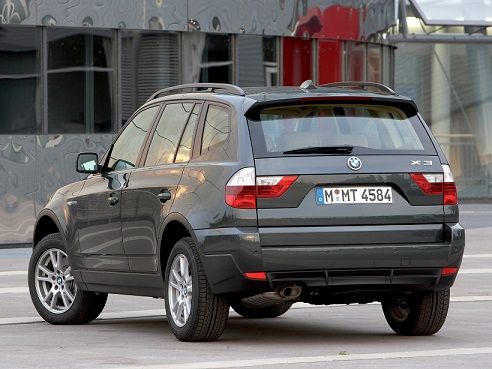
Examining the BMW X3 2007 fuel consumption km L provides crucial insight into the practical ownership of a luxury performance SUV from a pivotal era for the brand. This specific model year represents the first generation of the X3, combining premium driving dynamics with everyday usability, and understanding its fuel efficiency is essential for potential buyers. The data surrounding real-world consumption helps clarify the true cost of motoring this iconic vehicle beyond the headline figures provided by official testing cycles.
Official Efficiency Figures and Real-World Context
Manufacturers provide official fuel consumption data for the BMW X3 2007, but these numbers often represent ideal laboratory conditions that rarely translate to road driving. For the 2007 model year, depending on the specific engine variant—primarily the 2.5i and 3.0i inline-six options—official combined figures typically ranged between 8.5 to 9.5 liters per 100 kilometers. While this might suggest a conversion of roughly 11 to 13 km per liter, such figures are optimistic and serve more as a benchmark than a realistic expectation for daily driving.
Factors Impacting Consumption
The real BMW X3 2007 fuel consumption km L is influenced by a multitude of variables that extend far beyond the spec sheet. Driving style is perhaps the most significant factor; aggressive acceleration and high-speed cruising will invariably slash efficiency figures. Furthermore, the use of all-wheel drive (xDrive) systems, while enhancing traction and safety, inherently adds weight and drivetrain friction, reducing fuel economy compared to rear-wheel-drive competitors. Auxiliary features like climate control, audio systems, and electrical loads also contribute to the overall energy demand placed on the engine.


Engine Type and Drivetrain Configuration
Understanding the hardware under the hood is vital when analyzing the BMW X3 2007 fuel consumption km L. The available gasoline engines, particularly the N52 inline-six, were praised for their smoothness and power delivery but were not class leaders in terms of efficiency. The inherent design of a large inline-six, combined with the standard all-wheel-drive system, meant that the X3 consumed more fuel than a similarly sized rear-wheel-drive luxury coupe. Transmission choice, whether a five-speed automatic or a six-speed manual, also played a role, with manuals generally offering a slight advantage in optimized conditions.
Urban vs. Highway Driving Patterns
Splitting the BMW X3 2007 fuel consumption km L into urban and highway metrics reveals the stark differences between stop-start traffic and steady-state motoring. In congested city environments, consumption can easily rise to 12 liters per 100 kilometers or more, resulting in figures closer to 8 km per liter due to constant idling and low-speed operation. Conversely, maintaining a consistent 100 km/h on the highway allows the engine to settle into an efficient cruising range, potentially improving consumption to the 9-10 liter range, translating to approximately 9-11 km per liter.


Maintenance and Tire Pressure Relevance
Regular maintenance is a non-negotiable factor for anyone seeking to optimize the BMW X3 2007 fuel consumption km L. A poorly maintained engine, clogged air filter, or degraded oxygen sensor can lead to a noticeable drop in efficiency. Equally important is tire pressure; under-inflated tires create excessive rolling resistance, forcing the engine to work harder. Using the manufacturer-recommended tire pressures and adhering to the service schedule are simple yet effective ways to ensure the vehicle operates as efficiently as possible, preserving both fuel and engine health.
Comparative Analysis and Ownership Cost
Placing the BMW X3 2007 fuel consumption km L into perspective requires a comparison with its direct rivals from the late 2000s. Competitors like the Audi Q5 or Mercedes-Benz GLK-Class offered similar performance but often with differing efficiency outcomes, largely due to variations in transmission tuning and engine technology. For the owner, the cost of fuel directly impacts the total cost of ownership; a lower km L figure translates directly to higher operational expenses. Therefore, monitoring consumption over time serves as a diagnostic tool, indicating whether the vehicle is running optimally or requires attention.
Practical Tips for Improving Efficiency
- Adopt a smooth driving style, avoiding sudden throttle inputs.
- Utilize cruise control on highways to maintain a constant speed.
- Remove unnecessary roof racks or cargo when not in use to reduce drag.
- Combine errands into single trips to minimize cold-start driving.
- Use the recommended grade of motor oil to reduce internal friction.


Related Articles

2018 Toyota CHR Fuel Consumption: km/l MPG City Highway Test
The Toyota CHR 2018 has established itself as a compelling choice in the compact SUV segment, and for owners and potential buyers, understanding its...

Maximize Your Hyundai i10 Fuel Efficiency: Real-World km/l Performance & Savings
The Hyundai i10 continues to be a popular choice for drivers seeking a practical and efficient city car, and understanding its fuel economy is a primary...

2007 Toyota Tacoma Fuel Economy: MPG Ratings & Cost to Own
When examining the Toyota Tacoma 2007 fuel consumption, it is essential to understand the context of its era. This model year represents the peak of the second...

2007 BMW 750Li Fuel Consumption: MPG, Costs & Savings
Understanding the BMW 750Li 2007 fuel consumption is essential for any owner or prospective buyer of this legendary luxury sedan. While the promise of a...

Hyundai Kona Hybrid Fuel Consumption: Max km/L Savings & Real-World MPG
For the Hyundai Kona Hybrid owner or prospective buyer, understanding the real-world fuel consumption in km/l is the most direct way to measure the vehicle's...

2007 BMW 3 Series Fuel Consumption: MPG Guide & Real-World Data
Understanding the BMW 3 Series 2007 fuel consumption is essential for any owner or prospective buyer of this iconic luxury sedan. Manufactured during a...