2007 BMW X3 Gas Mileage: Real-World MPG Tips & Tricks
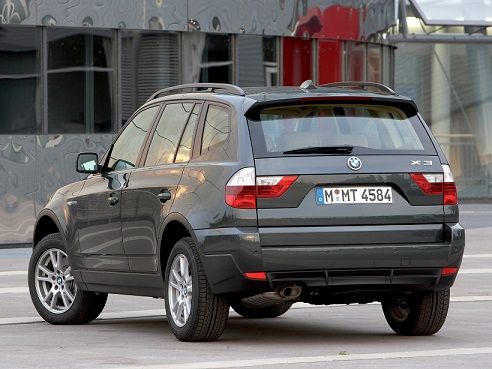
Understanding the real-world fuel efficiency of a 2007 BMW X3 requires looking beyond the official EPA estimates and considering how this luxury performance SUV was intended to be driven. While it shares its platform and core technology with the E83 X1, the X3’s more aggressive tuning, standard all-wheel-drive system, and larger engine displacement meant that owners should not expect hybrid-like economy. For the 2007 model year, the primary powertrain consisted of a 3.0-liter inline-six engine producing 215 horsepower, paired with a sophisticated six-speed manual or automatic transmission.
Official EPA Estimates and Real-World Expectations
According to the Environmental Protection Agency (EPA), the 2007 BMW X3 with the 3.0L engine was rated at 18 miles per gallon in the city and 24 miles per gallon on the highway, resulting in a combined average of 20 MPG. These figures assume optimal conditions, such as moderate speeds, gentle acceleration, and standardized break-in periods. In practice, owners who frequently utilize the available xDrive system, engage in spirited driving, or live in urban areas with heavy stop-and-go traffic will likely see numbers fall into the mid to high teens.
Factors Impacting Fuel Economy
The 2007 X3’s all-wheel-drive system, while a significant safety and traction advantage, adds substantial weight and mechanical complexity that reduces efficiency. Constant velocity (CV) axles and the transfer case introduce parasitic losses that the rear-wheel-drive X3 did not suffer from. Furthermore, the standard electronic stability control and the aggressive final gear ratio, designed for quick off-the-line performance, cause the engine to work harder, especially during low-speed cruising.


Driving Style and Maintenance Influence
Fuel efficiency for this model year is heavily dependent on driving behavior. The inline-six engine provides a linear power band that encourages higher RPMs to reach highway speeds; aggressive throttle inputs can quickly reduce mileage to single digits. Conversely, a relaxed driving approach, utilizing the cruise control on long stretches, and allowing the automatic transmission to upshift early can yield significantly better results.
- Tire pressure: Keeping tires inflated to the manufacturer's recommended levels reduces rolling resistance.
- Engine health: A clean air filter and fresh oil reduce friction and ensure optimal combustion.
- Weight: Removing unnecessary items from the trunk and cabin reduces the load the engine must move.
- Fuel grade: Using 91-octane premium fuel is recommended to prevent knocking and maintain performance.
Comparative Context
When compared to dedicated family crossovers of the era, the 2007 X3 is at a disadvantage. While a Toyota RAV4 or Honda CR-V returned mid-20s MPG, the X3’s focus on handling and power placed it below the 20 MPG mark in most scenarios. This is the trade-off enthusiasts accept: the X3 offers a more dynamic driving experience and a higher level of performance, which directly correlates with increased fuel consumption.


| Condition | Estimated MPG |
|---|---|
| City Driving | 16-19 MPG |
| Highway Driving | 23-26 MPG |
| Combined Average | 19-21 MPG |
Owning a 2007 BMW X3 is often about the driving experience as much as the destination, and understanding these nuances helps set realistic expectations. While the gas mileage may not win any efficiency awards, it remains competitive within the niche of used luxury performance SUVs from that era.


Related Articles

Maximize Your 2010 Toyota Camry Gas Mileage: Tips & Tricks
For the 2010 model year, the Toyota Camry maintained its status as a top-tier sedan by offering a compelling blend of reliability, comfort, and efficiency...

Toyota Rav4 Gas Mileage Canada: Max MPG Tips & Real-World Reviews
Understanding the Toyota RAV4 gas mileage in Canada is essential for any driver looking to balance performance, cost, and environmental impact. This compact...

2012 Toyota Camry LE Gas Mileage: Real-World MPG Test & Tips
When evaluating the 2012 Toyota Camry LE, fuel efficiency immediately emerges as one of its defining strengths. As gasoline prices continue to fluctuate and...

2010 Toyota RAV4 Sport Gas Mileage: Tips & Tricks
Examining the Toyota RAV4 Sport from 2010 specifically for its gas mileage provides insight into the practicality of this compact SUV during its generation...

Maximize Gas Mileage 2004 Toyota Sequoia: Tips & Tricks
Owning a 2004 Toyota Sequoia offers the distinct advantage of hauling substantial capability without the industrial aesthetic of work trucks. This full-size...

2023 BMW X6 Gas Mileage: Tips & Tricks to Maximize MPG
Understanding the 2023 BMW X6's gas mileage requires looking at the specific configuration and driving conditions, as this performance-oriented luxury coupe...