2007 BMW X3: Specs, Price, & Performance Review
The 2007 BMW X3 represents a pivotal moment in the evolution of the luxury compact SUV segment, establishing a benchmark for driving dynamics within a class often dominated by softer-handling competitors. As a second-generation model, it refined the rugged capabilities of its predecessor, blending German engineering with a more refined interior and sophisticated all-wheel-drive system. This specific year offers buyers an appealing combination of mature design, proven technology, and accessible pricing in the used market.
The Design and Engineering Philosophy
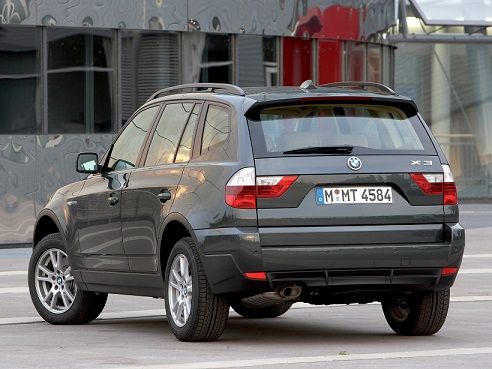
Unlike its boxier predecessor, the 2007 X3 adopted a more aggressive and aerodynamic profile, aligning its aesthetic with the core BMW design language of the era. The front fascia, characterized by the iconic kidney grille and sharp, angular headlights, signaled a departure from the more utilitarian looks of the 2003 model. This evolution was not merely cosmetic; it was driven by a focus on aerodynamics, which contributed to improved efficiency and a quieter cabin at higher speeds, enhancing the premium feel expected from the brand.
Performance and Handling
Under the hood, the 2007 model year provided a strong foundation that cemented the X3’s reputation as the "driver's SUV." Available engines ranged from the efficient inline-four to the more powerful inline-six, mated to either a smooth 6-speed manual or the advanced 6-speed automatic with Steptronic logic. The standout feature, however, remained the xDrive all-wheel-drive system, which seamlessly distributed power between the front and rear wheels. This, combined with the near-perfect 50/50 weight distribution inherited from the 3 Series, delivered responsive steering and confident cornering that felt more like a sedan than an SUV.


Interior Comfort and Technology
Entering the 2007 BMW X3 reveals an interior that successfully balances sportiness with luxury. While the center console leans heavily toward the driver, the cabin is wrapped in high-quality materials, including supple leather and durable yet elegant plastics. The seating position offers excellent visibility and a commanding view of the road, while the available power seats provide ample support for long journeys. The integration of iDrive, though revolutionary for its time, was already a hallmark of the cabin, allowing driver to manage navigation, audio, and climate controls with intuitive rotary controller and menu-driven display.
- Key Interior Features: Available leather upholstery, ambient lighting, and premium Bose sound system.
- Driver Assistance: Features like Dynamic Stability Control (DSC) and Active Protection System were standard or optional, enhancing safety without compromising the engaging drive.
- Cargo Space: Despite the performance-oriented chassis, the hatchback-style rear opening provided generous and flexible cargo capacity for the class.
Reliability and Ownership Considerations
Owning a 2007 BMW X3 today is a rewarding experience for enthusiasts who appreciate German engineering and are willing to maintain the vehicle properly. While the iDrive system and complex electronics require a basic understanding, the mechanicals are generally robust. The available all-wheel-drive system is a major asset in various weather conditions, providing traction that rivals dedicated winter vehicles. Regular maintenance on the N52 engine and attention to the VANOS system are key to ensuring longevity.


Market Position and Value
In the current used car market, the 2007 BMW X3 occupies a sweet spot for many buyers. It offers the presence and performance of a premium brand at a significantly lower entry point than newer models. Compared to German rivals like the Audi Q5 (2007) or the Mercedes-Benz GLK-Class (introduced later), the X3 stands out for its more engaging driving dynamics. This combination of usability, performance, and value makes it a highly sought-after model among pre-owned luxury SUV shoppers.
For the driver who prioritizes involvement over passive comfort, the 2007 BMW X3 remains a compelling choice. It successfully merges the practicality of an SUV with the handling precision of a sports sedan, proving that the core BMW driving experience can thrive in any segment. Its dated technology becomes part of its charm, offering a direct connection to the brand's heritage of performance without the complexity of modern infotainment overload.




Related Articles

The Ultimate 2024 Hybrid BMW i3 Review: Specs, Price & Performance
The hybrid BMW i3 represents a fascinating evolution in the electric mobility narrative, bridging the gap between pure electric driving and the practicality of...

2013 BMW 5 Gran Turismo: Specs, Price, & Performance Review
The 2013 BMW 5 Gran Turismo represents a fascinating and often misunderstood chapter in the Bavarian brand's history. Positioned as a four-seater coupe with a...

2024 BMW R 1100 GS Review: Price, Specs & Adventure Performance
The BMW R 1100 GS stands as a landmark motorcycle in the adventure touring segment, representing a peak of refinement in the GS lineage. This machine is more...

2026 BMW F900R Review: Latest Price, Specs & Performance
2026 BMW F900R represents the evolution of a proven formula, marrying the brand's legendary inline-twin character with a suite of modern riding aids. As the...

2022 BMW 3 Series Gran Limousine 330Li Luxury Line: Specs, Price & Review
The 2022 BMW 3 Series Gran Limousine 330i Luxury Line represents the pinnacle of sedan practicality and executive luxury, seamlessly blending the athletic DNA...

2025 Toyota Land Cruiser 1958 Gas Type: Specs, Price & Review
Examining the 2025 Toyota Land Cruiser 1958 gas type requires separating historical reverence from modern reality, as the specific model year and fuel type...