2010 BMW X3: Your Ultimate Guide to Owning a Reliable Luxury SUV
The BMW X3 from 2010 represents a pivotal moment in the evolution of the luxury compact SUV, arriving at a time when the segment was rapidly shifting from niche curiosity to mainstream status. This specific model year sits at the intersection of the original X3's proven formula and the significant updates introduced with the E84 generation, which debuted for the 2010 model year. It is a vehicle that balances the rugged appeal of an all-weather machine with the refined expectations of the BMW driving experience, offering a compelling blend of capability, comfort, and performance that remains relevant in the used market today.
The E84 Generation: A Defining Era
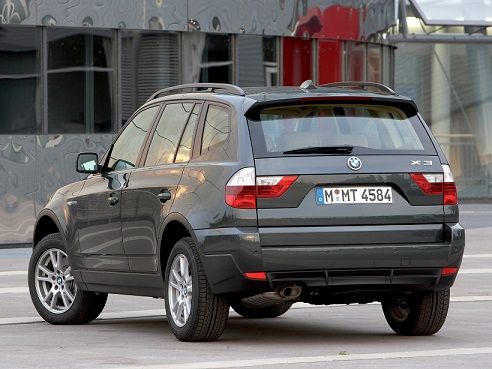
The 2010 BMW X3 belongs to the second generation (codename E84), which arrived to address the limitations of its predecessor. Unlike the first-generation model, the E84 platform was developed jointly with the 1 Series (E87), resulting in a more sophisticated chassis and improved dynamics. This shift marked a departure from the more truck-like stance of the original X3, giving the 2010 model a sportier, more integrated proportion. The design language was more aggressive and cohesive, featuring the distinctive BMW kidney grille and smoother lines that flowed into the rear, enhancing both aesthetics and aerodynamics.
Performance and Driving Dynamics
Under the hood, the 2010 X3 continued BMW's commitment of delivering engaging performance alongside everyday practicality. The available powertrain lineup typically featured the reliable BMW N54 inline-six turbocharged engine, producing robust power output that propelled the vehicle with effortless authority. This was paired with BMW's signature xDrive all-wheel-drive system, which intelligently distributes power between the front and rear wheels. The result is a driving experience that feels planted and responsive, whether navigating city streets or tackling winding back roads, staying true to the brand's "Ultimate Driving Machine" ethos even within the SUV format.


Interior Comfort and Technology
Step inside the 2010 BMW X3, and you are greeted by a cabin that exudes quality and driver-focused ergonomics. The use of premium materials, such as supple leather, brushed aluminum accents, and beautifully finished plastics, creates an atmosphere of sophisticated durability. The front seats offer excellent support, and the overall cockpit layout places all essential functions within easy reach of the driver. While the central console may present a learning curve for some, the integration of iDrive—the brand's intuitive control system—allows for seamless management of the audio, navigation, and climate controls, showcasing BMW's commitment to high-tech convenience.
Safety and Practicality Features
Beyond performance and luxury, the 2010 X3 was well-equipped to handle the practical demands of family life and daily commuting. The rear seating provides decent legroom for two adults, making it a viable option for small families or those who frequently transport passengers. The load area benefits from a wide opening and a flat floor, simplifying the task of loading groceries, luggage, or sports equipment. On the safety front, the model came standard with a robust suite of features, including stability control, multiple airbags, and advanced braking systems, providing peace of mind for drivers in various conditions.


Owning a 2010 BMW X3 today offers a unique entry point into the world of premium German engineering without the latest price tag. The vehicle represents a mature design with proven mechanicals, meaning many potential issues associated with newer, more complex electronics have been ironed out over the years. For the discerning buyer, it presents an opportunity to experience the genuine sporty handling, luxurious interior, and versatile functionality that BMW pioneered in the luxury SUV segment, making it a enduring choice for those who value driving dynamics and character.




Related Articles

Toyota Celsior Europe: The Ultimate Guide to Finding Your Perfect Luxury Sedan
The Toyota Celsior represents a fascinating chapter in automotive history, particularly for enthusiasts in Europe. Often viewed as the luxurious counterpart to...

Brooklyn Grey BMW G20: The Ultimate Guide to Owning the Iconic Luxury Sedan
The Brooklyn grey BMW G20 represents a convergence of urban sophistication and driving precision. This specific colorway, often referred to as Brooklyn Grey...

Is the BMW E46 M3 Reliable? The Ultimate Guide to Owning the Iconic Sports Car
The BMW E46 M3 is often met with a decisive yes when asked about its reliability. This specific generation of the legendary 3 Series, produced from 2000 to...

The Most Reliable E46 BMW: Ultimate Guide to Owning a Legendary M3
When enthusiasts search for the most reliable E46 BMW, they are often looking for a blend of engaging driving dynamics and long-term ownership peace of mind...

Toyota for Expatriates: Your Ultimate Guide to Reliable Vehicles
For expatriates navigating life abroad, selecting the right mode of transportation is rarely just about getting from point A to point B; it is a critical...

Boston Green BMW Z3: Your Ultimate Guide to Owning the Iconic E36/7
The Boston Green BMW Z3 represents more than just a car; it is a statement of individuality and a nod to the model’s storied racing heritage. This specific...