2024 Hyundai SUVs: Spot the All-New Models & Specials
The latest generation of Hyundai SUVs represents a significant leap forward for the Korean manufacturer, blending bold design with refined engineering. These models are positioned to compete aggressively in a crowded market by offering a compelling mix of technology, comfort, and value. For buyers, this means access to vehicles that feel modern without being overly experimental. This overview explores the core attributes that define the current Hyundai SUV lineup.
Design and Exterior Evolution
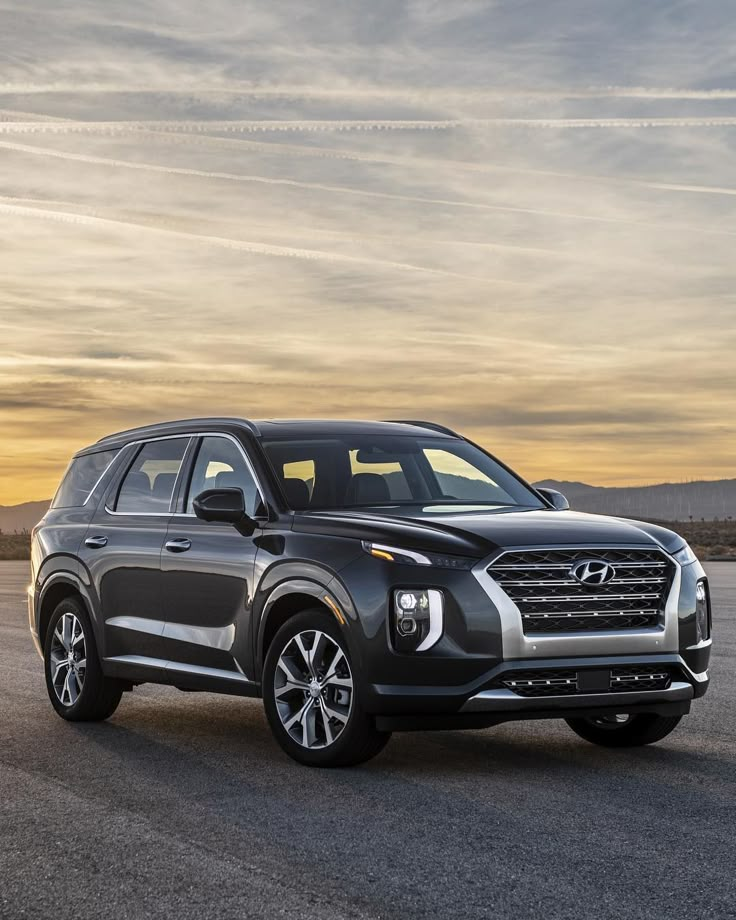
Hyundai has fully embraced its sleek, modern aesthetic with the new SUVs, moving away from the quirky styling of previous generations. The front fascias feature the signature cascading grille, which creates a sense of depth and sophistication. Headlights are more integrated and sharp, giving the vehicles a wide-awake and premium appearance even in base trims.
Side profiles are characterized by high beltlines and muscular wheel arches, hinting at the capability beneath the surface. The decision to offer these models with sleek rooflines rather than boxy shapes improves aerodynamics and gives them a more coupe-like appeal. This shift attracts younger buyers who prioritize style without sacrificing passenger space.


Interior Quality and Technology
Inside, the shift is equally impressive, focusing on driver-centric ergonomics and high-quality materials. Soft-touch plastics are now reserved for upper door panels, while the dashboards feature clean lines and digital displays. The centerpiece of the cabin is often a large, portrait-oriented touchscreen that controls navigation, audio, and vehicle settings with intuitive logic.
Drivers benefit from excellent visibility and supportive seats that provide ample bolstering during spirited runs. The integration of wireless charging and advanced connectivity ensures that the cabin feels like a tech hub rather than a simple rolling room. Ambient lighting and premium acoustic packages are available to elevate the sensory experience further.


Performance and Driving Dynamics
Power delivery is a strong suit in the new Hyundai SUVs, with engines tuned for immediate response rather than lagging efficiency. Turbocharged four-cylinder units provide a sweet spot between power and fuel economy, making highway merging effortless. Transmission shifts are quick and confident, contributing to an engaging driving experience that rivals more expensive European brands.
For those seeking enhanced control, available all-wheel-drive systems distribute torque intelligently between axles. This setup improves traction in adverse weather conditions and adds confidence during cornering. The suspension strikes a balance between comfort and firmness, absorbing road imperfections while maintaining a planted feel.
Safety and Advanced Driver Assistance
Safety is a cornerstone of the Hyundai philosophy, and the new SUVs come packed with standard advanced driver assistance systems. Features like forward collision-avoidance assist, blind-spot monitoring, and lane-keeping assist work seamlessly to reduce driver fatigue. These systems are calibrated to be intrusive only when necessary, preserving a relaxed journey.


The robust chassis structure earns top marks from safety rating agencies, providing peace of mind for families. Emergency braking systems are designed to detect pedestrians and cyclists, expanding the scope of protection beyond just vehicle occupants. This comprehensive approach to safety makes these models some of the safest in their class.
Value and Market Position
One of the most compelling arguments for choosing a Hyundai SUV is the value proposition. Competitors in this segment often charge significantly more for similar levels of equipment and performance. Hyundai offers generous warranty packages and transparent pricing, which reduces the stress of ownership from day one.
| Key Segment | Hyundai Competitive Edge |
|---|---|
| Compact SUVs | |
| Midsize SUVs |
Fuel efficiency is another area where these vehicles excel, particularly in the midsize segment where rivals often prioritize power over economy. The combination of a efficient powertrain and lightweight construction results in numbers that are impressive for their class. This translates to real-world savings at the pump that offset the initial purchase price over time.




The resale market for these models is also strengthening, with demand remaining steady due to brand reliability. Buyers who plan to sell after a few years will appreciate the minimal depreciation compared to competitors. This long-term value is a critical factor for cost-conscious shoppers.
Target Audience and Final Thoughts
These SUVs are ideal for the practical buyer who refuses to compromise on style or technology. They appeal to professionals who need a reliable daily driver with a touch of luxury. Families will find the flexibility and safety features align perfectly with their needs, offering peace of mind on every trip.
Ultimately, the new Hyundai SUVs challenge the status quo by delivering European-level sophistication at a Korean price. They force the competition to up their game, which benefits the consumer. For those in the market, a test drive is highly recommended to experience the blend of performance and refinement firsthand.
Related Articles

2024 Hyundai Models: Latest Cars, SUVs & Prices
The automotive landscape is in a state of constant evolution, and Hyundai has been at the forefront of this transformation. The new Hyundai models arriving on...

2024 Hyundai Black Car: Sleek Models & Best Deals
The Hyundai black car has become a symbol of understated elegance and modern sophistication in the automotive world. While Hyundai is often praised for its...

2024 Hyundai Camioneta Minivan: Best Value SUVs & Crossovers
For families and adventurers seeking a vehicle that merges practicality with modern capability, the search often leads to the versatile camioneta minivan...

2024 Hyundai Work Truck: Top Models, Towing Capacity & Pricing
When evaluating commercial vehicles for demanding daily operations, the Hyundai Work Truck lineup presents a compelling case for logistics managers and small...
2024 Hyundai Car Models: Latest Prices, Specs & Reviews
Hyundai has cemented its reputation as a powerhouse in the global automotive market, offering a diverse lineup that balances innovation, value, and driving...

2024 Hyundai 5-Seater SUVs: The Best Value In Crossovers
For families and adventure-seekers looking for a blend of comfort, capability, and technology, Hyundai’s 5-seater SUV lineup presents a compelling case. These...