BMW 1 Series Car Seat Cover: Perfect Fit, Easy Install
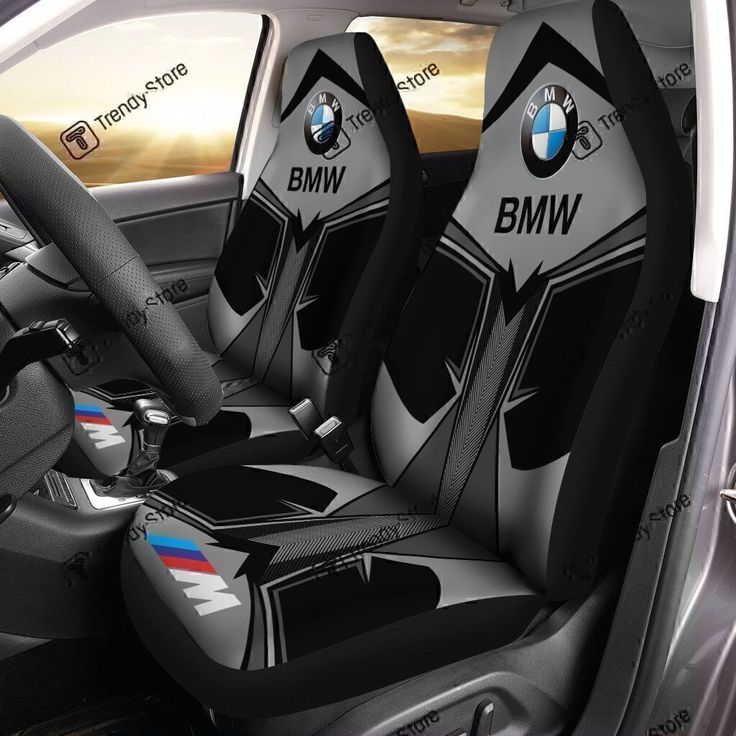
Finding the right car seat cover for BMW 1 Series owners is about more than just aesthetics; it is a strategic decision that protects a significant investment. The interior of a 1 Series is a carefully crafted environment of sport seats, premium leather or synthetic materials, and driver-focused ergonomics. A dedicated cover must complement this design while providing a barrier against daily wear, accidental spills, and the harsh sun that can fade interior plastics.
Why the BMW 1 Series Presents Unique Challenges
The compact sport design and high driving position of the 1 Series create specific requirements for seat protection. The front seats feature pronounced bolsters and side bolstering that is integrated into the seat shell, making standard universal covers a frustrating mismatch. Drivers often report that ill-fitting fabric bunches up against the side support, compromising both comfort and the protective function. Furthermore, the rear seats, while compact, often have a curved backrest that requires precise patterning to stay in place without constant adjustment.
Model Specificity is Key
It is essential to distinguish between models like the F20, F21, and F40 generations, as slight variations in seat shape, headrest geometry, and harness routing can render a cover incompatible. For instance, models equipped with the hexagonal steering wheel or specific center console trim require cutouts that align perfectly to avoid interfering with controls. Investing in a cover designed specifically for the year and trim of your 1 Series ensures that all anchors, zippers, and adjustments function as intended without compromising the factory ergonomics.


Material Choices and Performance Benefits
When comparing protective solutions, the choice of material dictates the longevity and daily usability of the cover. Car seat cover for BMW 1 Series are available in various textiles, ranging from breathable mesh to rugged synthetic leathers. Performance velvet and Alcantara mimics offer a tactile luxury that mirrors the premium feel of the stock upholstery, while water-resistant polymers provide the highest level of defense against wet clothing or spilled coffee. The right material balances sensory experience with practical durability, ensuring the covers look new long after the warranty expires.
Leather and Suede Alternatives
For drivers who desire to maintain the upscale cabin ambiance, covers made from synthetic leather (PU or PVC) provide a cost-effective way to refresh the interior. These materials are easy to wipe down with a damp cloth, making them resistant to dirt accumulation that can permeate porous natural leather. However, those seeking the soft, hand-feel of factory suede might opt for microfiber or chenille blends. These fabrics offer a snug, stretchy fit that conforms to the bolsters of the front seats, though they require gentle cleaning to preserve the nap.


Installation and Fitment Best Practices
Achieving a clean, OEM-like appearance requires attention to the installation process. Most high-quality covers utilize a combination of seat hooks, bottom straps, and elastic hems to secure the fabric. It is recommended to install the cover with the seat cushion in its furthest rear position to ensure the tension on the strap does not pinch the upholstery when the seat is moved forward. Patience during this stage prevents wrinkles around the bolster and ensures the headrest cover integrates smoothly with the main shell.
Maintaining Your Investment
Proper maintenance extends the life of the cover and keeps the cabin looking sharp. Machine washable fabrics offer the convenience of deep cleaning at home, but air drying is crucial to prevent shrinkage or heat damage to the stitching. For leather-look covers, a simple wipe down with a specialized cleaner helps maintain the sheen and prevents cracking. Regularly checking the tension of the straps and the alignment of the anchor points ensures the cover remains securely in place through countless drives.




Related Articles

2024 Toyota RAV4 Hybrid Seat Covers: Perfect Fit & Easy Install
Owning a 2024 Toyota RAV4 Hybrid places you among the ranks of drivers who value intelligent design, efficiency, and capability. This specific model, with its...

Toyota Direct Injector Seal Tool – Easy Install & Perfect Fit
For technicians working on Toyota's latest generation of direct-injected engines, the Toyota Direct Injector Seal Tool represents far more than just another...

2024 BMW X3 Driver Side Floor Mat - Perfect Fit & Easy Install
For the BMW X3 owner, the driver side floor mat is far more than a simple piece of rubber or carpet; it is a fundamental component of the vehicle's interior...

2023 Hyundai Sonata Bumper: Durable, Easy Install & Perfect Fit
Finding the right bumper for your 2023 Hyundai Sonata is about more than just aesthetics; it is a critical decision for protecting your investment and...

2002-2006 BMW E46 Convertible Headliner Replacement: Easy DIY Install & Perfect Fit
Driving your BMW E46 with the top down is an experience unlike any other, but a sagging or worn headliner can quickly turn that enjoyable ride into an...

2023 Toyota Corolla Engine Cover - Durable Fit & Easy Install
Protecting the heart of your 2023 Toyota Corolla is more than an aesthetic choice; it is a fundamental part of responsible vehicle ownership. The engine cover...