How to Change the Key Fob Battery in Your Toyota Corolla: Easy Step-by-Step Guide
For Toyota Corolla owners, the key fob is the silent guardian of both convenience and security. When the device begins to fail, with a weakened signal or inconsistent button response, the immediate question is often about the change key fob battery toyota corolla. Understanding the specific procedure for your model year ensures you maintain the integrity of your vehicle's access and ignition systems without unnecessary hassle.
Identifying the Correct Battery for Your Fob
The first step in the process of change key fob battery toyota corolla is determining the correct power source. Most modern Toyota key fobs utilize a standard CR2032 3V lithium coin battery. However, it is critical to verify this before opening the case, as some older models or specific variants might use different specifications. Always refer to your owner's manual or the old battery itself for the exact model number to ensure compatibility and prevent damage to the sensitive electronics inside the fob.
Step-by-Step Replacement Procedure
Once you have the correct CR2032 battery, the physical process is straightforward. Locate the small hidden seam on the back of the key fob, typically opposite the button side. Using a flathead screwdriver or a coin, gently twist along this seam to pop the casing open. Carefully separate the two halves, noting the orientation of the internal components. When performing the change key fob battery toyota corolla, you will see a small plastic holder securing the battery; simply release this, remove the old cell, and insert the new one with the positive side facing up.


Mechanical Key Extraction
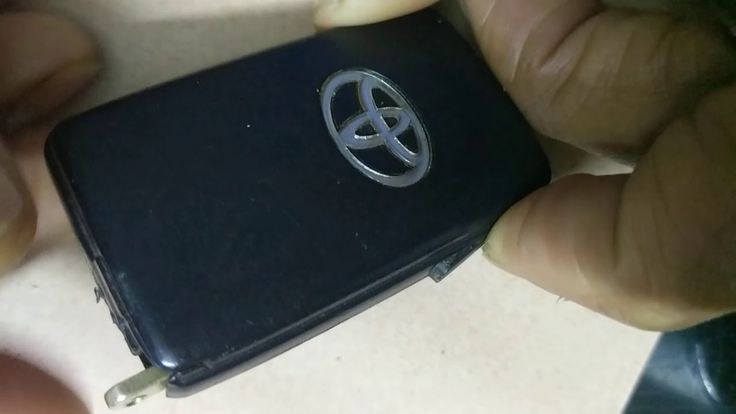
Before accessing the battery, you must safely remove the mechanical key hidden within the fob. Look for a button or switch on the back of the remote. Pressing this will eject the physical key, allowing you to separate it from the electronic shell. This step is vital for the change key fob battery toyota corolla process, as it provides the necessary clearance to open the fob body and prevents any strain on the internal wiring or springs during disassembly.
Common Symptoms of a Failing Key Fob
Recognizing the signs of a dying battery can save you from being locked out of your Toyota Corolla. The most common indicators include a reduced range where the doors do not unlock until the fob is very close to the car, inconsistent locking or unlocking, and a complete failure to lock or unlock the doors at all. If the panic button or trunk release responds weakly, it is almost certainly time to perform the change key fob battery toyota corolla task, which will restore full functionality immediately.


Preserving Battery Life and Mechanism
To extend the life of the new battery and the fob itself, handle the device with care. Avoid dropping the fob or exposing it to extreme temperatures, as heat can significantly degrade lithium batteries. When storing the fob for extended periods, remove the battery if possible, or at least ensure the buttons are not being pressed accidentally. Regularly checking the battery voltage with a multimeter can also help you catch a decline before total failure occurs during a critical moment.
Programming and Reset Considerations
Fortunately, replacing the battery in a Toyota Corolla key fob rarely requires reprogramming. The device typically maintains its internal logic and security codes as long as the memory is not completely drained. However, if you find that the car does not recognize the fob after the change key fob battery toyota corolla procedure, a simple reset is usually all that is needed. This can often be done by inserting the newly programmed key into the ignition and turning it to the "On" position multiple times, following the specific sequence outlined in your vehicle's manual.
Cost-Effective Solutions vs. Professional Service
Performing the change key fob battery toyota corolla operation at home is a cost-effective alternative to visiting a dealership or locksmith. The price of a new CR2032 battery is minimal compared to the labor fees charged by professionals. By doing it yourself, you maintain control over the quality of the parts used and avoid the downtime associated with scheduling an appointment. It is a simple maintenance task that puts the power of vehicle maintenance directly in your hands.




Related Articles
How to Change Battery in Your Toyota CHR Key Fob: Easy Step-by-Step Guide
Replacing the battery in your Toyota CH-R key fob is a straightforward process that ensures your remote entry system continues to function without...

How to Change a Car Battery for a Toyota Corolla: Easy Step-by-Step Guide
Replacing the battery in your Toyota Corolla is a straightforward maintenance task that can save you both time and money. Whether you are facing a slow crank...
How to Change Key Fob Battery for Toyota Corolla: Step-by-Step Guide
For the Toyota Corolla owner, the key fob is more than a piece of plastic; it is the digital handshake that grants access and starts the engine. When the...
How to Change Your Toyota Key Battery: Easy DIY Guide
Replacing the battery in your Toyota key fob is a straightforward process that saves time and money compared to a dealer visit. Modern Toyota key fobs, whether...
How to Change Key Fob Battery Toyota GR86: Quick & Easy Guide
Changing the key fob battery in your Toyota GR86 is a straightforward maintenance task that ensures you never get locked out unexpectedly. This simple...
How to Replace the Battery in a 2015 Toyota Camry Key Fob: Easy Step-by-Step Guide
For the 2015 Toyota Camry owner, the key fob is more than a piece of plastic; it is the digital bloodline to your vehicle. When the reassuring chirp of the...