Electric Car Toyota Camry: The Ultimate Guide to Buying & Owning
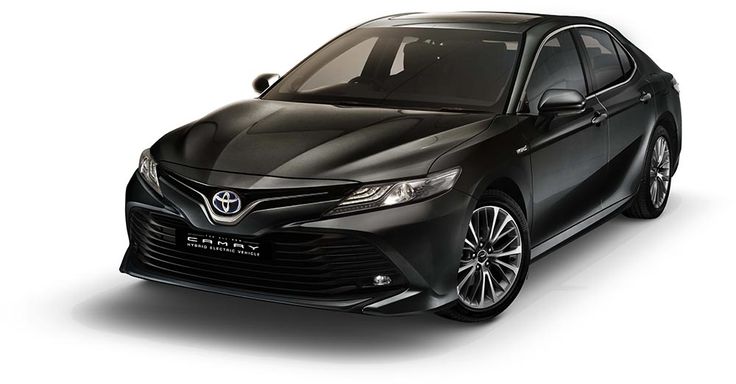
The intersection of iconic automotive design and sustainable innovation is exemplified by the electric Toyota Camry. While the traditional gasoline-powered Camry has long been a staple of the American automotive landscape, the emergence of electric variants signals a significant shift in how this beloved sedan addresses performance, efficiency, and environmental consciousness.
The Genesis of an Electric Icon
Toyota's approach to the electric Toyota Camry is not a sudden pivot but a calculated evolution of a proven platform. The company has historically been a pioneer in hybrid technology, and this expertise serves as the foundation for their transition to full electrification. By leveraging the Camry's established architecture, engineers can focus on optimizing the electric powertrain, aerodynamics, and interior space, creating a vehicle that feels both familiar and futuristic. This strategy allows Toyota to maintain the Camry's reputation for reliability while meeting the growing consumer demand for zero-emission vehicles.
Performance and Driving Dynamics
One of the most significant advantages of an electric Toyota Camry is the immediate torque delivered by its electric motor. This translates to a driving experience characterized by smooth, linear acceleration and responsive throttle control. Unlike conventional engines, electric motors operate virtually silently, creating a serene cabin environment that allows for enhanced focus on the road. The low center of gravity, thanks to the floor-mounted battery pack, also improves handling and stability, making the electric variant feel planted and confident through corners.


- Instant torque delivery for rapid acceleration.
- Reduced cabin noise resulting in a tranquil ride.
- Improved weight distribution enhancing cornering stability.
- Regenerative braking systems that convert kinetic energy back into stored charge.
Efficiency and Range Capabilities
For many potential buyers, the concern of range anxiety remains a primary consideration. The latest electric Toyota Camry addresses this issue with high-capacity battery packs that offer competitive range estimates, often exceeding 300 miles on a single charge. Advanced battery management systems ensure optimal charging cycles and longevity, mitigating degradation over time. Furthermore, the vehicle's aerodynamic profile and use of lightweight materials contribute to maximizing energy efficiency, allowing drivers to cover greater distances with less energy consumption.
Charging Infrastructure and Convenience
The practicality of owning an electric Toyota Camry is significantly bolstered by the expansion of charging infrastructure. The vehicle is compatible with Level 1, Level 2, and DC fast charging networks, offering flexibility for various scenarios. A standard home outlet provides a convenient overnight charging solution, while dedicated home chargers can drastically reduce refueling times. Public fast chargers, increasingly available along highways and in urban centers, can replenish a significant portion of the battery in a matter of minutes, making long-distance travel increasingly feasible.


| Charging Level | Typical Use Case | Estimated Charging Time |
|---|---|---|
| Level 1 (120V) | Home overnight charging | Up to 24 hours |
| Level 2 (240V) | Home or workplace daily charging | 4-8 hours |
| DC Fast Charging | Highway rest stops or public stations | 30-60 minutes |
Interior Innovation and Sustainability
The interior of the electric Toyota Camry is a testament to modern automotive design, prioritizing both driver engagement and passenger comfort. The dashboard likely features a large digital display that consolidates vehicle information, navigation, and entertainment controls into an intuitive interface. Physical buttons for critical functions ensure ease of use without relying solely on touchscreens. Sustainable materials, such as recycled plastics and vegan leathers, are increasingly incorporated, aligning with Toyota's broader commitment to environmental responsibility.
Safety and Technological Integration
Safety remains a cornerstone of the Toyota ethos, and the electric Camry is no exception. It is expected to come equipped with the latest Toyota Safety Sense suite, featuring adaptive cruise control, lane departure warning, automatic emergency braking, and pedestrian detection. The integration of vehicle-to-grid (V2G) technology is also a possibility, allowing the car's battery to act as a power source for home electronics during outages or to feed energy back into the grid during peak demand periods.
The Financial Perspective
While the initial purchase price of an electric Toyota Camry may be higher than its gasoline counterpart, the long-term financial benefits are substantial. Drivers can expect significant savings on fuel costs, as electricity is generally cheaper than gasoline on a per-mile basis. Maintenance costs are also typically lower, given the reduced number of moving parts compared to a traditional internal combustion engine. Federal, state, and local tax incentives and rebates can further offset the upfront investment, making the total cost of ownership competitive with or lower than conventional vehicles.


Ultimately, the electric Toyota Camry represents a harmonious blend of trusted engineering and progressive technology. It offers a compelling proposition for consumers seeking the comfort and familiarity of a mid-size sedan while actively participating in the transition to a cleaner transportation future.


Related Articles

Toyota FJ Cruiser UK: The Ultimate Guide to Buying and Owning
The Toyota FJ Cruiser UK presence is a fascinating study in contrasts. While the iconic SUV was never officially sold through UK Toyota dealerships, its legend...

Toyota Land Cruiser Canada: The Ultimate Guide to Buying and Owning in 2024
The Toyota Land Cruiser in Canada represents more than just a mode of transportation; it is a statement of rugged capability and enduring legacy. For decades...

Toyota Camry: The Ultimate 2024 Review & Buying Guide
The Toyota Camry stands as one of the most recognizable and dependable sedans in automotive history, representing a cornerstone of the Toyota brand identity in...

2007 Toyota Camry: The Ultimate Guide to Owning a Reliable Sedan
The 2007 Toyota Camry represents a pivotal moment in the sedan’s history, marking the transition to the more refined and globally inspired design that defined...

Toyota FJ Cruiser USA: The Ultimate Guide to Buying and Owning
The Toyota FJ Cruiser remains an enduring icon in the American automotive landscape, blending nostalgic design with genuine off-road capability. Introduced...

Toyota Lander Courtesy Bus: The Ultimate Guide to Buying & Owning
The Lander Toyota Courtesy Bus represents a vital piece of transportation infrastructure for large-scale events, offering a seamless way to move groups between...