BMW vs Mercedes Benz: Which Luxury Car is Worth the Expensive Price?
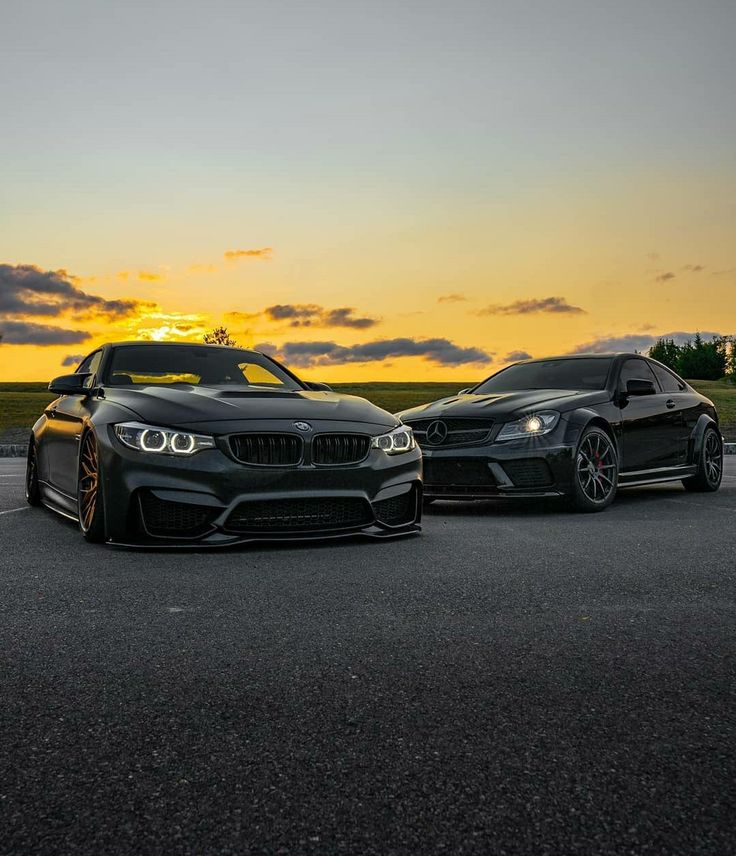
When comparing the luxury landscape, the debate surrounding an expensive car between BMW and Mercedes-Benz stands as one of the most nuanced conversations in the automotive world. Both German titans offer engineering excellence, opulent interiors, and cutting-edge technology, making the choice exceptionally difficult for discerning buyers. The perception of value often hinges on subjective preferences regarding driving dynamics, design philosophy, and brand heritage. Understanding the subtle and not-so-subtle differences is essential for determining which badge commands a premium for the right reasons, beyond just the base price tag.
The Heritage of Exclusivity
To truly grasp why these vehicles represent an expensive car category, one must look at the historical context of both manufacturers. Mercedes-Benz has long been synonymous with ultimate luxury, pioneering safety features and establishing a benchmark for comfort that has influenced the entire industry. Their focus has traditionally centered on creating a serene, spacious, and technologically advanced sanctuary for the driver and passengers. BMW, conversely, built its legendary reputation on the "Ultimate Driving Machine," prioritizing precise handling, rear-wheel-drive dynamics, and a more intimate connection between the driver and the road. This fundamental difference in core philosophy is the first major factor that defines the expensive car conversation, as you are essentially buying into a specific driving ethos and brand promise.
Design and Interior Philosophy
The visual and tactile experience inside a BMW versus a Mercedes-Benz is where the luxury divide becomes immediately apparent. Mercedes design language often leans toward a sense of grandeur and sweeping elegance, characterized by flowing lines, large front grilles, and expansive, almost cinematic dashboards. The focus is on creating a tranquil environment with high-quality materials like soft-touch leathers and open-pore wood trim. In contrast, BMW interiors tend to be more driver-centric and structured, featuring a cockpit feel with clean lines radiating from the steering wheel. While equally luxurious, the aesthetic is often sharper and more minimalist, with a focus on maximizing cabin space and providing a more direct, engaging view of the road ahead. This distinct design language directly impacts the perceived value and appeal of an expensive car purchase.


Performance and Driving Dynamics
The BMW Driving Experience
BMW has consistently engineered its performance models to deliver a thrilling and communicative driving experience. The emphasis on rear-wheel or all-wheel-drive configurations, combined with a near-perfect weight distribution, results in exceptional cornering stability and steering feedback. Models like the M Series are benchmarks for sporty performance, offering a visceral connection that enthusiasts deem unmatched in the luxury segment. For the buyer who views driving not as a chore but as a pleasure, the performance credentials of a BMW are a primary justification for its status as an expensive car.
Mercedes-Benz Refinement and Power
Mercedes-Benz approaches performance with a focus on refined power and effortless speed. The integration of their advanced 4MATIC all-wheel-drive system with powerful engines ensures that acceleration is smooth, quiet, and immensely satisfying. While they offer high-performance AMG variants that rival BMW's intensity, the core philosophy remains one of comfort and control. The ride is typically softer, isolating the occupants from road imperfections, creating a sense of floating on air. For the executive or family buyer who prioritizes a calm, composed, and luxurious journey, the performance of a Mercedes-Benz justifies its position as an expensive car with a distinct character.


Technology and Innovation
Both brands invest heavily in technology, but they implement it differently, further influencing the value proposition of an expensive car. Mercedes-Benz has been a pioneer in infotainment, most notably with their COMAND system, which prioritizes a large central touchscreen and intuitive, if sometimes complex, interfaces. Their latest MBUX system leverages artificial intelligence and voice control to set a high bar for digital interaction. BMW, while also embracing large touchscreens, often retains more physical buttons and stalks for critical functions like the iDrive controller, arguing for greater usability while driving. The debate over which interface is superior is central to the ownership experience, directly impacting the perceived worth of the technology within an expensive car.
The Value of the Badge and Ownership
Ultimately, the discussion about an expensive car between BMW and Mercedes-Benz transcends sheet metal and specifications. It becomes a conversation about brand identity and personal values. The Mercedes-Benz badge often carries a weight of timeless prestige and a perception of ultimate success, appealing to those who desire a statement of established authority and elegance. The BMW badge signifies a commitment to a more dynamic, engaging, and sport-oriented lifestyle, attracting drivers who want every journey to be an event. Assessing the long-term value, including depreciation, maintenance costs, and the intangible feeling of satisfaction, is a critical step in determining which brand aligns with your personal definition of luxury and justifies the significant investment.




Related Articles

BMW vs Mercedes: Which Luxury Car Costs More?
The question of whether a BMW or a Mercedes-Benz holds the title for the most expensive car is not as simple as comparing base models. While both German...
BMW vs Mercedes-Benz: Which Luxury Brand Wins?
When comparing two of the most prestigious names in the automotive world, the question “is BMW better than Mercedes-Benz” rarely has a simple yes or no answer...
Mercedes Benz vs BMW 2024: Which Luxury German Car is Best?
Choosing between a Mercedes-Benz and a BMW is less about finding the definitive best car and more about identifying which brand’s philosophy aligns with your...
BMW vs Mercedes: Which Luxury Car Costs More?
When comparing two of the most prestigious names in automotive engineering, the question of which brand commands a higher price tag often arises. The...

Mercedes Benz vs BMW: Which Luxury Car Wins?
Choosing between a Mercedes-Benz and a BMW is less about finding a definitive winner and more about identifying which philosophy aligns with your driving...
Mercedes vs BMW: Which Luxury Car Is More Expensive?
When comparing luxury automotive benchmarks, the question of which car is more expensive, Mercedes or BMW, does not have a singular answer. Both brands...