Maximize Your Gen 2 Prius: Ultimate Hybrid Battery Guide & Lifespan Tips
Owning a Gen 2 Toyota Prius, especially one from the 2004 to 2009 model years, often leads owners to the same critical realization: the hybrid battery is the heart of the system, and its health dictates the car's value and reliability. While the first-generation Prius battery was a sealed NiMH unit, the Gen 2 design introduced a more advanced high-voltage battery pack that, although robust, has specific failure points and maintenance considerations. Understanding the nuances of this second-generation battery architecture is essential for any owner aiming to maximize their vehicle's lifespan and avoid unexpected repair costs.
Decoding the Gen 2 Prius Hybrid Battery Pack
The hybrid battery in a Gen 2 Prius is not a single cell but a sophisticated pack composed of 28 individual nickel-metal hydride (NiMH) modules. These modules are wired in series to create the high-voltage system that powers the electric motor and assists the gasoline engine. Each of these modules consists of six individual 1.2-volt cells, meaning the entire pack contains 168 cells in total. This modular design was a step up from the first generation, offering better energy density and thermal management, but it also means that the failure of a single module can impact the performance of the entire system.
Common Failure Points and Symptoms
Unlike a conventional 12-volt lead-acid battery, the hybrid battery fails gradually rather than suddenly. Owners often notice subtle signs long before the car enters a "fail-safe" mode. The most common symptom is a persistent warning light on the dashboard, or the vehicle entering "Battery Saver" mode, where the engine stays on to preserve charge. You might also experience reduced fuel economy, a lack of power when accelerating, or the vehicle failing to start if the voltage drops too low. These symptoms indicate that the pack is out of balance or that one or more modules have reached the end of their functional life.


Factors Influencing Longevity and Performance
The lifespan of a Gen 2 battery is heavily influenced by driving habits and climate. These batteries thrive in moderate temperatures and degrade faster in extreme heat, which is why they are often located in the rear of the vehicle, away from the engine bay. Frequent short trips that prevent the battery fully charging and discharging can also contribute to sulfation and reduced capacity. Conversely, drivers who utilize a regular routine of longer drives allow the battery management system (BMS) to perform cell balancing, which can significantly extend its operational life. With proper care, it is not uncommon for these packs to last well over 100,000 miles.
| Factor | Impact on Battery Life |
|---|---|
| Heat Exposure | High temperatures accelerate chemical degradation, reducing capacity. |
| Driving Cycles | Regular deep cycles help maintain cell balance and health. |
| State of Charge | Leaving the battery fully charged for long periods can cause stress. |
Replacement Options and Solutions
When the time comes to address the hybrid battery, owners are presented with several options. The most straightforward solution is a complete replacement of the original equipment manufacturer (OEM) battery. This ensures full warranty coverage and reliability but comes at a premium price. A more cost-effective alternative is to explore the used or reconditioned market, where dealers replace faulty modules with new ones, restoring the battery to like-new condition. For the mechanically inclined, a growing number of online resources detail the process of physically replacing the entire pack with a new or refurbished unit from a dismantled vehicle.


Maintaining Your Current Battery
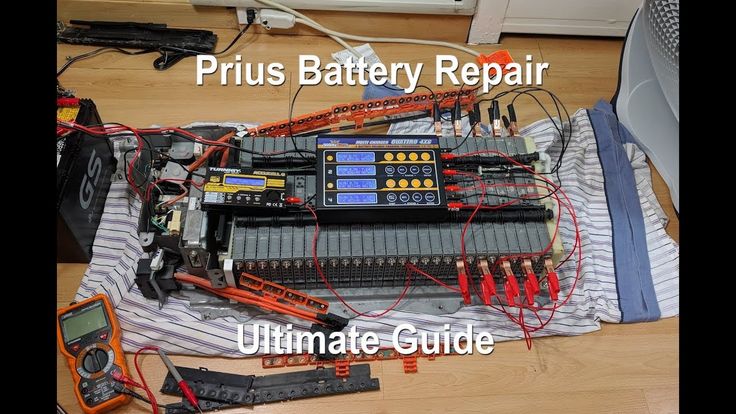
If the battery is relatively young and the issue is isolated to a few weak modules, a reset procedure might be recommended by a dealer. This involves forcing the vehicle to discharge and recharge completely, which can sometimes help the BMS recognize and balance the pack again. However, this is merely a temporary fix for symptomatic issues. To proactively manage the health of the battery, some owners utilize external "smart chargers" that can condition the pack by performing deep discharges and full recharges, helping to break down sulfation crystals that form on the nickel plates over time.
Ultimately, the Gen 2 Toyota Prius hybrid battery represents a marriage of proven NiMH technology and intelligent electronics. While it may require attention years down the line, understanding its architecture empowers the owner to make informed decisions about repair, replacement, or continued maintenance. Treating the battery with respect regarding temperature and driving cycles is the surest way to ensure it continues to deliver the exceptional reliability and fuel efficiency the Prius is known for.



Related Articles

Toyota Prius Battery Hybrid: Ultimate Guide to Lifespan, Replacement & Cost
The Toyota Prius hybrid battery represents a sophisticated marriage of gasoline power and electric efficiency, designed for longevity and optimized...

Maximize Your Toyota Prius Hybrid Gas Mileage: Ultimate Tips for Efficiency
For drivers evaluating the intersection of efficiency, technology, and everyday practicality, the Toyota Prius hybrid remains a benchmark in the automotive...

Ultimate Guide to Toyota Corolla Hybrid Battery: Lifespan, Cost & Replacement Tips
The hybrid battery Toyota Corolla represents a significant evolution in the durability and efficiency of one of the world's best-selling vehicles. Owners of...

2014 Toyota Prius Plug In Hybrid Battery: Cost, Lifespan & Replacement Guide
The 2014 Toyota Prius Plug-in Hybrid represents a pivotal moment in the evolution of sustainable motoring, sitting at the intersection of practical daily...

2010 Toyota Prius Hybrid Battery Replacement: Cost & Lifespan Guide
Driving a 2010 Toyota Prius represents a commitment to efficiency and sustainability, but the vehicle's longevity hinges on one critical component often...

Maximize Your Toyota RAV4's Lifespan: The Ultimate Extended Warranty Guide
Owning a Toyota RAV4 means you have invested in a vehicle celebrated for its durability, efficiency, and all-weather capability. However, even the most...