Generations of Toyota Tundra: Every Model Year Guide
For nearly four decades, the Toyota Tundra has stood as a pillar of American strength, carving a distinct legacy in the full-size pickup truck segment. While sharing DNA with the legendary Toyota Hilux known for its relentless durability overseas, the Tundra was engineered specifically for the demanding preferences of North America. Understanding the generations of Toyota Tundra is essential to grasp how the truck evolved from a rough-hewn workhorse into a technologically advanced luxury hauler, all while maintaining an uncompromising commitment to safety and capability.
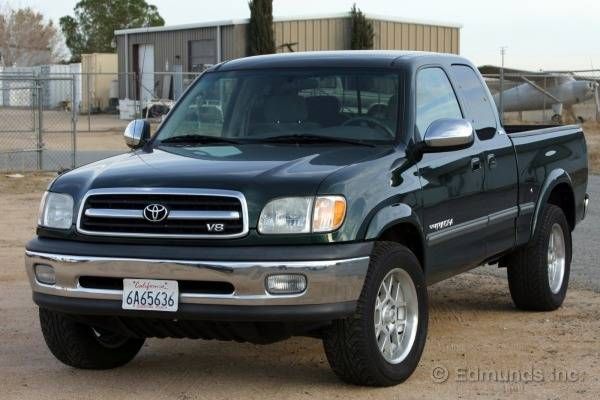
The Genesis: First Generation (1999–2006)
The story begins with the introduction of the first-generation Tundra in 1999, a bold entry that finally gave Toyota a legitimate competitor to the Big Three. Built in San Antonio, Texas, this truck arrived with a promise of Toyota reliability wrapped in a bold, American-style design. Initially offered with a robust 3.4-liter V6 or a powerful 4.0-liter V6, the first Tundra quickly dispelled doubts about Toyota's ability to build a true heavy-duty truck. Its introduction marked a significant shift in the market, proving that a Japanese manufacturer could challenge the established domestic dominance with a product that was as capable as it was refined.
- Key Engine: 3.4L V6 (1999-2004) and 4.0L V6 (2005-2006)
- Platform: Introduced the "X-Force" monocoque chassis for superior strength
- Debut: Model year 2000 trucks, arriving late 1999
The Refinement: Second Generation (2007–2021)
Toyota's next major leap came with the second generation, launched for the 2007 model year. This generation focused heavily on refinement, introducing the i-FORCE 5.7-liter V8 engine that became the signature powerplant for years to come. The design was more aggressive, featuring the now-iconic trapezoidal wheel flares and a more muscular stance. Safety became a paramount focus, with Toyota introducing advanced features like a rearview camera as standard and a comprehensive suite of stability and traction control systems. This era also saw the introduction of the luxurious Limited trim, signaling Toyota's intent to capture a more premium segment of the market.


Milestone Achievements
During its exceptionally long production run, the second generation achieved several noteworthy milestones. It was the first full-size pickup to offer a panoramic moonroof and became a mainstay in competitive towing and hauling, with the TRD Pro variants gaining an enthusiastic following. The durability of this generation was proven time and again, with many high-mileage examples still serving workers and adventurers today. This generation laid the groundwork for the Tundra's reputation as a truck built not just for a job, but for a lifetime.
- Engine Evolution: 4.7L V8 (2007-2009) leading to the legendary 5.7L i-FORCE V8
- Safety First: Standard stability control and available advanced airbag systems
- Luxury Integration: The Limited trim brought premium materials and technology
The Modern Era: Third Generation (2022–Present)
Marking a new chapter, the third-generation Tundra debuted for the 2022 model year on an entirely new platform designed to embrace the future of pickup trucks. This generation broke away from the traditional steel-over-aluminum construction, adopting an all-aluminum bed and hood to shed significant weight and improve efficiency. The powertrain landscape was revolutionized with the introduction of the hybrid powertrain, combining a 3.4-liter twin-turbo V6 with electric motors to deliver exceptional power and fuel economy. The design language is sharper than ever, with a focus on aerodynamics and a cabin that embraces modern technology with a large, vertically-oriented infotainment screen.


Embracing Hybrid Technology
The shift to a hybrid powertrain represents the most significant change in the Tundra's history. The hybrid system not only provides a surge of low-end torque, making towing and hauling effortless, but it also contributes to a quieter and more refined ride. This move positions the Tundra to compete directly with the newest generation of tech-forward and environmentally conscious full-size pickups. The third generation is a testament to Toyota's commitment to innovation, ensuring the Tundra remains relevant and desirable for decades to come.
Across its three distinct generations, the Toyota Tundra has consistently balanced capability with comfort, evolving from a reliable work truck into a sophisticated luxury pickup. Each iteration has built upon the last, addressing market demands for more power, better safety, and advanced technology. Whether you are looking at a classic first-generation model or the latest hybrid-powered marvel, the Tundra's enduring presence is a testament to Toyota's engineering prowess and understanding of what American truck buyers truly desire.
| Generation | Years | Key Powertrain | Major Highlights |
|---|---|---|---|
| First Generation | 1999–2006 | 3.4L / 4.0L V6 | Bold entry, X-Force chassis, established credibility |
| Second Generation | 2007–2021 | 4.7L / 5.7L i-FORCE V8 | Refinement, safety focus, TRD Pro models, long production run |
| Third Generation | 2022–Present | 3.5L Hybrid V6 | All-aluminum architecture, hybrid technology, modern tech |




Related Articles

Generations of Toyota Sienna: A Complete Guide to Every Model Year
The Toyota Sienna has long been a cornerstone of the American minivan market, earning a reputation for reliability, comfort, and family-friendly practicality...

Toyota Highlander Generations by Year: Complete Guide & Model Years
The Toyota Highlander has long stood as a cornerstone of the mid-size SUV segment, offering a blend of practicality, reliability, and refined comfort that...

Generations of Toyota Tacoma: Complete Model Year Guide & Review
Since its introduction in 1995, the Toyota Tacoma has evolved from a niche adventure vehicle into a cultural icon, representing durability and capability in...

Generations of BMW 6 Series: The Ultimate Guide to Every Model Year
The BMW 6 Series represents one of the most compelling chapters in the Bavarian brand's history, embodying a unique blend of sporty performance and luxurious...

Toyota Models Global: The Ultimate Guide to Every Toyota Model Worldwide
Toyota’s global footprint is less a collection of separate markets and more a single, interconnected ecosystem of engineering, manufacturing, and customer...

Exploring Every Toyota Model: The Complete Guide to All Toyota Names
Understanding the Toyota lineup can feel overwhelming for first-time buyers and seasoned enthusiasts alike. The brand’s systematic naming convention, rooted in...