Group 5 BMW CSL: The Ultimate Rare BMW Racing Icon
The Group 5 BMW CSL represents a pinnacle of motorsport engineering and design, a legend born from the relentless pursuit of victory on the racetrack. Often referred to as the "Batmobile" due to its otherworldly silhouette, this icon of the 1970s transcends its automotive classification to become a symbol of an era where rule-bending innovation defined success. More than just a racing car, the CSL is a rolling sculpture that fused aerodynamic genius with raw mechanical performance, capturing the imagination of enthusiasts and cementing BMW's reputation for building thrilling, driver-focused machines.
Decoding the "C" and the "L": The Meaning Behind the Myth
To truly appreciate the Group 5 BMW CSL, one must understand its cryptic name. The acronym itself is a direct reference to its racing lineage and intended purpose. The "C" stands for "Cosmetic," a designation highlighting the significant modifications required for the road car to meet the homologation rules for racing. The "S" represents "Sports," signifying a focus on performance and handling. Finally, the "L" is for "Leicht," which is German for "light." This pursuit of lightness was fundamental to the car's philosophy, achieved through the extensive use of aluminium and fiberglass, stripping away unnecessary weight to enhance agility and speed both on the street and the track.
From Circuit to Street: The Homologation Special
Born from the competitive fires of Group 5 Silhouette racing, the CSL was BMW's answer to a desperate need for aerodynamic dominance. To be eligible for racing, BMW had to produce a minimum of 500 road-going versions. This led to the creation of a true homologation special, a car built to win races first and satisfy regulations second. The result was a machine that looked almost comical in its extremity, with a massive, flat rear wing and a nose that seemed to dive under the air. This wasn't about beauty; it was about function, cutting through the air with ruthless efficiency to achieve staggering top speeds on the straights of circuits like the Nürburgring and Hockenheim.


The Altered Aerodynamics and Visual Impact
The visual transformation of the standard 2002 into a CSL is nothing short of dramatic. The most iconic feature is the so-called "breadvan" rear end, a massive, curved fiberglass decklid that housed the vast rear wing. This wasn't for show; it generated immense downforce, pinning the rear tires to the tarmac and allowing for breathtaking cornering speeds. The front air dam was also significantly revised, channeling air to cool the brakes and creating a low-pressure zone that further sucked the car to the ground. Inside, the focus remained on the driver, with lightweight Recaro bucket seats, a trimmed dashboard, and a purposeful, no-nonsense cockpit that invited battle.
| Specification | Details |
|---|---|
| Engine | 2.0L M10 I4 (Race) / 2.0L M21 I4 (Road) |
| Drivetrain | Front-engine, rear-wheel-drive |
| Weight | Approx. 950 kg (2,094 lbs) |
| Race Power | Up to 300+ hp |
| Road Power | 140 hp |
The Racing Pedigree and Lasting Legacy
The CSL's success on the track is the stuff of motorsport legend. Under the stewardship of legendary driver Hans-Joachim Stuck, it dominated the European Touring Car Championship, securing an outright victory at the Spa 24 Hours and consistently humiliating more powerful competitors. Its reign, however, was not to last forever. As rival manufacturers like Ford and Alfa Romeo developed more powerful, ground-effect aerodynamics, the rulebook was changed, effectively banning the CSL's radical wing. This abrupt end to its dominance only added to its mystique, transforming it from a competition weapon into an even more coveted collector's item.


Owning a Piece of History: The Collector's Dream
Today, the original E9 BMW CSL is revered as one of the most desirable cars ever built. A genuine, numbers-matching example commands staggering prices at auction, often reaching into the millions of dollars. This immense value stems from its rarity, historical significance, and the pure, unfiltered driving experience it offers. The combination of a tight chassis, communicative steering, and a race-bred engine creates a connection to the past that few modern cars can replicate. It is a car that demands respect, not just for its provenance, but for the sheer joy and challenge of driving it.
Modern Interpretations and the CSL Spirit
The spirit of the original CSL lives on in BMW's modern M division. The philosophy of lightweight construction and track-focused purity is echoed in contemporary icons like the M2 CS and the legendary M3 CSL. Furthermore, BMW has revisited the CSL name in recent years with special editions for models like the 3 Series and M4, paying direct homage to the original with unique badges and design elements. While these new cars are technological tour-de-forces, they can never quite capture the raw, unhinged genius of the original Group 5 machine, a true pioneer that redefined what a BMW could be.


Related Articles

BMW M3 E46 NFS Most Wanted: The Ultimate Street Racing Icon
The BMW M3 E46 NFS Most Wanted is more than just a high-performance sedan; it is an icon of a specific era in automotive history, immortalized by a digital...
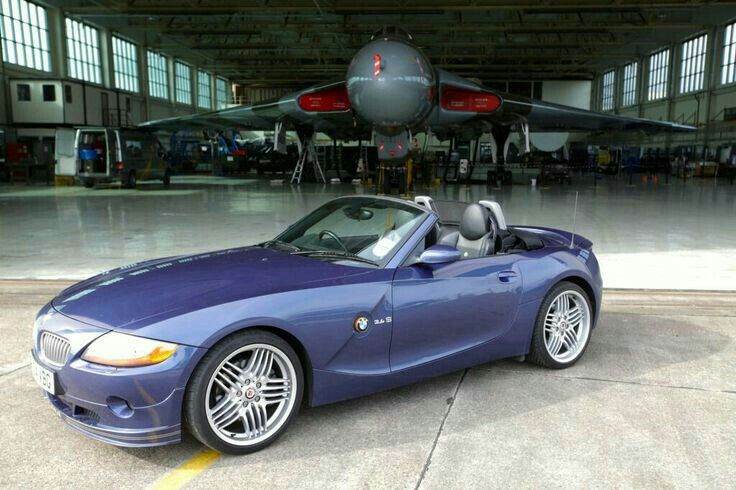
2009 BMW Z4 Alpina: The Ultimate Guide to the Rare Performance Icon
The 2009 BMW Z4 Alpina represents the pinnacle of the second-generation Z4 lineup, a model that often gets overshadowed by the flashier M models yet offers a...

Toyota Prius Hybrid: The Ultimate Guide to Owning the Eco-Friendly Icon
The Toyota Prius hybrid represents a cornerstone of automotive innovation, establishing the blueprint for modern mass-market electrified vehicles. Since its...

Ultimate BMW GTR M3 Hot Wheels: Collector's Guide & Rare Finds
The BMW GTR M3 Hot Wheels is more than just a toy car; it is a meticulously engineered miniature capturing the essence of BMW's legendary motorsport pedigree...

1998 Toyota Supra MK4 For Sale: The Ultimate Twin-Turbo Icon
The 1998 Toyota Supra MK4 remains one of the most desirable sports cars from the late 1990s, blending raw performance with daily-drive practicality. For...

BMW Hypercar WEC Assetto Corsa: Ultimate Virtual Racing Machine
The BMW Hypercar WEC Assetto Corsa represents a fascinating intersection of real-world motorsport engineering and virtual simulation. This meticulously crafted...