Fix BMW Emergency Call System Fast: Quick Troubleshooting Guide
Discovering your BMW's emergency call system has failed during a critical moment can be a stressful experience. This system, often integrated with services like BMW Assist or SiriusXM, is designed to provide peace of mind by connecting you to emergency responders with the press of a button. When malfunction occurs, it is typically due to a variety of specific technical issues ranging from simple user error to complex electrical faults. Understanding the precise cause is the first step in restoring this vital safety feature to full operation.
Diagnosing the System Failure
The initial step in resolving the issue is accurate diagnosis. Many drivers mistake a lack of cellular signal for a system malfunction, when the problem is simply connectivity. Before diving into complex troubleshooting, verify that your vehicle is in an area with adequate coverage. If the signal is strong, the issue is likely internal to the vehicle's hardware or software. Look for specific warning messages on the iDrive display or listen for unusual auditory cues, such as a continuous chime or a failure to dial the standard emergency number, which often indicates a hardware fault within the hands-free microphone or the control module itself.
Checking the Core Components
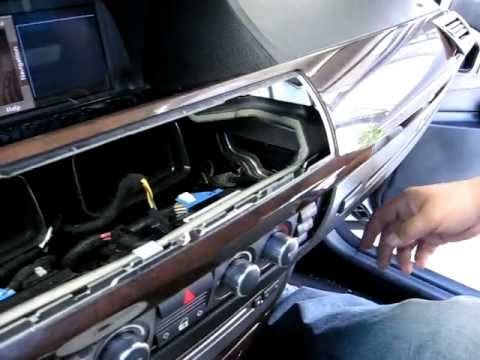
To fix emergency call system malfunction BMW hardware, you must inspect the primary physical components. The SOS button, usually located on the sun visor or within the center console, requires a simple functional test. Press the button and observe if the dashboard displays the emergency call icon; if it does not light up, the button assembly or its wiring may be damaged. Furthermore, the system relies on a dedicated antenna, often integrated into the roof lining or rear window glass. A faulty or disconnected antenna is a leading cause of signal failure, as it prevents the vehicle from communicating with satellites or cellular towers.


Addressing Software and Connectivity
Modern BMWs rely heavily on sophisticated software to manage connectivity. If the hardware checks out, the next logical step is to address the digital infrastructure. The system requires a current subscription to a telematics service provider, and an expired account will immediately disable functionality. Check your BMW ConnectedServices subscription status through your account online or via the iDrive menu. Simultaneously, cellular network modules within the vehicle can become outdated or experience software glitches. Performing a reset of the vehicle's network settings, similar to resetting a smartphone, can often resolve latent software conflicts that impede the emergency call process.
Resetting and Rebooting
A common and effective method to rectify temporary electronic gremlins is a full system reboot. This process drains residual power from the capacitor banks and forces a hard refresh of the iDrive software. To perform this, you must disconnect the vehicle's battery. First, turn the ignition completely off and remove the key. Locate the battery terminal under the hood and use the appropriate wrench to disconnect the negative cable. It is recommended to wait approximately 15 to 20 minutes to allow all vehicle computers to fully discharge and reset. Reconnect the cable securely and start the vehicle to see if the emergency call system initializes correctly.


Advanced Troubleshooting and Professional Aid
If the reboot does not restore functionality, the issue may reside in the complex wiring loom or the dedicated emergency call control unit itself. Corrosion at the connector pins or a burned-out fuse can interrupt the power supply or data bus communication. Consult your owner's manual to locate the specific fuse dedicated to the SOS or Telematics system; replacing a blown fuse is a quick fix. Should the problem persist, it is crucial to seek assistance from a certified BMW technician. They possess the specialized diagnostic software, such as ISTA/D, required to read error codes specific to the emergency call module and trace electrical faults within the network.
When to Seek Professional Service
There are specific scenarios where professional intervention is non-negotiable. If you have physically damaged the interior trim around the SOS button, or if you smell burning or see scorch marks near the module, you are dealing with a serious electrical issue. Additionally, if the system displays a "Service Now" warning that persists after a reset, it indicates a deeper fault in the module's circuitry. Continuing to drive a vehicle with a non-functional emergency call system leaves you vulnerable; therefore, scheduling an appointment with a BMW dealer or an independent specialist experienced with German automotive electronics is the safest course of action to ensure your safety system is fully operational.




Related Articles
Clear Emergency Call System Malfunction in BMW: Quick Fix Guide
Experiencing a clear emergency call system malfunction bmw scenario can be a stressful event for any driver. Modern BMWs are equipped with advanced safety and...

Fix BMW 3 Series Emergency Call System Malfunction Fast: Clear & Reset Guide
Experiencing a malfunctioning emergency call system in your BMW 3 Series can be unsettling, especially when you rely on this critical safety feature for peace...
BMW G20 Emergency Call System Malfunction: Fix & Troubleshooting Guide
The BMW G20 emergency call system, often marketed under the name eCall, is designed to provide a critical safety net by automatically contacting emergency...
Fix BMW Emergency Call System Malfunction: Quick Solutions
Seeing an emergency call system malfunction bmw alert on your dashboard can be unsettling, but it is a common electrical gremlin rather than an immediate...

Emergency Call System Failure BMW X5 G05? Quick Fix & Reset Guide
Drivers of the BMW X5 G05 rely on the integrated emergency call system as a critical safety net, providing instant access to certified response centers...
2019 BMW 430i Emergency Call Malfunction: Troubleshooting Guide
Owners of the 2019 BMW 430i expecting a serene drive could face an alarming situation when the emergency call system malfunctions. This specific model year...