2004 Toyota Prius Hybrid Battery Replacement: Durable, High-Performance OEM-Compatible Solution
Owners of a 2004 Toyota Prius often hear the same question regarding the long-term health of their eco-friendly investment: what happens to the hybrid battery when the warranty expires? Understanding the specific requirements, common failure modes, and available options for this first-generation hybrid system is essential for maximizing the vehicle's lifespan and resale value. This guide provides a detailed look at the 2004 Prius battery, moving beyond simple replacement to explore maintenance strategies and realistic expectations.
Understanding the 2004 Prius Hybrid Battery Pack
The 2004 model year marks the debut of the renowned Toyota Hybrid Synergy Drive, and its battery technology is the foundation of that system. Unlike a standard 12-volt lead-acid battery, the hybrid battery pack in your Prius is a sophisticated module composed of 28 individual nickel-metal hydride (NiMH) cells. These cells work in unison to store the electrical energy required for low-speed electric driving and to assist the gasoline engine during acceleration. While designed for longevity, the chemical composition of these cells makes them susceptible to degradation over time, particularly if subjected to extreme temperatures or shallow discharge cycles.
Common Failure Symptoms and Diagnosis
Identifying a failing hybrid battery is usually a straightforward process, as the vehicle provides clear warning signs long before complete failure occurs. The most common indicator is the appearance of a warning light on the dashboard, often resembling a battery icon or displaying a message such as "Check Hybrid System." You might also notice a significant drop in fuel efficiency, where the car suddenly consumes fuel much faster than usual. In some cases, the vehicle may enter a "limp home" mode, restricting power output and preventing the engine from shutting off at idle.


| Symptom | Possible Cause | Severity |
|---|---|---|
| Hybrid Battery Warning Light | Cell imbalance or failure | High |
| Reduced Engine-Off Time | Reduced charge capacity | Medium |
| Engine Running at Startup | Inability to start in EV mode | High |
Mechanics use a specialized diagnostic tool to read the fault codes stored in the hybrid control unit. These codes pinpoint which specific cells are causing the imbalance, allowing for a targeted approach rather than an immediate full replacement. Often, the issue is a gradual voltage drop in one or two cells that, while not catastrophic, disrupts the overall performance of the entire pack.
Maintenance Strategies to Extend Battery Life
Proactive care can significantly delay the need for a full battery replacement, saving you thousands of dollars in the long run. The primary enemy of the NiMH battery in a 2004 Prius is heat; keeping the pack cool is paramount. Ensuring the auxiliary battery (the standard 12V battery located under the hood) is always in good condition is also critical, as a failing 12V battery can cause the hybrid system to shut down unexpectedly to protect itself.


- Utilize the 'EV Drive' button: If your model is equipped with it, using this button for short trips in parking lots or neighborhoods allows the battery to operate in a more controlled state, avoiding deep discharges that stress the cells.
- Avoid extreme temperatures: Whenever possible, park in a garage or shaded area. Prolonged exposure to high heat accelerates the chemical degradation of the nickel hydroxide electrodes within the cells.
- Drive regularly: Leaving the car unused for extended periods can cause the battery to self-discharge to a critically low voltage. Driving the vehicle at highway speeds for 30 to 45 minutes once every two weeks helps the High Voltage Battery Management System (HV BMS) perform a top-off charge.
Replacement Options and Cost Considerations
When the hybrid battery finally fails, owners are faced with a significant financial decision. The most common route is to replace the entire assembly with a new or remanufactured unit. A new OEM pack offers peace of mind but comes at a premium price, often exceeding $2,500 for the part alone, not including labor. Many independent shops offer remanufactured batteries, which are professionally rebuilt units that can provide a cost-effective alternative with a warranty, typically costing between $1,400 and $1,900 installed.
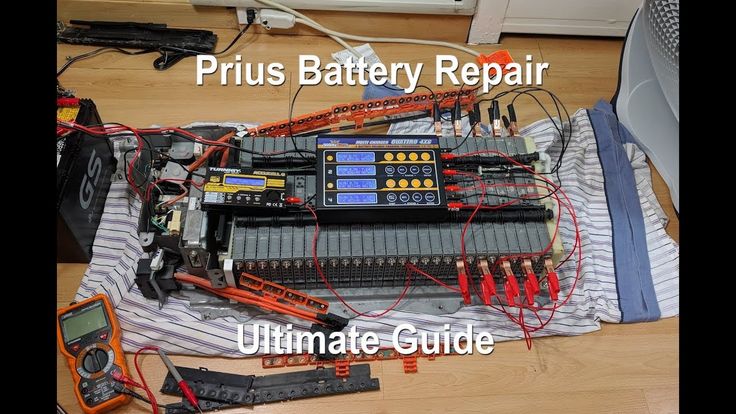
Another innovative solution gaining popularity is hybrid battery reconditioning. This process involves isolating the failed cells within the pack and bypassing them, allowing the healthy cells to be reused. While this does reduce the total capacity of the battery, it is often sufficient for daily commuting and can cost a fraction of a replacement, usually between $600 and $900. For the DIY enthusiast, detailed guides are available for those who wish to undertake the reconditioning process themselves, though it requires caution and specific tools.
Maximizing Value and Long-Term Ownership
For the owner of a 2004 Toyota Prius, the hybrid battery is not just a component; it is the heart of the vehicle's unique identity. Viewing the car through the lens of total cost of ownership, rather than just the initial purchase price, reveals the true value of the hybrid system. A well-maintained Prius can easily exceed 300,000 miles, and with a healthy battery, it will continue to deliver exceptional fuel economy that offsets the cost of fuel over time.


Ultimately, understanding the nuances of the 2004 Prius hybrid battery empowers the owner. Whether you choose to maintain the original pack, opt for a replacement, or explore reconditioning, the goal is to ensure that this engineering marvel continues to provide reliable, efficient transportation for years to come. Treating the battery with respect and addressing issues promptly will keep the iconic Prius humming down the road.


Related Articles

Toyota Prius Battery Hybrid: Ultimate Guide to Lifespan, Replacement & Cost
The Toyota Prius hybrid battery represents a sophisticated marriage of gasoline power and electric efficiency, designed for longevity and optimized...
2014 Toyota Prius Plug In Hybrid Battery: Cost, Lifespan & Replacement Guide
The 2014 Toyota Prius Plug-in Hybrid represents a pivotal moment in the evolution of sustainable motoring, sitting at the intersection of practical daily...
Toyota Prius Hybrid Battery Replacement: Affordable Cost & Guide
Owning a Toyota Prius means embracing a legacy of efficiency and reliability, yet every mechanical system has its limits. The hybrid battery, the heart of your...

Toyota Prius Battery Replacement Cost Malaysia: 2024 Price Guide
Owning a Toyota Prius in Malaysia comes with a distinct set of financial considerations, with the battery replacement cost being the most significant concern...

Toyota Hybrid Camry Battery Replacement Cost: 2024 Price Guide
Owning a Toyota Camry Hybrid offers exceptional fuel efficiency and a smooth driving experience, but eventually, the high-voltage traction battery will require...

Toyota Corolla Hybrid Battery Replacement Cost: 2024 Price Guide
Owning a Toyota Corolla Hybrid is often seen as a smart financial decision, blending reliability with excellent fuel economy. However, like all vehicles, it...