2024 Hyundai All SUV Cars: Complete Guide to Pricing, Features & Reviews
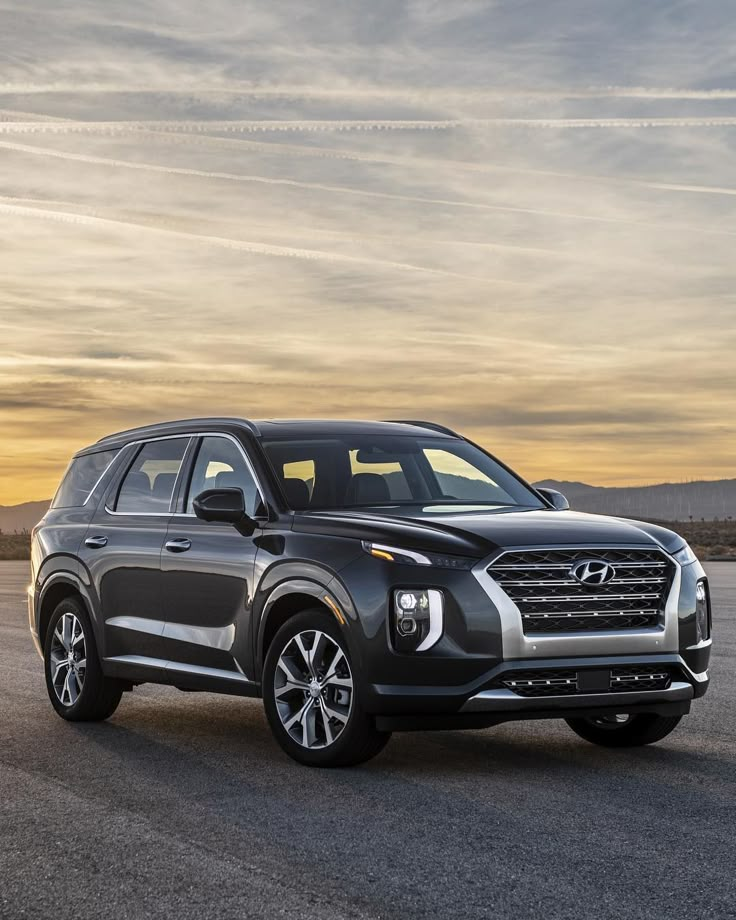
The Hyundai all SUV lineup represents a significant evolution in the brand's commitment to versatility, technology, and value. For years, Hyundai has challenged industry norms by offering a diverse range of models that cater to various lifestyles, from compact urban mobility to robust family hauling and adventurous off-roading. This comprehensive overview explores the distinct segments within the Hyundai SUV portfolio, highlighting how each model balances performance, comfort, and the intelligent features that have become synonymous with the Korean manufacturer.
Decoding the Hyundai SUV Hierarchy
To navigate the Hyundai all SUV catalog effectively, it is essential to understand the class-based structure that organizes these vehicles. Each tier is designed with a specific driver and family configuration in mind, ensuring that the right SUV can be identified for specific needs. The hierarchy typically flows from nimble subcompact models to commanding full-size luxury SUVs, each increasing in dimensions, capability, and premium features.
Subcompact and Compact Segment
At the entry point of the Hyundai all SUV experience are models like the Venue and the Kona. The Venue has carved a niche for itself as an ideal first SUV, offering exceptional fuel efficiency, a surprisingly spacious cabin for its size, and a manageable profile that simplifies parking in congested city environments. The Kona steps up the adventure, featuring bold styling and available all-wheel drive, making it a popular choice for those who desire a compact SUV with genuine capability to tackle light trails and inclement weather without sacrificing daily drivability.


Mid-Size and Midsize Segment
Moving up the ladder, the Santa Fe and the Tucson form the backbone of the Hyundai all SUV strategy for medium-sized families. The Tucson presents a modern design language and a cabin filled with high-quality materials, positioning it as a stylish competitor in a crowded segment. The Santa Fe, often available in configurations seating up to eight, represents the pinnacle of practical family transport, offering generous cargo space, flexible seating arrangements, and a refinement that bridges the gap between competent driving dynamics and luxurious comfort.
Performance, Technology, and Safety Integration
What truly sets the Hyundai all SUV range apart is the consistent application of advanced technology and safety features across nearly every model. Unlike competitors that reserve cutting-edge driver assistance for top-tier trims, Hyundai has made innovations like Highway Driving Assist and Digital Key increasingly accessible. Furthermore, the integration of the latest infotainment systems with wireless Apple CarPlay and Android Auto ensures that the driving experience feels modern and connected, whether navigating a metropolitan jungle or exploring a rural byway.


Performance-wise, the lineup offers a balance that prioritizes efficiency and smoothness over raw aggression. While the high-performance N-line variants of the Tucson and Santa Fe provide a more aggressive aesthetic and handling tuning, the standard powertrains focus on delivering confident acceleration and refined fuel economy. This approach caters to the majority of buyers who seek a capable vehicle that remains pleasant to drive in everyday scenarios, reducing fatigue during long commutes and road trips alike.
The Value Proposition and Market Position
In a market saturated with options, the Hyundai all SUV division holds a distinct advantage: the value proposition. Hyundai has historically offered more standard features and longer warranty periods than many of its competitors, instilling confidence in buyers regarding their purchase longevity. This commitment to customer satisfaction is evident in the residual values of these vehicles, which often outperform industry averages, making Hyundai SUVs a financially sound investment for both new and pre-owned buyers.
Looking toward the future, the Hyundai all SUV strategy is evolving to include a significant push into electrification. The introduction of hybrid variants for core models like the Tucson and Santa Fe, alongside the arrival of the Ioniq brand, signals Hyundai's dedication to sustainable mobility. This forward-thinking approach ensures that the brand will continue to provide compelling, modern SUV options that meet the changing demands of consumers and environmental regulations without compromising the practicality and comfort that define the current lineup.




Related Articles

2024 Hyundai HCI Model: Complete Guide to the Car Name, Specs, and Features
When enthusiasts and collectors search for information regarding the Hyundai HCI model car name, they are usually looking for specifics on a fascinating piece...

Toyota Land Cruiser 2024 Specs: Complete Specifications & Features Guide
The Toyota Land Cruiser 2024 represents the pinnacle of the legendary off-road lineage, marrying decades of rugged capability with contemporary refinement...

2024 Hyundai Full Size Truck: Power, Payload & Pricing Guide
The Hyundai full size truck represents a significant evolution in the American pickup market, blending Korean engineering precision with the rugged capability...

2024 Hyundai Santa Fe Pricing in Canada: Current Deals & MSRP Guide
Understanding Hyundai Santa Fe pricing in Canada requires looking beyond the manufacturer's suggested retail price. The journey from the starting price to the...

Hyundai H350 Wiki: Complete Guide, Specs & Reviews
The Hyundai H350 stands as a versatile and dependable vehicle in the commercial and passenger transport sectors, serving a critical role for numerous...

2024 BMW X5 B58 SUV: The Complete Guide to Specs, Performance & Reviews
The B58 engine is the powerhouse behind BMW's most compelling mid-size SUVs, delivering a blend of turbocharged efficiency and responsive performance that...