Hyundai AWD Lineup: Power, Control & Capability Unleashed
For buyers seeking capability without compromise, the Hyundai AWD lineup represents a significant evolution in how mainstream vehicles handle diverse terrain and adverse weather. Unlike competitors that often relegate all-wheel drive to performance trims, Hyundai has woven this technology into the fabric of its most capable models, from the rugged Tucson to the family-centric Santa Fe. This system is not just an afterthought; it is a calculated engineering response to the growing demand for safety, confidence, and versatility in daily driving. Understanding the nuances of each offering reveals a brand committed to delivering intelligent traction without sacrificing efficiency or value.
Decoding Hyundai's AWD Philosophies
Not all all-wheel-drive systems are created equal, and Hyundai utilizes distinct strategies depending on the model segment and intended use. The core differentiator lies between intelligent on-demand systems and full-time permanent setups. The former typically employs a multi-plate clutch activated by software, which quietly directs power to the axle that needs it most. The latter, found in more performance-oriented applications, uses a center differential to physically split torque between the front and rear driveshafts. This fundamental architecture dictates how the vehicle feels, how it conserves fuel, and how it handles dynamic driving scenarios.
The Intelligent On-Demand System
Most of Hyundai’s mainstream AWD models utilize an electronically controlled, on-demand clutch system designed for efficiency and proactive safety. Under normal conditions, the vehicle operates in front-wheel drive to conserve fuel. However, sophisticated sensors monitor wheel slip, steering angle, brake pressure, and g-forces multiple times per second. When the system detects a loss of traction—whether navigating a snowy overpass, taking a sharp corner, or merging onto a wet highway—it instantaneously sends power to the rear wheels. This seamless transition ensures the driver experiences stability without feeling the mechanical intervention, preserving the sedan-like smoothness that Hyundai is known for.


SUVs Dominating the Segment
The Tucson and Santa Fe form the volume backbone of the Hyundai AWD strategy, catering to the active suburban family and the adventure-seeking professional. Both models utilize the same advanced on-demand architecture, but packaging and tuning create distinct personalities. The Tucson offers a more agile steering feel and tighter turning radius, making it ideal for urban dwellers who occasionally tackle unpaved roads. Conversely, the Santa Fe provides a more planted, cruiser-like stability at highway speeds, where its longer wheelbase and refined suspension shine. The choice often comes down to size preference and the desired balance between maneuverability and presence.
| Model | Drivetrain | Target Buyer | Key Advantage |
|---|---|---|---|
| Tucson | AWD available | Urban Adventurer | Compact agility with rugged capability |
| Santa Fe | AWD standard (Premium) | Family Hauler | Spacious comfort with confident traction |
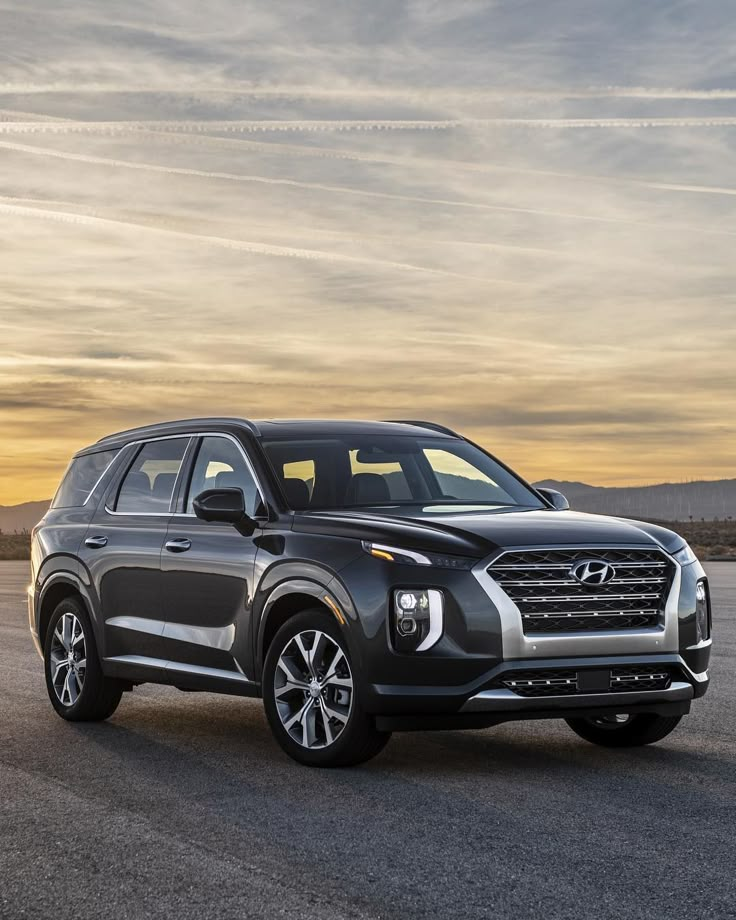
| Palisade | AWD standard | Luxury Cruiser | Premium refinement with three-row utility |
Tactical Capability Beyond Pavement
While the Hyundai AWD systems excel in inclement weather, they are also engineered to inspire confidence off the beaten path. Models like the Tucson and Santa Fe TRD Off-Road packages transform the drivetrain into a tool for exploration. The integration of Active Torque Vectoring Control (ATVC) allows the system to manage torque distribution not just fore and aft, but side to side. This means when navigating a slippery turn, the outer wheel can receive up to 50% more power than the inner wheel, effectively acting as a limited-slip differential. This technology dramatically reduces understeer and allows the driver to carry speed through corners on loose surfaces, a rarity in the mainstream segment.


The Performance Contender: The Kona N
Hyundai further stretches the definition of AWD performance with the Kona N, a vehicle that challenges the traditional hot hatch hierarchy. Utilizing the Global Media Interface (GMI) Platform, the Kona N features a dry dual-clutch rear transaxle. This allows the Electronic Control Unit (ECU) to send 100% of the available torque to the rear wheels instantly, or split it 50/50 front-to-rear for maximum grip. The inclusion of the N Grin Shift (NGS) function allows drivers to manually lock the clutch to maintain a 50/50 torque split, essentially turning the car into a rear-biased plaything. This is not just all-wheel drive; this is a weaponized, track-focused approach to consumer dynamics that proves Hyundai understands performance engineering at a world-class level.
Commitment to Safety and Peace of Mind
Beyond the thrill of traction, the Hyundai AWD lineup is fundamentally a safety and peace-of-mind initiative. By distributing power to all four corners, the system significantly reduces the risk of losing control during emergency maneuvers. AWD provides a buffer when confronting black ice or sudden downpours, helping the tires maintain contact with the road surface where two-wheel drive vehicles might begin to slide. This inherent stability is a core reason why the segment sees higher adoption rates of AWD; it is not just about going faster in a straight line, but about going safely from point A to point B in a complex and unpredictable environment. Hyundai has positioned this technology as a standard feature of responsible modern motoring.




Related Articles

2024 Hyundai Tucson XRT Santa Fe Review: Power, Comfort, and Value Unleashed
The Hyundai Santa Fe has long been a stalwart in the competitive mid-size SUV segment, and the latest iteration, often referred to within enthusiast circles as...

2025 Toyota Rav4 Cruiser Hybrid Specs: Power, Efficiency & Capability Unleashed
The Toyota RAV4 Cruiser Hybrid 2025 represents a significant evolution in the compact SUV segment, seamlessly blending rugged capability with sophisticated...

2024 Hyundai Tucson Ultimate Hybrid: Power, Efficiency, and Savings Unleashed
The Hyundai Tucson Ultimate Hybrid represents a significant milestone in the evolution of the best-selling compact SUV, transforming the familiar profile of...

2025 Hyundai Palisade XRT AWD: Power, Capability, and Future-Ready Style
The 2025 Hyundai Palisade XRT AWD emerges as the rugged sibling in the Palisade family, transforming the family-oriented three-row SUV into a confident...

2025 Hyundai Santa Fe Hybrid Limited: Power, Luxury & Efficiency Unleashed
The 2025 Hyundai Santa Fe Limited emerges as a formidable contender in the competitive three-row SUV segment, blending pragmatic design with premium...

2023 Toyota Tacoma Hybrid: Power, Efficiency, and Capability Unleashed
The 2023 Toyota Tacoma hybrid represents a significant evolution for one of America's best-selling trucks, blending the rugged capability expected from a...