Hyundai Biggest Vehicle: The Ultimate Guide to the Largest Models and SUVs
When evaluating the Hyundai portfolio, the quest to identify the biggest vehicle in their lineup reveals a story of market ambition and evolving consumer demand. For years, Hyundai has been defined by its efficient and reliable sedans and compact SUVs, carving out a reputation for value-driven engineering. However, the landscape is shifting as the company aggressively expands its presence in the full-size and luxury segments. This push into larger formats signifies a strategic move to compete directly with established American and European rivals, catering to buyers who prioritize space, prestige, and capability without compromising on the brand's core tenets of quality and warranty.
The Genesis of Giants: Hyundai's Full-Size Pursuit
To understand Hyundai's biggest vehicle, one must look beyond the popular Tucson or the sleek Sonata. The modern automotive market is heavily weighted toward larger vehicles, and Hyundai has been a keen participant in this trend. The introduction of dedicated full-size platforms marked a turning point for the brand, moving away from scaled-down designs to purpose-built machines. This transition was not just about size; it was about adopting the engineering philosophy required to handle the weight, power, and expectations associated with true domestic-scale vehicles. The goal was clear: to offer American consumers the space and features they desired while injecting Hyundai's renowned reliability into a segment traditionally dominated by legacy brands.
Flagship Contenders: The Palisade and the Dynasty G90
Design and Dimension Dominance
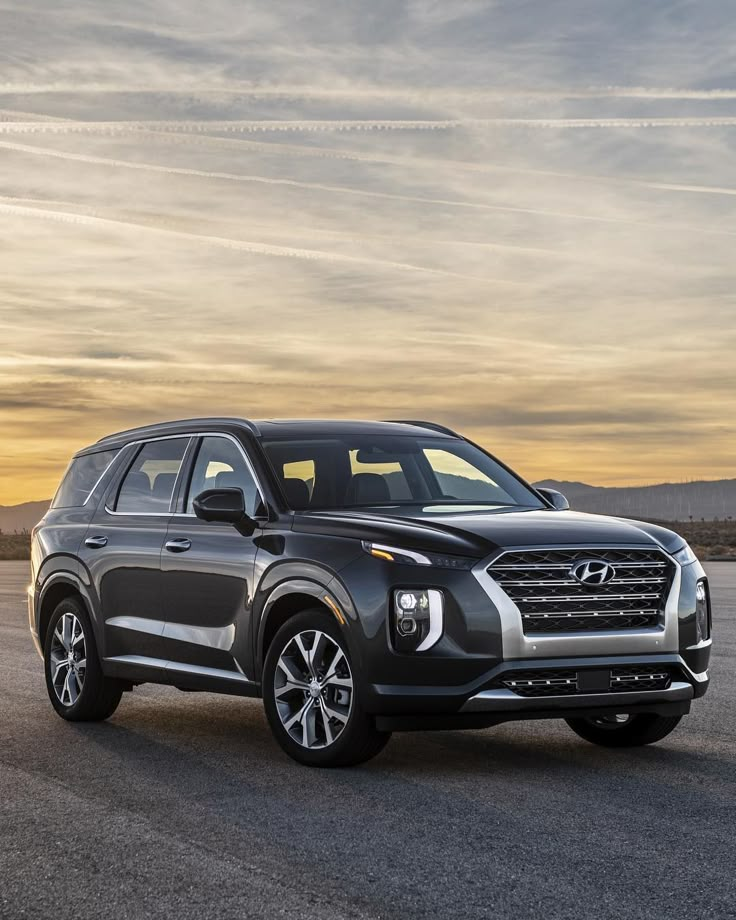
In the three-row SUV category, the Hyundai Palisade stands as the undisputed king of the Korean contingent. With its commanding road presence and exterior dimensions that rival the Honda Pilot, the Palisade represents the brand's commitment to the family hauler market. Its length, width, and height create an interior cabin that feels genuinely spacious, a stark contrast to the cramped minivans of a previous generation. The design language is aggressive yet refined, featuring a wide stance and signature hexagonal grille that signals Hyundai's investment in creating a serious, large-capacity vehicle. Every inch of the platform is utilized to maximize second and third-row legroom, transforming what was once a practical necessity into a luxurious experience.


Luxury and Limousine Scale
While the Palisade dominates the crossover segment, the Hyundai Dynasty G90 lays claim to the title of the brand's largest sedan. Positioned as a direct challenger to the Mercedes-Benz S-Class and BMW 7-Series, the G90 is a monument to Hyundai's aspirations for global luxury dominance. The sheer scale of the vehicle is apparent the moment one approaches it; the long hood, expansive wheelbase, and flowing lines create a sense of grandeur that is rarely seen outside of European marques. This is not just a large car; it is a meticulously crafted statement piece designed to offer rear-seat passengers a rolling sanctuary, complete with massaging seats, expansive sunroofs, and the latest connectivity technology. The G90 proves that "big" can also mean "bespoke."
Comparing these two vehicles highlights the breadth of Hyundai's ambition. The Palisade is the functional heart of the family, while the G90 is the executive throne. Both utilize the same core philosophy: provide more than the competition, whether that means an extra row of seats or an extra layer of leather luxury. This dual approach allows Hyundai to capture buyers at different ends of the financial spectrum, both seeking the reassurance of a brand that now offers products that define "big."


Performance Under the Hood: When Big Meets Powerful
Size alone does not define the biggest vehicle; the power required to move such mass is equally critical. Hyundai has addressed this challenge with a range of powertrains that match the scale of the chassis. The Palisade, for example, moves away from its historical reliance on smaller turbocharged engines. In its current trim levels, it offers a robust 3.8-liter Lambda II V6, delivering a balance of power and efficiency that makes towing a trailer or climbing a mountain grade feel effortless. This shift to traditional American V6 architecture is a significant vote of confidence in the brand's ability to engineer heartier machinery for larger platforms.
Market Impact and Consumer Reception
The reception of these large-scale vehicles has been a revelation for Hyundai. Critics initially skeptical of the brand's ability to manage the complexities of full-size engineering have been largely silenced by the sales figures. The Palisade, in particular, has been a runaway success, frequently appearing on "best of" lists and garnering praise for its blend of safety, technology, and comfort. The G90, while facing a tougher market due to the decline of the full-size sedan, has nonetheless solidified Hyundai's reputation as a manufacturer capable of producing world-class machinery. Consumer testimonials often highlight the shock and delight of experiencing a Hyundai vehicle that defies the stereotypes of the past, offering the presence of a German brand without the associated premium price tag.
The Verdict: Defining the Title
So, what is the single biggest vehicle from Hyundai? The answer depends on the metric used to measure "big." If the title is awarded based on raw exterior dimensions and three-row practicality, the Hyundai Palisade takes the crown as the largest passenger vehicle. However, if the title is reserved for the most luxurious, longest, and most technologically advanced sedan, the Hyundai Dynasty G90 claims the prize. Ultimately, the existence of these giants represents a pivotal moment for the brand. They signal that Hyundai is no longer just the underdog offering cheap compact cars; it is a full-suite automaker capable of competing in every segment, from the crowded compact SUV market to the ultra-luxury sedan arena.


Related Articles

Biggest Hyundai Van: Ultimate Guide to the Largest Models & Cargo Capacity
The quest for the biggest Hyundai van leads drivers straight to the Hyundai Xcient, a name that resonates with power, capacity, and professional-grade...

The Biggest BMW Vehicle: Ultimate Guide to the Largest Models
When enthusiasts and industry analysts discuss the pinnacle of BMW engineering, the conversation inevitably turns to the question of sheer scale. The biggest...

Toyota Biggest SUV 2024: The Ultimate Guide to the Largest Models
As the automotive landscape shifts toward electrification and enhanced capability, the conversation surrounding the Toyota biggest SUV 2024 has never been more...

Biggest LEGO Cars: The Ultimate Guide to the Largest LEGO Car Models
The concept of scaling down iconic vehicles into interlocking brick form is a cornerstone of the LEGO universe, yet some builds defy imagination by reversing...

Toyota Biggest SUV 2025: The Ultimate Guide to the Largest Models
As the automotive landscape shifts toward electrification and enhanced capability, the pursuit of space and versatility reaches new heights in 2025. The title...

Largest Hyundai Electric Car: Ultimate Guide to the Ioniq 5 & Future Models
The conversation around electric vehicles has shifted dramatically from niche curiosity to mainstream inevitability, and Hyundai has been at the forefront of...