Best Hyundai SUV Older Models: Reliable Rides & Great Value
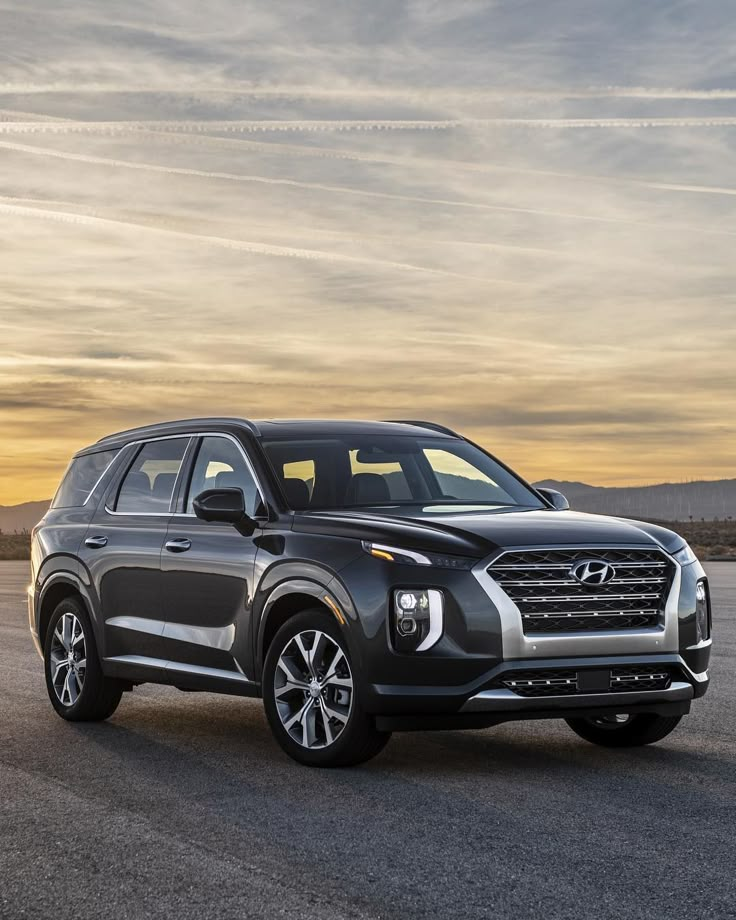
For many buyers, the phrase Hyundai SUV immediately conjures images of the sleek Tucson or the imposing, modern Palisade. While these current models dominate the conversation, a robust segment of the market remains deeply interested in Hyundai SUV older models. These earlier generations represent a pivotal moment in the brand's history, a time when Hyundai transitioned from being solely a budget-conscious choice to a serious contender offering surprising luxury, capability, and technology at a accessible price point.
The Genesis of an SUV Legacy
Before the Tucson and Santa Fe became household names, Hyundai carved its niche with the original Santa Fe. Launched over two decades ago, this five-seater was instrumental in proving that the South Korean manufacturer could build vehicles that were not just affordable but also desirable. The first-generation Santa Fe, with its rugged styling and available all-wheel drive, challenged the notion that affordable SUVs had to be basic or underpowered. Its success laid the critical groundwork for every Hyundai SUV that followed, establishing a design language and engineering philosophy that would define the brand's approach to the segment for years to come.
Design Evolution: From Utility to Elegance
One of the most compelling aspects of exploring Hyundai SUV older models is observing a distinct evolution in design language. The early models, such as the first and second generation Santa Fe and the compact Getz-based SUVs, featured more utilitarian, boxier aesthetics focused on function over form. As the market evolved, so did Hyundai's designs. The introduction of the ix35 and later the Tucson marked a significant shift. These models adopted more fluid, sophisticated styling with cascading grilles, sculpted wheel arches, and cleaner lines. This transformation signaled Hyundai's growing confidence and its ambition to move upmarket, making these older models particularly interesting for design enthusiasts who appreciate the brand's journey.


Engineering the Drive
Driving one of these older Hyundai SUVs reveals a connection to the road that is often missing in today's overly filtered digital driving experiences. While not class-leading in terms of fuel efficiency compared to the latest hybrids, the powertrains from that era—particularly the available diesel engines in models like the Santa Fe—were remarkably refined for their time. They offered strong torque and durability, which translated into a capable off-road presence and excellent long-distance cruising stability. The suspension setups were tuned with a focus on providing a composed and planted feel, contributing to a sense of solidity that remains a hallmark of the brand, even in its current models.
Interior Craftsmanship and the Tech Leap
Step inside a Hyundai SUV from a decade or more ago, and you enter a different world of automotive interior design. While modern cabins are defined by large touchscreens and minimalist aesthetics, the older models embraced tactile, physical buttons and premium materials. You'll find rich, soft-touch plastics on the dashboards, deeply bolstered leather seats on higher trims, and wood or metallic trim accents that added genuine luxury. Infotainment systems were simpler, often featuring physical knobs for climate control and a reassuring, analog feel. This focus on build quality and intuitive, non-digital interfaces resonates strongly with drivers who value ergonomics and a sense of solidity over fleeting tech trends.


| Model Era | Key Characteristics | Target Buyer Today |
|---|---|---|
| Early 2000s (e.g., First Gen Santa Fe) | Rugged styling, available AWD, diesel options | Those valuing durability, simplicity, and mechanical robustness |
| Mid 2010s (e.g., ix35, Gen 2 Tucson) | Design refinement, improved tech, better fuel economy | Buyers seeking a stylish, balanced blend of old and new |
The Case for the Pre-Owned Pioneer
Choosing a Hyundai SUV from a previous generation is a pragmatic decision that offers distinct advantages. Financially, the depreciation curve on these models has softened considerably, presenting an opportunity to acquire a well-equipped, feature-rich vehicle for a fraction of the cost of a brand-new compact SUV. Furthermore, the simpler mechanics of these older vehicles often translate to lower maintenance costs and greater accessibility to aftermarket parts. For the mechanically inclined or those who appreciate classic engineering, these SUVs represent a fantastic platform for customization and a deeper understanding of how the brand's engineering principles have matured.
Enduring Value and Buyer Considerations
The enduring appeal of Hyundai SUV older models is undeniable, but it comes with important considerations. While generally reliable, finding specific replacement parts for less common models or trim levels can sometimes require patience and ingenuity. It is also crucial to be mindful of model-specific quirks, such as potential electrical gremlins in certain years or updates to emissions systems that may require attention. A thorough pre-purchase inspection from a mechanic familiar with Hyundai’s lineage is not just recommended; it is essential. By navigating these factors carefully, the buyer of an older Hyundai SUV can uncover a reliable, characterful, and genuinely satisfying driving experience that embodies the brand's ambitious and innovative spirit.




Related Articles

Best Hyundai SUV Older Models: Reliable Rides & Great Value
The Hyundai SUV lineup has long been a cornerstone of the brand's success, offering a blend of practicality, technology, and value that appeals to a wide range...

Best Hyundai Older Models: Reliable & Affordable Pre-Owned Rides
When enthusiasts think of Hyundai, images of the modern Tucson, the sleek Sonata, or the innovative Ioniq often come to mind. However, the brand’s legacy is...
Best Deals on Older Hyundai SUV Models: Reliable & Affordable Rides
For many budget-conscious families and first-time buyers, the older Hyundai SUV represents some of the most reliable and practical transportation you can find...

Best Older Toyota SUV Models: Reliable Rides & Expert Reviews
For enthusiasts and practical buyers alike, the legacy of Toyota in the SUV segment is built on a foundation of reliability, longevity, and engineering...

Best Used Hyundai Equus For Sale – Reliable Luxury At Great Prices
Finding a reliable luxury sedan without breaking the bank is a goal for many discerning drivers, and the used Hyundai Equus presents a compelling case. This...

Best Deals on Toyota SUV Old Models: Reliable, Affordable Pre-Owned Rides
The Toyota SUV lineup has long been a cornerstone of the brand’s global success, offering a blend of reliability, capability, and everyday practicality. When...