2024 Hyundai Vehicle Models: Complete Guide to Sedans, SUVs & More
When considering a new or used vehicle, the Hyundai lineup presents a compelling case for practical, technology-forward, and stylish transportation. For decades, the South Korean manufacturer has evolved from a budget-focused brand to a serious contender in the global automotive market. Today, Hyundai offers a diverse range of models that cater to families, commuters, adventure seekers, and enthusiasts alike. This guide explores the breadth of Hyundai vehicle models, highlighting their strengths, technological innovations, and what makes them a smart choice in a crowded marketplace.
Understanding the Hyundai Model Lineup
Hyundai structures its model hierarchy to address specific lifestyle needs, moving away from a one-size-fits-all approach. The lineup is generally divided into compact cars, sedans, SUVs, and performance-oriented vehicles. Each segment features specific models designed to maximize space, efficiency, or capability depending on the target audience. Understanding this segmentation is the first step in identifying which type of Hyundai vehicle aligns with your daily routine and long-term ownership goals.
The Sedan and Coupe Segment
For buyers who prioritize traditional sedan dynamics or sporty coupe styling, Hyundai delivers strong options in this category. The Elantra stands as the brand's compact sedan, offering a blend of fuel efficiency, comfortable seating, and intuitive infotainment. Moving up in size and luxury, the Sonata occupies the mid-size sedan niche, competing directly with the Honda Accord and Toyota Camry. It provides a more premium interior, smoother ride, and available hybrid powertrain. On the performance end, the Elantra N injects serious driving excitement into the compact sedan formula, while the sleek Genesis Coupe (often grouped with Hyundai) offers a bold design and engaging handling for driving enthusiasts.


SUVs and Crossovers: The Core of Hyundai's Popularity
The SUV segment is where Hyundai has made some of its most significant strides, capturing market share with a combination of bold design, refined cabins, and comprehensive warranties. These vehicles dominate the brand's sales and represent the core of modern Hyundai identity.
Compact and Subcompact SUVs
Smaller SUVs are perfect for urban maneuverability without sacrificing cargo space or visibility. The Venue slots in as an ultra-compact option, offering vibrant styling and tech features at an accessible price point. The Kona provides more versatility, available as a conventional hybrid or even an electric vehicle (EV), making it a tech-savvy choice for the environmentally conscious driver. Slightly larger, the Tucson bridges the gap between compact and mid-size, featuring a more mature design and the available third-row seating option in some configurations.


Mid-Size and Large SUVs
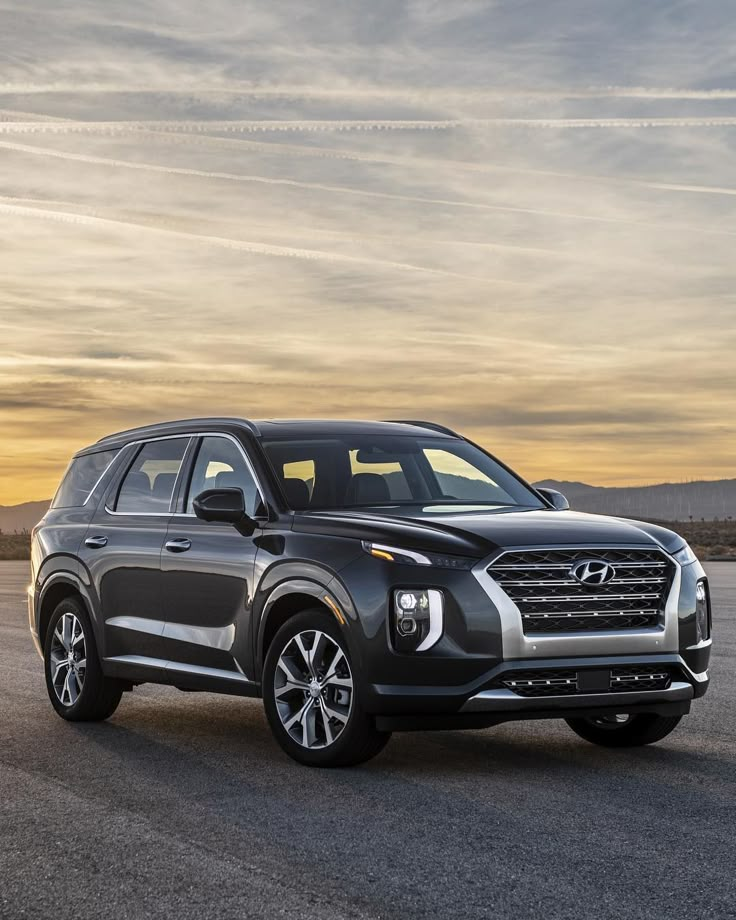
When families require substantial space and capability, Hyundai’s larger SUVs take center stage. The Santa Fe offers a spacious three-row interior, making it a true family hauler with sliding third-row seating. The Palisade represents the pinnacle of Hyundai’s SUV ambition, positioning itself as a luxury alternative with near-luxury materials, whisper-quiet cabins, and seating for up to eight. For those who need to haul heavy loads or tow trailers, the Santa Fe and Tucson offer available towing packages, while the robust Tucson provides capable off-road credentials with its available locking differential.
Technological Innovation and the Hyundai Connected Ecosystem
Modern Hyundai ownership is defined as much by its digital interface as by its mechanical prowess. The brand has aggressively updated its technology to remain competitive, centered around the Hyundai Connected platform. Most new models feature the large, portrait-oriented infotainment screen that serves as the command center for navigation, Apple CarPlay, Android Auto, and vehicle settings. The integration of wireless charging and advanced driver-assistance systems (ADAS), marketed as Highway Driving Assist, provides a glimpse into a semi-autonomous driving future. Furthermore, the introduction of the Hyundai Mobile App allows owners to remotely start the vehicle, check battery status, and even precondition the climate control systems before a drive.
Value, Warranty, and Long-Term Ownership
One cannot discuss Hyundai models without acknowledging the brand's industry-leading warranty. The 10-year/100,000-mile powertrain warranty and 5-year/unlimited-mileage roadside assistance provide peace of mind that few competitors match. This confidence is rooted in the brand's manufacturing precision and durability. Financially, Hyundai vehicles are known for holding their value better than many rivals in the same class. When it comes time to sell or trade-in, owners often find that Hyundai depreciation is more manageable, making the total cost of ownership significantly lower over the life of the vehicle.


Performance and Driving Dynamics
Hyundai has moved decisively away from the perception of its vehicles as merely compliant transportation. The performance division, particularly with the N lineage, has injected a dose of adrenaline into the lineup. The i30 N and Elantra N are hot hatches that deliver aggressive styling, stick-shift engagement, and track-focused dynamics that thrill enthusiasts. Even for those who opt for the standard trims, the tuning of the suspensions, steering, and engines across the lineup favors a responsive and engaging driving experience. Whether navigating city streets or cruising on the highway, Hyundai vehicles aim to connect the driver to the road.




Related Articles

2024 Hyundai EV Car Models: A Complete Guide to Electric SUVs and Sedans
Hyundai has rapidly transformed from a budget-friendly automaker into a leader in electric mobility, offering a compelling lineup of Hyundai EV car models that...

2024 Hyundai Car Models: Complete Guide to Latest SUVs, Sedans, and Pricing
Hyundai has evolved from a modest Korean manufacturer into a global powerhouse, redefining value, technology, and design in the automotive industry. Today, the...

2024 Toyota 4 Door Truck Models: Complete Guide to Tacoma, Tundra & More
When shopping for a full-size pickup, the Toyota truck models 4 door lineup stands out for a reason. The combination of legendary durability, advanced...

Complete Guide to All BMW Car Models List: Sedans, SUVs, and Sports Cars
Navigating the world of BMW reveals a legacy steeped in the "Ultimate Driving Machine" ethos, where every model is engineered to deliver a precise blend of...

The Complete Guide to All BMW F Series Models: F30, F15, F25, and More
The BMW F series represents a pivotal chapter in the brand’s history, establishing a benchmark for premium compact luxury crossovers that remains influential...
2024 Hyundai HCI Model: Complete Guide to the Car Name, Specs, and Features
When enthusiasts and collectors search for information regarding the Hyundai HCI model car name, they are usually looking for specifics on a fascinating piece...