Best Hyundai SUV Kereta – Prices, Specs & Reviews 2024
For buyers in the market for a new family hauler, the term "kereta Hyundai SUV" has become a frequent search query. Hyundai has aggressively reshaped its lineup over the last decade, moving away from basic transportation toward sophisticated, tech-forward vehicles that prioritize safety and comfort. This evolution has positioned the brand as a formidable challenger to long-established rivals, offering compelling value without compromising on quality or features.
Understanding the Hyundai SUV Lineup
Navigating the Hyundai SUV segment requires understanding the distinct roles each model plays. The brand offers a hierarchy of vehicles, from compact runabouts to spacious three-row family carriers. This diversity allows them to cater to urban drivers and rural families alike, ensuring there is likely a specific "kereta Hyundai SUV" variant that matches a buyer's specific lifestyle requirements. The lineup is built on a foundation of modern design language and shared engineering principles.
The Role of Platform Architecture
One of the biggest advantages Hyundai holds over competitors is its commitment to dedicated platform architecture. Unlike legacy manufacturers that simply stack higher ride heights onto sedan platforms, Hyundai builds its SUVs from the ground up. This approach optimizes the center of gravity, resulting in handling dynamics that are surprising for vehicles in this class. The rigid body construction also contributes directly to the cabin quietness and overall refinement associated with the brand.


Technology and Connectivity Features
The interior of a Hyundai SUV is often the primary reason buyers choose it over older, more established brands. The focus on user experience is evident in every interaction, particularly with the infotainment system. Large touchscreens are standard, but the real differentiator is the seamless integration of smartphone technology. Wireless Apple CarPlay and Android Auto ensure that the driver’s digital life is accessible without cluttering the cabin with cables.
Advanced Driver Assistance Systems (ADAS)
Safety is no longer an optional extra but a core component of the Hyundai value proposition. Across its SUV range, the brand offers a comprehensive suite of driver assistance technologies under the "Hyundai SmartSense" or similar branding packages. These systems are designed to assist rather than overwhelm, providing alerts for potential collisions and actively helping the vehicle maintain its lane. For a family vehicle, these features provide peace of mind during every journey.


Performance and Efficiency Considerations
When evaluating a "kereta Hyundai SUV," potential owners will find a balance between efficiency and capability. The brand has moved away from relying solely on thirsty gasoline engines, introducing sophisticated mild-hybrid systems that enhance fuel economy. These systems utilize a small electric motor to assist during acceleration and startup, smoothing out the driving experience while reducing emissions without sacrificing the power needed for overtaking.
The Practicality of Ownership
Beyond the driving experience, Hyundai targets the practical aspects of ownership with strong warranties and low maintenance costs. The standard warranty packages are among the most generous in the industry, often covering the vehicle for years or miles. This reduces the financial anxiety associated with unexpected repairs, making the total cost of ownership competitive with the best in the business.
Design Language and Interior Quality
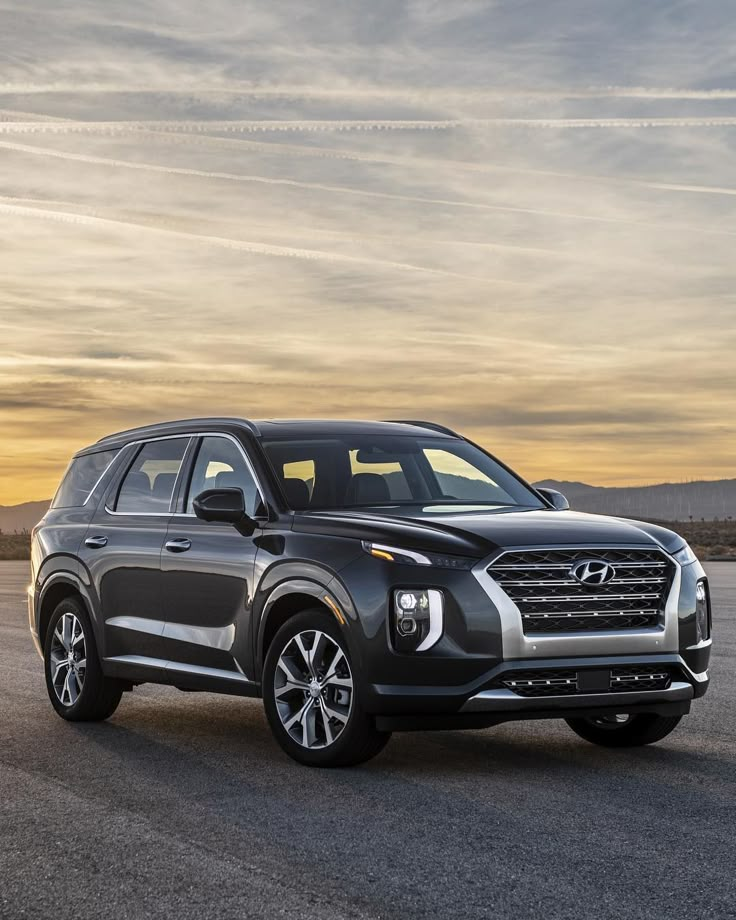
Exterior design plays a crucial role in the appeal of any Hyundai SUV. The brand has moved away from generic styling, adopting sleek, aggressive lines that convey motion even when the vehicle is stationary. The signature hexagonal griffin grille is a bold statement, flanked by sharp LED lighting that ensures visibility and style are never compromised, day or night.


Material Selection and Build Quality
Touching the interior reveals the dramatic improvement in quality. Hyundai has significantly elevated its material game, moving away from hard plastics toward soft-touch surfaces and premium leather trims. The assembly fit and finish are precise, with panel gaps that suggest a meticulous approach to manufacturing. This attention to detail transforms the cabin into a sanctuary that feels bespoke rather than mass-produced.


Related Articles

2024 Hyundai Tucson Quebec: Reviews, Prices & Specs in Quebec
The Hyundai Tucson 2024 has firmly established itself as a top contender in the competitive Quebec compact SUV market, offering a compelling blend of...

2024 Hyundai Viva Accent: Specs, Prices & Reviews
For buyers navigating the compact sedan market, the Hyundai Viva Accent continues to present a compelling case for consideration. This model has long been...

Malaysia BMW X4: Latest Prices, Reviews & Specs 2024
The Malaysia BMW X4 represents the intersection of sporty performance and practical luxury that defines the premium coupe SUV segment in Southeast Asia. As a...

Best Dealer Toyota Bogor: Prices, Reviews & Inventory 2024
For residents and car enthusiasts in Bogor, finding a reliable and trusted source for Toyota vehicles is a primary concern. The dealer Toyota Bogor stands as a...

2024+ Green Hyundai Cars: Reviews, Prices & Best Models
The green Hyundai lineup represents a significant shift in the automotive landscape, blending cutting-edge technology with a commitment to environmental...

2024 Hyundai Tiburon For Sale: Best Deals & Prices
Finding the right used sports car often feels like searching for a hidden gem, and for enthusiasts in the market for a distinctive and engaging driver’s...