Mercedes Benz vs BMW: Mahal Mana? Bandingkan Harga & Nilai Sekarang!
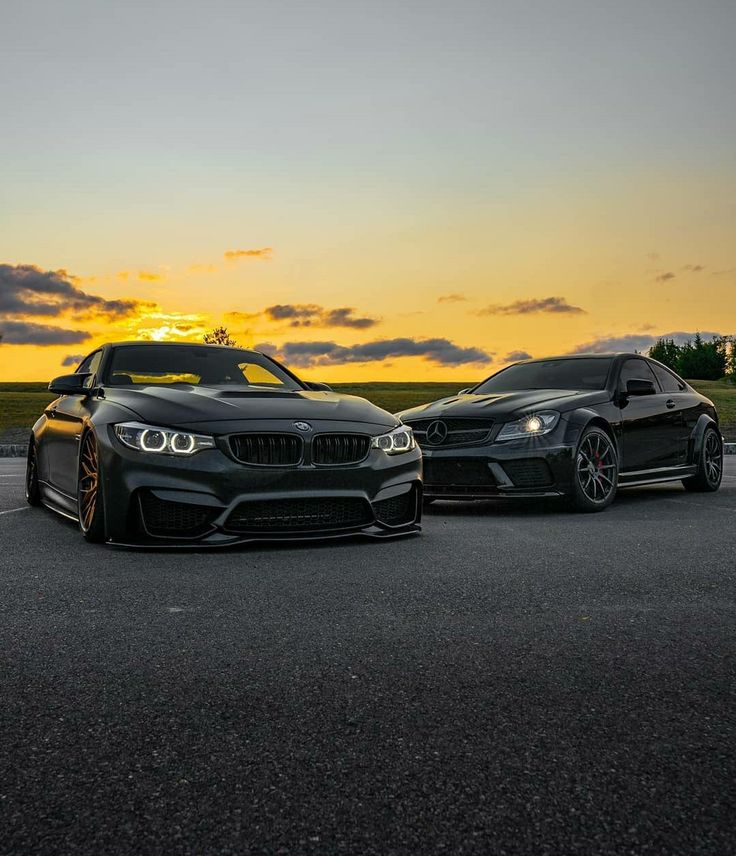
When comparing two of Germany's most prestigious automotive icons, the discussion surrounding Mercedes-Benz dan BMW often centers on the question of value: which brand represents the greater investment? This enduring debate transcends simple preference, delving into the core philosophies, driving dynamics, and long-term ownership experiences each marque offers. Understanding the nuances between Mercedes-Benz and BMW is essential for any discerning buyer navigating the luxury automotive market.
The Heritage and Philosophy Divide
To evaluate Mercedes-Benz dan BMW, one must first acknowledge their distinct historical roots and brand identities. Mercedes-Benz, with a legacy dating back to the invention of the automobile itself, has long been synonymous with engineering innovation, safety, and the pinnacle of automotive luxury. Their design language traditionally emphasizes comfort, elegance, and a commanding presence, aiming to provide a serene and opulent sanctuary on wheels. In contrast, BMW's heritage is inextricably linked to its origins as an aircraft engine manufacturer and its famous Neue Klasse sedans. The Bavarian brand is fundamentally built on the concept of the "Ultimate Driving Machine," prioritizing dynamic performance, precise steering, and an engaging connection between the driver and the road. This core philosophical difference manifests in everything from chassis tuning to interior ambiance.
Design Language and Interior Ambiance
The visual and tactile experience of each brand tells a different story. Mercedes-Benz interiors are frequently described as grand, luxurious cabins, often featuring the sweeping "Double Diamond" dashboard architecture. The focus is on high-quality materials, expansive digital displays, and an atmosphere of refined tranquility, designed to make passengers feel cocooned. BMW interiors, while equally sophisticated, adopt a more driver-centric "flying buttress" layout. The cockpit is oriented towards the front seats, with a pronounced center console and a digital instrument cluster that places critical information directly in the driver's line of sight. The materials are premium but often arranged with a focus on functionality and sportiness, creating an environment that feels more intimate and performance-oriented than a Mercedes-Benz sanctuary.


Driving Dynamics and Performance Character
This brings us to the most significant differentiator for many enthusiasts: the driving experience. The phrase "Ultimate Driving Machine" is more than marketing for BMW; it's a core engineering directive. BMW vehicles typically exhibit sharper turn-in, more linear power delivery, and a more communicative chassis that conveys detailed feedback about the road. Their suspensions are often tuned for a firmer, more agile ride that prioritizes handling over plushness. Mercedes-Benz, conversely, excels at creating a sense of effortlessglide. Their Magic Body Control and advanced air suspension technologies soak up imperfections, delivering a ride quality that is exceptionally smooth and stable, even during spirited driving. A Mercedes-Benz feels poised and serene; a BMW feels agile and alive.
The Practical Considerations of Ownership
Beyond the thrill of the drive, practical ownership factors play a crucial role in the Mercedes-Benz dan BMW equation. Maintenance costs for both brands are substantial, reflecting their use of premium materials and complex technology. However, the nature of these costs can differ. Mercedes-Benz advanced engineering, particularly with features like air suspension or complex multi-link rear axles, can lead to higher repair bills if components wear out. BMW's performance-oriented parts, such as brakes and tires, may also wear more aggressively due to the standard tuning. Reliability data between the two brands is often closely matched, with both prone to similar electronic gremlins as vehicles age, making a strong warranty and a relationship with a reputable independent specialist invaluable.


Technology and Innovation Arms Race
Technology and Innovation Arms Race
Both brands are locked in a relentless pursuit of technological superiority, ensuring that choosing between them is rarely a simple matter of one being outdated. Mercedes-Benz has consistently been a pioneer, introducing groundbreaking features like the pioneering MBUX infotainment system with its voice-controlled "Hey Mercedes" assistant and advanced driver-assistance systems (like DRIVE PILOT). BMW counters with its iDrive system, lauded for its logical menu structure and seamless integration of connectivity. Electric mobility is the latest battleground, with Mercedes-Benz's EQE and EQS offering breathtaking luxury and cutting-edge battery tech, while BMW's i4 and the upcoming Neue Klasse aim to blend sporty dynamics with sustainable performance. The choice often hinges on which brand's technological vision aligns with your personal values and expectations.
Making the Final Decision
Ultimately, determining whether a Mercedes-Benz or a BMW holds greater value is a deeply personal decision that reflects your individual priorities. If your ideal motoring experience is defined by supreme comfort, effortless luxury, and being driven by the latest innovations, a Mercedes-Benz is likely your answer. If you crave a more visceral connection to the road, prioritize handling dynamics, and desire a cockpit that places you firmly in control, the BMW flag will likely wave strongest. The best course of action is to schedule appointments with both a Mercedes-Benz and a BMW dealer. Sit in the driver's seat, take each for a spirited test drive, and feel which brand's philosophy resonates with your own driving persona and lifestyle.


Related Articles

Harga BMW dan Mercedes Benz Terbaru 2024: Bandingkan Biaya!
Memahami harga BMW dan Mercedes-Benz bukan sekadar melihat angka pada brosur, melainkan langkah awal untuk memilih mobil premium yang benar-benar sesuai dengan...

Mercedes Benz vs BMW: Key Differences Explained
Choosing between a Mercedes-Benz and a BMW is often less about deciding on a car and and more about deciding on a philosophy. Both brands represent the...
BMW vs Mercedes-Benz: Which Luxury Brand Wins?
When comparing two of the most prestigious names in the automotive world, the question “is BMW better than Mercedes-Benz” rarely has a simple yes or no answer...

Mercedes Benz Fires Back at BMW Ad: The Ultimate Comparison
In the high-stakes world of luxury automotive marketing, few rivalries are as storied as the competition between Mercedes-Benz and BMW. When a major...
Mercedes Benz vs BMW 2024: Which Luxury German Car is Best?
Choosing between a Mercedes-Benz and a BMW is less about finding the definitive best car and more about identifying which brand’s philosophy aligns with your...
Mercedes Benz vs BMW Commercial Showdown: The Ultimate Luxury Battle
The term "Mercedes-Benz BMW commercial" immediately evokes a specific world of luxury automotive marketing. These two German titans have long defined the...