Mercedes vs BMW: The Ultimate German Luxury Car Showdown
When enthusiasts debate German automotive excellence, the conversation almost always narrows to two titans: Mercedes-Benz and BMW. Both brands represent the pinnacle of engineering, luxury, and performance, yet they cater to subtly different drivers. Understanding the distinction between Mercedes en BMW is less about which is superior and more about which philosophy aligns with your personal definition of the perfect vehicle.
The Heritage of Precision and Prestige
The historical narratives of Mercedes en BMW provide the foundation for their modern identities. Mercedes-Benz traces its origins to the invention of the motorcar itself, with a legacy steeped in safety innovations and aristocratic association. The brand has long positioned itself as the guardian of passenger comfort, offering a royal experience defined by silence, serenity, and sumptuous materials. Conversely, BMW’s heritage is rooted in aviation engineering and the "Ultimate Driving Machine" ethos. Born from the need for agility, BMW prioritizes dynamic feedback, razor-sharp steering, and a connection to the road that makes the journey as important as the destination. This fundamental difference in origin dictates whether you seek a throne or a cockpit.
Design Language: Sculpted Elegance vs. Athletic Aggression
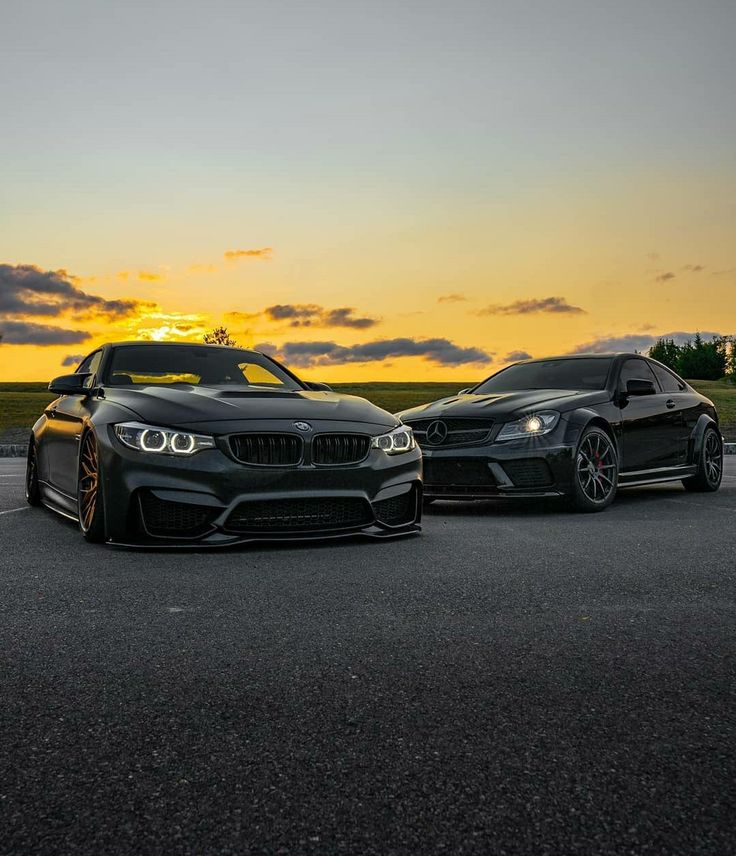
Visual design is the most immediate way to distinguish Mercedes en BMW. Mercedes-Benz design has evolved into a language of flowing lines, bold grilles, and aggressive yet elegant silhouettes. The current design philosophy, often termed "Sensual Purity," emphasizes luxurious curves, chrome accents, and a commanding front end that screams presence and stability. BMW, meanwhile, clings to its iconic kidney grille and Hofmeister Kink, design cues that signal sporty intent. Their vehicles are visually lighter, with sharp creases, muscular wheel arches, and a focus on aerodynamic efficiency. The choice often comes down to aesthetic preference: do you gravitate toward the stately grandeur of a Mercedes S-Class or the taut, athletic stance of a BMW M5?


Interior Atmosphere and Technology
Step inside, and the contrast between Mercedes en BMW becomes even more apparent. Mercedes interiors are renowned for their theater and tranquility. The embrace of soft-touch materials, ambient lighting, and expansive wood veneers creates a cabin that feels like a private lounge. The MBUX system is intuitive, but the focus remains on the driver’s serenity. BMW interiors, while increasingly luxurious, are designed with the driver in mind. The iDrive system is notoriously logical, placing controls within easy reach of the steering wheel. The minimalist Scandinavian-inspired aesthetic prioritizes functionality and focus, stripping away excess to keep the driver engaged with the road ahead.
Performance Philosophy: Refined Power vs. Precise Handling
Both brands offer blistering performance, but their approaches diverge significantly. Mercedes-AMG vehicles deliver immense power with a focus on effortless speed and refinement. The feeling is one of supernatural acceleration wrapped in a comfortable cocoon, making it easy to drift past traffic without ever feeling agitated. BMW M models, however, are engineered for precision. They leverage perfect weight distribution, lightweight construction, and advanced suspension geometry to carve corners with surgical accuracy. The power is explosive, but it is the feedback through the steering wheel and the stability through fast bends that define the BMW experience. It’s the difference between a thunderstorm and a lightning strike—one is overwhelming, the other is instantaneous.


- Comfort: Mercedes generally offers a more relaxed ride, absorbing bumps with grace.
- Handling: BMW provides superior agility and cornering confidence.
- Technology: Both are leaders, but Mercedes focuses on luxury tech, while BMW emphasizes driver-focused connectivity.
- Brand Image: Mercedes is associated with success and stability; BMW is linked to sportiness and precision.
The Driving Experience: A Question of Balance
Ultimately, the debate surrounding Mercedes en BMW culminates in the driving dynamics. A Mercedes E-Class or S-Class glides down the highway, isolating passengers from the chaos with supernatural soundproofing and adaptive air suspension. It is a vessel of comfort and authority. A BMW 5 Series or 3 Series, however, feels alive. The chassis communicates with the driver, providing constant updates on grip levels and body roll. The steering is weighted and honest, making the driver feel like an extension of the machine. If you want to arrive relaxed and in style, Mercedes wins. If you want to feel the road and enjoy the journey, BMW is the answer.
Making the Decision: Aligning with Your Needs
Choosing between Mercedes en BMW is a deeply personal decision that hinges on your daily routine and driving priorities. Consider your lifestyle: Are you navigating tight urban streets or cruising on open highways? Do you value back-seat comfort for family passengers, or is your drive primarily a solo affair? For the executive who desires maximum comfort and a statement of success, a Mercedes-Benz is often the default, safe choice. For the enthusiast who refuses to compromise on handling and wants a car that feels responsive and alive, a BMW is the clear winner. Both are excellent investments in German engineering; the right one is simply the one that best fits your soul.




Related Articles

Mercedes S560 vs BMW 750i: Ultimate Luxury Sedan Showdown
When comparing the Mercedes S560 and BMW 750i, you are looking at two of the most accomplished entries in the full-size luxury sedan segment. Both vehicles...

Electric Mercedes BMW: Ultimate Luxury EV Showdown
The conversation around sustainable luxury mobility has evolved significantly, and the electric Mercedes BMW segment stands at the very forefront of this...

Mercedes S Class vs BMW 7 Series: The Ultimate Luxury Sedan Showdown
When comparing flagship sedans, the Mercedes S-Class and BMW 7 Series stand as the undisputed leaders, representing the pinnacle of luxury, performance, and...

BMW 7 Series vs Mercedes S Class: The Ultimate Luxury Showdown
Choosing between the BMW 7 Series and the Mercedes-Benz S-Class means deciding between two of the most refined and technologically advanced luxury sedans in...

Mercedes Benz vs BMW Commercial Showdown: The Ultimate Luxury Battle
The term "Mercedes-Benz BMW commercial" immediately evokes a specific world of luxury automotive marketing. These two German titans have long defined the...

BMW X7 vs Mercedes G-Wagon: The Ultimate Luxury SUV Showdown
When comparing two of the most imposing presence vehicles on the road, the BMW X7 vs G Wagon debate highlights distinct philosophies of luxury and adventure...