Toyota Car Key Battery Change: Easy DIY Guide & Cost-Saving Tips
For the Toyota owner, understanding how to change a Toyota car key battery is less about a DIY mechanic project and more about maintaining the seamless connection between you and your vehicle. A weak transponder key battery often manifests as frustrating hesitations—doors that fail to lock, a key fob that struggles to start the engine, or a distant, unreliable remote. This simple maintenance task can restore the immediate responsiveness your Toyota is known for, ensuring your security system and smart entry features operate without interruption.
Recognizing the Symptoms of a Failing Key Battery
The most obvious sign that your Toyota key battery is running low is a noticeable drop in range. You might find yourself walking further from your car to trigger the remote, or the vehicle only responds when the key is pointed directly at the receiver. More subtle symptoms include buttons that feel "mushy" or require multiple presses, and a complete failure to program a new key if the battery is entirely dead during the process. If your Toyota's panic function or trunk release is sluggish, the culprit is often the key fob's power source rather than the vehicle's systems.
Tools You Will Need
Replacing the battery in your Toyota key fob requires minimal equipment, making it an accessible task for any driver. You will need a small, precise screwdriver—often a Phillips #0 or a flathead eyeglass screwdriver— to pry open the key casing without causing cracks. A fresh CR2032 3V lithium coin battery is the standard for most Toyota models, readily available at pharmacies, auto parts stores, or online retailers. Keeping a clean, well-lit workspace ensures you do not lose the tiny internal components or damage the waterproof seal during reassembly.


Step-by-Step Replacement Guide
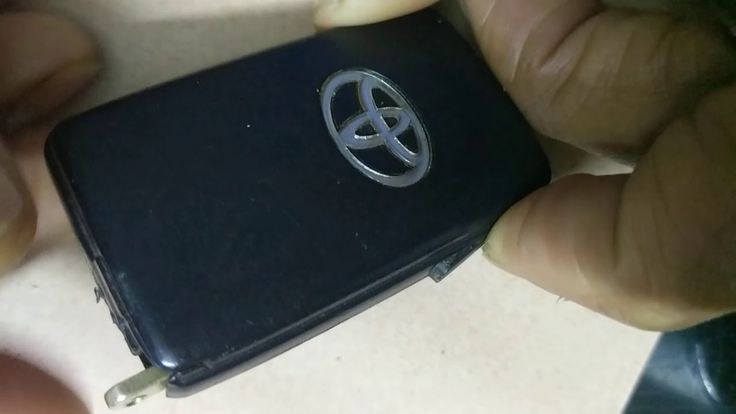
The process begins by locating the small hidden mechanical key stored inside the fob; gently press the release tab to slide it out. This mechanical key usually hides a seam; insert the screwdriver into this gap and carefully twist to separate the two halves of the plastic casing. Once open, you will see the circuit board and the battery holder. Carefully lift the old battery out using the screwdriver tip or a non-metallic pry tool, taking care not to damage the holder's contacts. Place the new CR2032 battery into the holder, ensuring the positive side (marked with +) is facing up, as incorrect installation can cause the fob to malfunction.
Reassembly and Testing
After inserting the new battery, align the two halves of the fob case, ensuring the circuit board and battery sit flush within the housing. Apply firm, even pressure to snap the casing back together until you hear a distinct click, indicating the seam is secure. Before considering the job finished, test the key immediately by standing at a normal operating distance and pressing the lock and unlock buttons. A successful repair will result in instant response from the doors, confirming that the Toyota car key battery is now providing the necessary power for reliable communication.


Model-Specific Considerations and Smart Keys
While the basic procedure is consistent across Toyota, Lexus, and Scion models, specific years and trims may feature variations in key design. For example, newer intelligent key systems, often called Smart Keys, might incorporate a push-button start mechanism with an internal coin cell battery located in the key handle rather than the remote. If your Toyota features a keyless entry ring or a card-style key, consult your owner's manual for the exact battery model and the specific disassembly procedure, as these designs often require a different technique to avoid damaging the slim electronic components.
Extending the Life of Your Key Fob Battery
You can maximize the interval between changes by adopting a few simple habits. Avoid leaving the key fob exposed to extreme heat, such as on a dashboard during summer months, as high temperatures accelerate battery drain. Also, minimize the strain on the battery by keeping the fob clean; dirt and debris on the contacts can impede the signal, causing the remote to work harder than necessary. If you plan to store your Toyota for an extended period, removing the battery from the key fob entirely prevents parasitic drain and preserves its charge for your next drive.



Related Articles

Toyota Sienna Key Fob Battery Replacement: Easy DIY Guide & Cost-Saving Tips
Owning a Toyota Sienna provides the reliable, spacious transportation a modern family needs, but convenience features like the key fob require regular...

Toyota Aqua Key Fob Battery Replacement: Easy Guide & Cost-Saving Tips
Replacing the battery in your Toyota Aqua key fob is a straightforward process that saves both time and money. Many owners assume a dealership visit is the...
How to Change Key Fob Battery Toyota GR86: Quick & Easy Guide
Changing the key fob battery in your Toyota GR86 is a straightforward maintenance task that ensures you never get locked out unexpectedly. This simple...
How to Change Battery in Your Toyota CHR Key Fob: Easy Step-by-Step Guide
Replacing the battery in your Toyota CH-R key fob is a straightforward process that ensures your remote entry system continues to function without...

How to Change a Car Battery for a Toyota Corolla: Easy Step-by-Step Guide
Replacing the battery in your Toyota Corolla is a straightforward maintenance task that can save you both time and money. Whether you are facing a slow crank...
How to Change Your Toyota Key Battery: Easy DIY Guide
Replacing the battery in your Toyota key fob is a straightforward process that saves time and money compared to a dealer visit. Modern Toyota key fobs, whether...