Toyota Estima Dashboard Symbols: Complete Guide to Meanings & Warning Lights
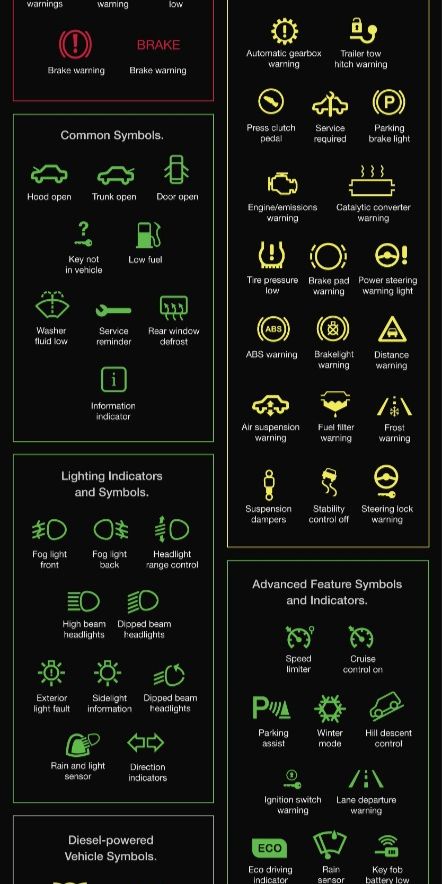
Understanding the language of your Toyota Estima’s dashboard is fundamental to responsible vehicle ownership. The intricate network of symbols and indicators serves as the primary communication channel between the vehicle’s complex computer systems and the driver, translating abstract data into actionable information. Ignoring these warnings can lead to severe mechanical failures, expensive repairs, or even dangerous driving situations; therefore, familiarizing yourself with these signals is not just about maintaining the car’s health, but ensuring the safety of everyone on the road.
Critical Warning Lights: Immediate Action Required
Some dashboard symbols demand your immediate attention, and distinguishing between the urgent and the informational is a critical skill. These are generally represented by red or orange icons that resemble elements requiring urgent human intervention. Driving with these warnings illuminated can result in catastrophic engine failure or significant safety risks, making it imperative to pull over safely as soon as possible when they appear.
Engine Temperature and Oil Pressure
The most critical indicators are the thermometer symbol for overheating and the oil can symbol for low oil pressure. If the temperature gauge symbol illuminates, it indicates the engine is running hotter than safe parameters, risking seized pistons or a blown head gasket. Simultaneously, the oil warning light signifies that oil pressure has dropped to a level that prevents proper lubrication; continuing to drive in this state will destroy the engine within minutes due to unlubricated metal components grinding against each other.


Brake and Battery Alerts
A warning symbol featuring an exclamation mark inside a circle alerts the driver to a critical brake system failure, which immediately compromises stopping power. Another severe warning is the battery symbol, which indicates the charging system is malfunctioning. If this light stays on while driving, it means the battery is not being charged, and the vehicle will eventually stall, leaving you stranded and potentially requiring a jump-start or replacement of the alternator.
Standard Operational Indicators: System Status
Not all lights are cause for panic; many are standard operational indicators that confirm a system is active or has been successfully engaged. These symbols are usually green, blue, or white and serve to inform the driver of a feature’s status rather than alert them to a malfunction. Recognizing these helps drivers understand why a system behaves a certain way, such as why the high beams are on or why the parking brake is engaged.


Lights and Security Features
When you turn on your headlights or activate the high beams, corresponding symbols will illuminate to confirm the current lighting mode. Similarly, the security system icon, often shaped like a car with a key or padlock, indicates that the anti-theft system is active. While these are not warnings, they verify that the safety and visibility features are functioning as intended, providing peace of mind during night drives or when leaving the vehicle unattended.
Maintenance and Informational Symbols
Modern Toyotas like the Estima are designed to guide maintenance schedules rather than rely solely on fixed time intervals. The "Maintenance Required" light is a friendly reminder that upcoming services like an oil change or tire rotation are due based on the engine’s computer calculations. Additionally, the washer fluid symbol, often depicted as a windshield with fluid spray, is a practical indicator that you need to top up the screen wash, a simple task that ensures clear visibility during rainy or dusty conditions.
Navigating the Multi-Info Display
Many Toyota Estima trims come equipped with a multi-information display that presents data in a text-based format alongside the standard analog gauges. This screen can show detailed diagnostics, including tire pressure readings, fuel economy statistics, and system alerts. Understanding how to scroll through and interpret these text alerts is essential for accessing a deeper level of vehicle diagnostics beyond the basic warning lights visible on the dashboard cluster.


Proactive Measures and Best Practices
When a warning light appears, the recommended course of action is to first consult the owner’s manual specific to your model year, as symbols can vary slightly between generations. If a critical light illuminates while driving, the priority is to stop the vehicle safely without causing panic or sudden maneuvers. Regular diagnostic checks using an OBD-II scanner can also help identify issues before the warning light appears, allowing for repairs that are both time and cost-effective in the long run.




Related Articles

Toyota Aqua Dashboard Symbols: Complete Guide to Warning Lights & Meanings
Understanding the dashboard symbols of your Toyota Aqua is more than just deciphering lights; it is about maintaining the safety, efficiency, and longevity of...
Toyota Mark X Dashboard Warning Lights: Complete Guide to Symbols & Meanings
Understanding the language of your Toyota Mark X is essential for maintaining its performance and safety, and the dashboard warning lights serve as the...
Toyota Dashboard Symbols Decoded: Complete Guide to Warning Lights
Understanding the dashboard warning toyota dashboard symbols is essential for every owner, as these indicators provide real-time insight into the vehicle's...
2017 Toyota Corolla Dashboard Symbols: Complete Guide to Warning Lights
Driving a 2017 Toyota Corolla provides a reliable and efficient experience, but understanding the dashboard symbols is crucial for maintaining that...
2020 Toyota Sienna Dashboard Symbols: Complete Guide to Warning Lights
Understanding the language of your 2020 Toyota Sienna is essential for safe and confident driving. The dashboard serves as the primary communication link...

Toyota Prius V Dashboard Symbols: A Complete Guide to Warning Lights & Indicators
Understanding the language of your Toyota Prius V is essential for safe and efficient driving. The dashboard serves as the central communication hub, relaying...