Toyota Geo Tracker: The Ultimate Guide to Specs, Reviews & 2024 Models
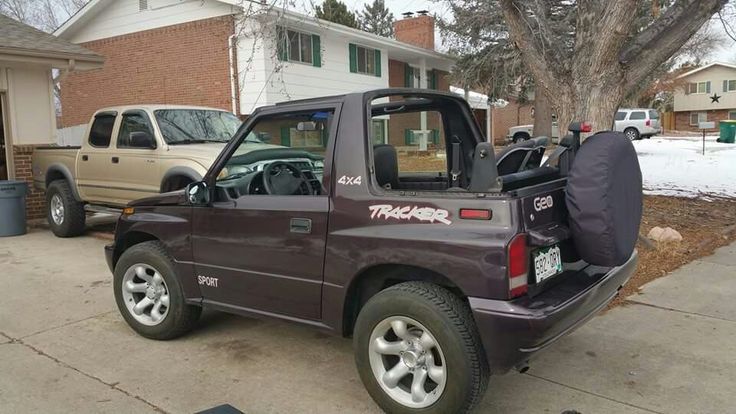
The Toyota Geo Tracker stands as a unique entry in the compact SUV segment, blending the reliability of Japanese engineering with the rugged utility of a small off-roader. Produced from 1989 through 2004 as a Geo model and continuing until 2006 as a Chevrolet, this vehicle carved a niche for itself among outdoor enthusiasts and budget-conscious buyers seeking a durable second car. Its distinctive boxy profile and no-frills approach to design have earned it a dedicated following, even years after production ceased.
Design and Practicality: Form Meets Function
Visually, the Tracker is impossible to ignore. Its squared-off body, high-mounted headlights, and boxy cargo area give it an unmistakable, purposeful aesthetic that prioritizes utility over aerodynamic finesse. This design is not merely cosmetic; it contributes directly to the vehicle's capability. The high ground clearance and short overhangs translate to impressive approach and departure angles, making it well-suited for navigating rocky trails and uneven terrain where more refined SUVs might scrape and catch. Inside, the cabin is a testament to thoughtful space utilization, offering a surprisingly roomy environment for a compact SUV with flexible rear seats that fold flat to maximize cargo capacity.
Engineering the Adventure: Drivetrain and Capability
Under the hood, the Geo Tracker typically mated a peppy 1.6-liter inline-four engine to a choice of five-speed manual or three-speed automatic transmissions, providing adequate power for daily driving and light off-roading. The real heart of its capability, however, lies in its robust four-wheel-drive system. Unlike many part-time systems, the Tracker's setup could be engaged on the fly without needing to stop, a significant advantage for navigating unpredictable conditions. When paired with a manual front differential lock, often available in off-road packages, the Tracker transformed into a serious tool for conquering mud, snow, and loose gravel, establishing its credentials as a genuine recreational vehicle.


Ownership Experience: Reliability and Maintenance
One of the primary draws for Toyota and Geo enthusiasts is the brand-backed reputation for longevity and dependability. With proper maintenance, a Tracker can easily log hundreds of thousands of miles, making it a sound investment for those willing to perform regular upkeep. Routine maintenance is generally straightforward and affordable, relying on widely available parts common to the GM platform shared with the Suzuki Sidekick. While finding a qualified mechanic is rarely an issue, owners should pay particular attention to the transfer case fluids and transfer chain, as these are wear items typical of four-wheel-drive systems that require periodic servicing to ensure long-term functionality.
Safety and Modern Considerations
It is important to contextualize the Tracker within its era; safety standards have evolved dramatically since its production run ended in the mid-2000s. Consequently, the Tracker lacks the stability control, advanced airbags, and rearview cameras that are standard in today's vehicles. For its time, it provided a basic level of safety, but drivers should anticipate a firm, unsettled ride compared to modern cars and even newer SUVs. The steering is notably heavy, and the braking feel, while adequate, requires more physical effort than contemporary vehicles, characteristics that some drivers appreciate for the direct connection to the road.


The Collector's Appeal and Market Today
As the years pass, the Toyota Geo Tracker is transitioning from a forgotten workhorse to a celebrated piece of automotive nostalgia. Its simple mechanics and robust construction have made it a favorite candidate for DIY restoration projects, ensuring that these little SUVs continue to hit the trails. Values remain reasonable, presenting an accessible entry point for buyers seeking a genuine, no-nonsense off-roader that stands apart from the sea of homogenized crossovers. For the adventurous soul, the Tracker offers a raw and rewarding driving experience that connects the driver directly to the terrain.
Verdict: An Enduring Utility Vehicle
The Toyota Geo Tracker is more than just a car; it is a tool that embodies a specific era of motoring. It asks for a certain level of mechanical sympathy and acceptance of its quirks in exchange for unparalleled reliability and go-anywhere capability. Whether used as a backyard project, a reliable commuter in harsh climates, or a dedicated trail vehicle, the Tracker delivers on its promise of honest, uncomplicated transportation. For the right driver, this compact SUV remains a compelling and enduring choice in the used market.




Related Articles

Toyota Biggest SUV 2024: The Ultimate Guide to the Largest Models
As the automotive landscape shifts toward electrification and enhanced capability, the conversation surrounding the Toyota biggest SUV 2024 has never been more...

Toyota Corolla Cross Hybrid: The Ultimate Guide to Specs, Price & Reviews
The Toyota Corolla Cross Hybrid represents a significant evolution in the compact SUV segment, blending the Corolla's legendary reliability with the...

2024 Toyota Hilux: The Ultimate Guide to Specs, Price & Off-Road Capability
The 2024 Toyota Hilux represents the pinnacle of mid-size truck engineering, blending legendary durability with a refined interior and cutting-edge technology...

Every 2 Series BMW: The Ultimate Guide to Specs, Models & Reviews
The every 2 series BMW represents the brand’s bold entry into the premium compact segment, marrying agile handling with luxurious appointments. Since its...

Ultimate Guide to BMW All Models in Germany: 2024 Prices, Specs & Availability
For enthusiasts and professionals navigating the premium automotive landscape, understanding the full spectrum of BMW all models Germany is essential. The...

BMW Bike Variants: Ultimate Guide to Models & Specs
BMW has long been synonymous with precision engineering and driving exhilaration, and the company’s two-wheeled legacy is equally impressive. While the German...