2021 Toyota Highlander Fob Battery: Easy Replacement Guide
Owning a 2021 Toyota Highlander provides a reliable and comfortable driving experience, but like any piece of technology, it requires specific maintenance knowledge. One common issue many owners face is a dying key fob battery, which can lead to frustrating situations where the vehicle fails to respond when you need it most. Understanding the specifics of the 2021 Highlander's key fob, including the battery type and replacement procedure, is essential for maintaining seamless access to your vehicle.
Identifying the Correct Battery for Your 2021 Highlander
The first step in addressing a weak key fob is identifying the correct replacement battery. The 2021 Toyota Highlander utilizes a specific type of coin cell battery that is standard across most modern Toyota key fobs. It is crucial to use the exact specification to ensure proper functionality and avoid damaging the circuit board inside the fob housing.
CR2032 3V Lithium Coin Battery
The official specification for the 2021 Highlander key fob is a CR2032 3V Lithium coin battery. This small, round battery is widely available at pharmacies, grocery stores, and auto parts retailers. Before attempting the replacement, ensure the replacement battery is fresh and matches this voltage to guarantee the remote's range and signals remain strong.


Step-by-Step Replacement Procedure
Replacing the battery in your 2021 Highlander key fob is a straightforward process that does not require professional assistance. By following a careful, step-by-step approach, you can replace the battery in under five minutes without damaging the plastic casing or the internal components.
Tools and Preparation
Gather a small, thin object such as a flathead screwdriver, a paperclip, or a dedicated fob replacement tool. It is recommended to work on a clean, flat surface with good lighting to avoid losing the tiny battery or misplacing the internal components. Ensure your hands are clean and dry to maintain the integrity of the electrical contacts.


- Locate the small release slot on the back seam of the key fob.
- Insert the thin tool into the slot and gently twist to separate the two halves of the fob.
- Carefully remove the old battery, noting the positive (+) side orientation.
- Place the new CR2032 battery into the slot with the positive side facing up.
- Align the two halves of the fob and press firmly until they snap back together.
Troubleshooting After Battery Replacement
Once the new battery is installed, you should test the fob immediately to ensure the procedure was successful. Sometimes, simply replacing the battery is not enough to resolve signaling issues, and a quick reset can restore full functionality.
Testing the Fob and System Reset
After sealing the fob, test all buttons, including the remote trunk release and panic alarm. If the fob does not respond, try re-pairing it with the vehicle. This can often be done by inserting a spare key into the ignition, turning it to the "ON" position without starting the engine, and then pressing the buttons on the fob inside the cabin. This re-establishes the communication link between the key and the Highlander's security system.
The Impact of Battery Health on Vehicle Security
A failing key fob battery does not just mean inconvenience; it can directly impact your vehicle's security and safety features. A weak battery may cause the remote to operate inconsistently, leaving you unsure if the doors are actually locked. Furthermore, some advanced safety systems, such as automatic emergency calling, rely on the key fob's proximity sensor, making battery health a critical safety component.


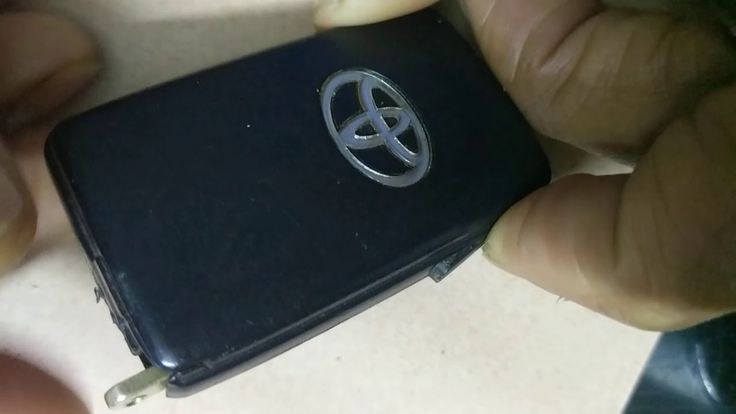
Preserving Fob Battery Life
To extend the life of your key fob battery, it is important to adopt good usage habits. Avoid storing the fob in extreme temperatures, such as leaving it on a hot dashboard or in a freezing garage, as heat and cold can degrade the lithium battery faster. Additionally, if you plan to store the Highlander for an extended period, removing the battery from the fob can prevent potential drainage and corrosion over time.


Related Articles

Toyota GT86 Key Fob Battery Replacement: Easy & Affordable Guide
Owning a Toyota GT86 means embracing a driving experience built on precision, balance, and a manual transmission that puts the driver in control. Consequently...

New Toyota Car Key Battery: Easy Replacement Guide
Finding the right new battery for your Toyota car key is a critical task for any vehicle owner. A failing key fob can lead to frustrating situations, such as...

2019 Toyota Corolla Battery Price: Cost Guide & Replacement Tips
Understanding the Toyota Corolla 2019 battery price is essential for any owner looking to maintain their vehicle's reliability. The 1.8-liter model, standard...
How to Change Key Fob Battery Toyota GR86: Quick & Easy Guide
Changing the key fob battery in your Toyota GR86 is a straightforward maintenance task that ensures you never get locked out unexpectedly. This simple...

2021 Toyota Camry CV Axle: OEM-Quality Replacement Guide
Drivers of the 2021 Toyota Camry rely on a precisely engineered drivetrain to deliver a smooth and responsive ride, with the cv axle toyota camry 2021 playing...

2018 Toyota RAV4 Cabin Air Filter: Air Flow Direction & Easy Replacement Guide
Understanding the 2018 Toyota Rav4 cabin air filter air flow direction is a critical detail for ensuring optimal in-cabin air quality and HVAC system...