Toyota Highlander Key Fob Battery: Easy Replacement Guide
Whether you are rushing to get the kids to school or heading out for a weekend adventure, a reliable entry and ignition system is essential. For Toyota Highlander owners, the key fob is the silent guardian of that convenience, and its performance is entirely dependent on a tiny component: the battery. Understanding the specifications, recognizing the signs of failure, and knowing the proper procedure for replacement ensures your Highlander remains a seamless extension of your lifestyle.
Decoding the Toyota Highlander Key Fob Battery
The heart of your convenience lies in a small, circular power source. Most Toyota Highlander models, particularly those manufactured in the last decade, utilize a specific CR2032 3V lithium coin battery for their key fobs. This standard size is chosen for its stability and long shelf life, providing the consistent voltage required for the transponder and remote functions. Using the incorrect battery type can lead to a poor connection or even damage the delicate circuitry inside the fob housing, so it is crucial to verify this specification before making a purchase.
Signs Your Battery is Failing
Unlike a smartphone, your Highlander’s key fodb often provides clear warnings before it completely dies. The most common symptom is a significantly reduced range; you may have to press the button multiple times or move closer to the vehicle for it to respond. Additionally, if the buttons feel stiff or require excessive force, or if the remote indicator light is dim or does not illuminate at all, these are strong indicators that the internal cell is weakening. Ignoring these signs can lead to an inconvenient lockout situation, making proactive replacement a smart move.


Step-by-Step Replacement Guide
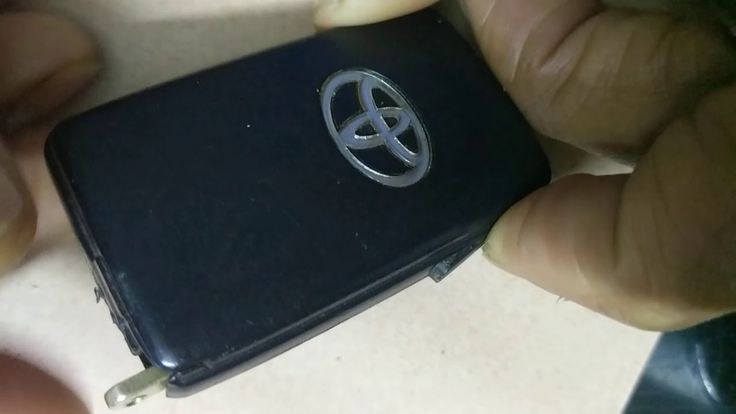
Replacing the battery in your Toyota Highlander is a straightforward process that requires minimal tools and technical knowledge. The key is to proceed methodically to avoid scratching the fob shell or damaging the internal components. You will typically need a small flathead screwdriver or a coin to pry open the case, and the replacement battery can be picked up at any automotive parts store or online retailer. Follow these steps to ensure a smooth transition.
- Locate the small release slot on the side of the key fob.
- Insert a thin object to pry the fob open along the seam.
- Carefully remove the old battery, noting the positive (+) side orientation.
- Insert the new CR2032 battery with the positive side up.
- Align the two halves of the fob and apply firm pressure until they snap together.
- Test the remote functions to confirm successful installation.
Programming and Resetting Considerations
In the vast majority of cases, replacing the battery in your Toyota Highlander key fob does not require any reprogramming. The vehicle’s computer recognizes the fob based on a unique cryptographic code that is stored in the battery-independent memory of the device. As long as the physical components remain intact and the correct battery is installed, you should experience immediate functionality. However, if the fob was damaged or the internal wiring is compromised during battery replacement, a visit to the dealership might be necessary to re-establish the secure radio frequency link.


Maximizing Battery Life
While the CR2032 battery is designed to last several years, usually between 3 to 5 years, certain habits can extend its lifespan. Avoid exposing the key fob to extreme heat, such as leaving it on a dashboard during summer, as high temperatures can accelerate battery drain. Additionally, minimizing the number of unnecessary button presses conserves energy. If you plan to store the Highlander for an extended period, it is advisable to remove the battery from the fob to prevent potential leakage and corrosion over time.
OEM vs. Aftermarket Options
When the time comes for a replacement, consumers face the choice between Original Equipment Manufacturer (OEM) parts and aftermarket alternatives. Toyota-branded batteries are engineered to exact specifications and offer peace of mind regarding reliability and warranty coverage. While third-party brands can offer a more economical solution, they may vary significantly in quality. Cheaper batteries might have a shorter lifespan or inconsistent voltage output, potentially leading to intermittent functionality that frustrates users over time.
| Feature | Toyota OEM | Aftermarket |
|---|---|---|
| Price | Higher | Variable (Often Lower) |
| Reliability | Consistent | Can Vary by Brand |
| Warranty | Typically Included | Rarely Offered |
| Fit and Form | Exact Match | Possible Tolerance Issues |




Related Articles
Toyota GT86 Key Fob Battery Replacement: Easy & Affordable Guide
Owning a Toyota GT86 means embracing a driving experience built on precision, balance, and a manual transmission that puts the driver in control. Consequently...

New Toyota Car Key Battery: Easy Replacement Guide
Finding the right new battery for your Toyota car key is a critical task for any vehicle owner. A failing key fob can lead to frustrating situations, such as...

2019 Toyota Corolla Battery Price: Cost Guide & Replacement Tips
Understanding the Toyota Corolla 2019 battery price is essential for any owner looking to maintain their vehicle's reliability. The 1.8-liter model, standard...
How to Change Key Fob Battery Toyota GR86: Quick & Easy Guide
Changing the key fob battery in your Toyota GR86 is a straightforward maintenance task that ensures you never get locked out unexpectedly. This simple...

2018 Toyota RAV4 Cabin Air Filter: Air Flow Direction & Easy Replacement Guide
Understanding the 2018 Toyota Rav4 cabin air filter air flow direction is a critical detail for ensuring optimal in-cabin air quality and HVAC system...
How to Replace the Battery in a 2015 Toyota Camry Key Fob: Easy Step-by-Step Guide
For the 2015 Toyota Camry owner, the key fob is more than a piece of plastic; it is the digital bloodline to your vehicle. When the reassuring chirp of the...