Toyota Motorhome Brake Failure: When Dad's Road Trip Takes a Turn
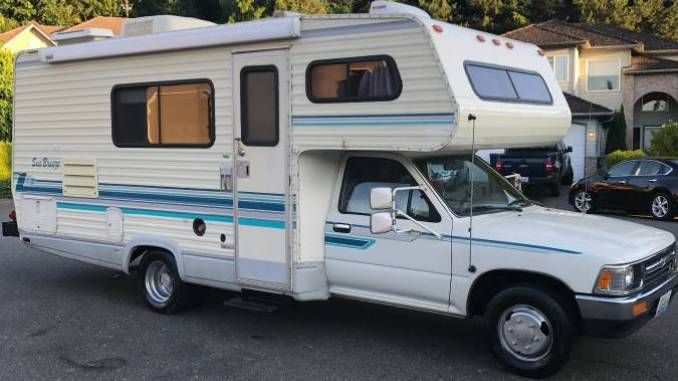
For many families, the Toyota motorhome represents the ultimate symbol of freedom, a rolling fortress of comfort that turns the open road into a private vacation zone. These durable machines are engineered to handle miles of adventure, but even the most robust build can meet its match in the most unpredictable location: the driveway. The scenario is all too common—a morning rush to get the kids to school, a misjudged turn, and the unmistakable crunch of metal as the formidable rear end of a motorhome connects with a less sturdy obstacle. This is the story of the Toyota motorhome breaking dad, a moment where the vehicle's imposing presence collides with the fallibility of its operator.
The Appeal of the Mobile Fortress
Toyota has long been a name synonymous with reliability in the automotive world, and their motorhome lineup is no exception. Models like the HiAce conversion or the larger Coaster buses offer a unique blend of power, space, and practicality that is hard to beat. Owners invest significant time and money outfitting these vehicles with bespoke sleeping quarters, kitchenettes, and entertainment systems, transforming them into luxurious on-the-go homes. The confidence instilled by this capability often leads drivers to forget the sheer scale of the machine they are commanding.
Understanding the Dynamics of Size
The sheer dimensions of a Toyota motorhome create a blind spot for even the most experienced driver. Unlike a standard sedan, the rear overhang is substantial, and the turning radius is dictated more by physics than preference. When reversing out of a driveway or navigating a tight campsite, the driver is often looking at a world of blind spots where a low wall, a flowerpot, or another vehicle can exist just outside the field of vision. This disconnect between the driver's perception and the vehicle's actual position is the primary culprit in these "breaking dad" moments.


Common Culprits Behind the Collision
While the dramatic image of a motorhome shearing off a garage door is common, the damage often occurs in quieter, more embarrassing moments. Forgetting the extended length during a parallel park can result in a gentle tap on a curb that scrapes the paint. Misjudging the height clearance on a low bridge or carport can lead to a crumpled roof rack. In driveways with steep angles, the fragile sensors or rear bumper can easily scrape against the ground, turning a simple exit into a lesson in humility.
| Common Incident | Typical Cause | Result |
|---|---|---|
| Rear bumper damage | Over-reliance on cameras/sensors | Cosmetic scratches or bending |
| Scraped undercarriage | Steep driveway angles | Underside scraping or exhaust damage |
| Paint scratches | Misjudging width in tight spaces | Surface marks requiring polish |
The Emotional Toll of the Impact
The sound of the impact is often followed by a heavy silence. Dad, who just moments ago was confidently navigating the vehicle, is suddenly frozen, calculating the cost of the damage and the inevitable lecture that follows. It is more than just the repair bill; it is the deflation of the expert persona. In that split second, the invincible driver is brought back to earth, forced to confront the reality that owning a machine this powerful requires a constant, active awareness that cannot be delegated.


Moving Past the Mistake
Recovery from a Toyota motorhome breaking dad moment is a process of adjustment and acceptance. The initial frustration gives way to practical solutions. Installing reinforced bumpers, investing for a comprehensive camera system, or simply committing to a rigorous practice regimen in an empty parking lot are all steps toward reclaiming confidence. The goal is not to dwell on the dent but to recognize that the vehicle is an extension of the driver's responsibility, requiring respect and mindfulness.
Prevention Strategies for the Modern Driver
Avoiding the heartbreak of vehicle damage requires a shift in perspective. Treat the motorhome not as a car, but as a building that you are steering. Utilizing spotters when reversing, physically walking the route to check for low obstacles, and embracing slow, deliberate movements are time-tested strategies. Technology like 360-degree cameras is helpful, but it should supplement, not replace, the fundamental practice of situational awareness.
Ultimately, the tale of the Toyota motorhome breaking dad is a rite of passage for many adventurers. It is a humbling reminder that power and size are not substitutes for skill. By respecting the vehicle's limitations and committing to attentive driving, the owner ensures that the only thing broken is a misconception, not the spirit of the journey.




Related Articles

1999 Toyota Land Cruiser Brake Booster: Replacement Tips & Signs of Failure
The 1999 Toyota Land Cruiser brake booster is an integral component of the vehicle's braking system, responsible for reducing the effort required to stop this...

Toyota Minivan Woodland: Ultimate Family Road Trip Adventure
The Toyota minivan Woodland refers to the reliable and versatile people movers sold near Woodland, CA. Drivers in this region consistently choose Toyota for...

Toyota Highlander YouTube: Honest Reviews, Tests & Road Trip Vlogs
Searching for authentic Toyota Highlander content on YouTube reveals a vibrant community of current owners, dedicated enthusiasts, and potential buyers seeking...

Toyota Tacoma Army Green Lifted: Rugged Military Style Takes the Road
The Toyota Tacoma Army Green Lifted package represents the pinnacle of rugged capability and tactical-inspired style, transforming a dependable work truck into...

Hyundai Elantra Years to Avoid: When Reliability Takes a Turn?
The Hyundai Elantra has long been a staple in the compact sedan segment, offering a blend of efficiency, comfort, and technology that appeals to a wide range...

Toyota 8 Seater Bus: Ultimate Family Road Trip Guide & Reviews
The Toyota Hiace 8 seater bus represents a pinnacle of versatility in the commercial and family transport sector. This long-wheelbase variant is engineered to...